The Crocodile fern Plant Advantage: Maximizing Home and Office Appeal and Wellness
1
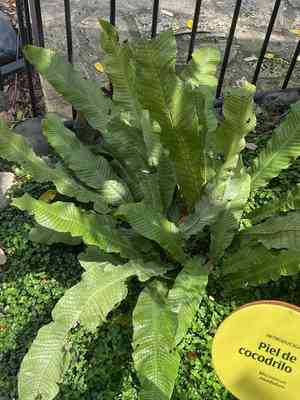
The crocodile fern is recognized for its unique foliage, resembling crocodile skin, which enhances the visual appeal of any area.
2
This plant flourishes in moist environments, making it an ideal choice for placement in bathrooms or cooking spaces.
3
Crocodile fern functions as an organic air cleanser, enhancing the quality of air inside your home.
What Makes Crocodile fern Special?
Distinctive Appearance
A prominent characteristic of the Crocodile fern is its uniquely textured foliage, resembling a crocodile's skin. These leaves not only bring an exotic flair to your indoor garden but also serve as a conversation starter. The leaves are typically a vivid green with a distinct pattern of ridges and veins that captivatingly reflect light.
Adaptive Nature
Crocodile fern readily adapts to various indoor environments. It flourishes in humid conditions, making it an excellent option for areas like bathrooms and kitchens. Its adaptability extends to its tolerance for different light levels, from low to moderate indirect light, making it a versatile addition to homes regardless of natural light availability.
How to Care for Crocodile fern?
Watering Needs
Crocodile fern prefers consistently moist, but not waterlogged, soil. Excessive watering can lead to root rot, so it's crucial to allow the top layer of soil to dry out between waterings. During warmer periods, your plant may require more frequent irrigation, whereas, in cooler months, you can let the soil dry out a bit more.
Optimal Lighting
While Crocodile fern can endure low light conditions, it thrives best in moderate indirect light. Avoid placing it in direct sunlight, as this can scorch its delicate leaves. If natural light is limited, consider using a grow light to ensure your plant receives the necessary illumination for optimal growth.
Benefits of Growing Crocodile fern
Air Purification
Beyond its visual appeal, Crocodile fern is also known for its capacity to purify indoor air. It can absorb pollutants like formaldehyde and xylene, making your home environment healthier and fresher. This makes it an excellent choice for improving indoor air quality, especially in urban settings where air pollution is a concern.
Aesthetic Appeal
Crocodile fern adds a touch of natural beauty to any indoor space. Its unique leaf pattern and vibrant color make it a perfect decorative element. Whether you place it in your living room, kitchen, or bathroom, the plant enhances the aesthetic appeal of your home. Moreover, its relatively compact size means it can fit into various spaces without overwhelming them.
Common Issues and Solutions
Pest Control
Like many indoor plants, Crocodile fern can occasionally attract pests such as spider mites and mealybugs. Regularly inspecting your plant and wiping down its leaves can help prevent infestations. If you notice pests, consider using natural remedies like neem oil or insecticidal soap to eliminate them without harming the plant.
Dealing with Yellow Leaves
Yellow leaves on Crocodile fern can indicate overwatering or poor drainage. Ensure that your plant's pot has drainage holes and that you're allowing the soil to dry out slightly between waterings. If yellowing persists, check the roots for signs of rot and trim away any affected areas before repotting the plant in fresh soil.
Propagation Tips
Division Method
The most effective way to propagate Crocodile fern is through division. During the growing season, carefully remove the plant from its pot and separate the root ball into smaller sections, each with its roots and leaves. Plant these divisions in individual pots with fresh soil, and maintain the same care routine as the parent plant.
Leaf Cuttings
Another method for propagating Crocodile fern is through leaf cuttings. Cut a healthy leaf into sections, ensuring each piece has a vein. Plant these sections in a moist potting mix and cover them with plastic to create a humid environment. Keep the soil moist, and within a few weeks, new roots and shoots should emerge.



