How to Transplant Oregon saxifrage?
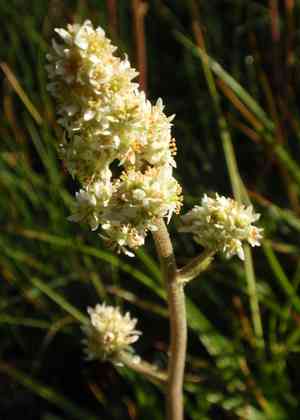
Relocate oregon saxifrage as new growth commences with the arrival of spring, preferably between early morning's warmth and the end of May. Place it in partially shaded areas where the ground offers damp, fertile conditions. Should the root system be intertwined, gently separate them to facilitate a smooth integration with the soil.
What Preparations are Needed Before Transplanting Oregon Saxifrage?
What is the Ideal Time for Transplanting Oregon Saxifrage?
The optimal period for relocating oregon saxifrage spans from the onset of early spring until just before summer. This timing capitalizes on naturally moist soil, fostering strong root development in the cool, yet warming ground. Introducing oregon saxifrage to its new spot during this verdant season allows it to thrive before summer's peak heat, ensuring it's well-established for hotter, drier conditions. A helpful hint: the mild temperatures and ample sunlight of late spring provide oregon saxifrage with ideal conditions for vigorous growth.
How Much Space Should You Leave Between Oregon Saxifrage Plants?
When getting ready to move your oregon saxifrage, allow for a comfortable distance of about 12-15 inches (30-38 cm) between each specimen. This provides your oregon saxifrage sufficient room to grow and expand its beautiful leaves.
What is the Best Soil Mix for Oregon Saxifrage Transplanting?
For your oregon saxifrage, prepare a well-draining soil enriched with some compost for nourishment. Starting with a balanced, slow-release fertilizer will give your oregon saxifrage a beneficial boost as they settle into their new environment.
Where Should You Relocate Your Oregon Saxifrage?
Locate a spot with filtered sunlight for your oregon saxifrage, as they appreciate a blend of light and shadow. This is akin to selecting a preferred lounging area that's neither too bright nor too dim â just right for your green companion.
What Equipments Should You Prepare Before Transplantation Oregon Saxifrage?
Gardening Gloves
To safeguard your hands while handling soil and plants.
Hand Trowel
For excavating small holes and gently removing the plant from its container.
Shovel or Garden Spade
To dig the planting site and extract the plant from the ground.
Watering Can or Hose
For hydrating the plant before and after its relocation.
Pruning Shears
To trim any damaged roots or foliage.
Wheelbarrow or Garden Cart
To transport the plant and soil materials.
Mulch
To aid in retaining soil moisture and regulating soil temperature after transplant.
Plant Support Stakes (if necessary)
To offer stability for the plant in its new position.
How Do You Remove Oregon Saxifrage from the Soil?
How Do You Remove Oregon Saxifrage from the Soil?
From Ground: First, hydrate the oregon saxifrage plant to moisten the earth. Dig a wide trench around the plant using a shovel or spade, ensuring the plant's root ball remains intact. Carefully work the spade beneath the root ball to lift the plant from its original spot.From Pot: Water the oregon saxifrage plant to dampen the soil, facilitating easier removal. Incline the pot on its side and gently tap the edges to loosen the root ball. Carefully slide the plant out of the pot while supporting its base and roots.From Seedling Tray: Water the seedlings to ensure the soil is moist. Use a hand trowel or a specialized transplanting tool to lift the seedling from the tray without harming the roots. Gently separate the roots if they are densely packed.
Step-by-Step Guide for Transplanting Oregon Saxifrage
Preparation
Ready the new planting site, ensuring it's free of weeds and debris. This helps oregon saxifrage plants establish without competing for resources.
Digging Hole
Excavate a hole as deep as the root ball and twice its width. This allows the roots ample room to spread.
Root Inspection
Before planting, examine the root ball. Trim any broken or excessively long roots with pruning shears.
Planting
Position the oregon saxifrage plant in the center of the hole. The top of the root ball should be level with the ground surface. Backfill the hole with soil, gently firming it around the plant's base.
Watering
After planting, thoroughly water the oregon saxifrage to settle the soil and eliminate air pockets.
Mulching
Apply a layer of mulch around the base of oregon saxifrage to conserve moisture and suppress weeds. Keep the mulch a few inches away from the stem to prevent rot.
Staking (if necessary)
Provide support with stakes to hold the plant upright if it appears unstable.
How Do You Care For Oregon Saxifrage After Transplanting?
Regular Watering
Maintain consistent moisture for the oregon saxifrage, especially during the initial growing season to support root development.
Observation
Monitor the oregon saxifrage for signs of stress such as wilting or discolored leaves, which could indicate transplant shock.
Protection
Shield the oregon saxifrage from extreme weather with row covers or shade cloth if necessary.
Stabilization
Ensure that stakes or supports are secure and adjust as the oregon saxifrage grows.
Pruning
Remove any dead or damaged foliage to encourage healthy growth and air circulation.
Troubleshooting Common Issues with Oregon Saxifrage Transplantation.
How do I know when it's best to transplant oregon saxifrage?
Choose a transplant time during the season's ideal period, from early to late spring when the weather is mild.
What's the ideal spacing for transplanting oregon saxifrage?
Ensure each oregon saxifrage has adequate room, spacing them approximately 12-15 inches (30-38 cm) apart.
Can oregon saxifrage be transplanted in hot weather?
Relocate oregon saxifrage in cooler spring conditions; hot weather can stress plants, leading to transplant shock.
Is it necessary to water oregon saxifrage after transplanting?
Absolutely, provide oregon saxifrage with a generous drink post-transplant to help roots settle in their new location.
Should I amend the soil when planting oregon saxifrage?
Yes, enriching the soil with compost will give oregon saxifrage a nutrient boost for better establishment.
How deep should I plant oregon saxifrage?
Plant oregon saxifrage at the same depth it grew in its previous spot; too deep or shallow can be detrimental.
My oregon saxifrage looks wilted after transplant, what should I do?
Don't worry, it's common. Keep the soil moist and provide shade. It should recover with a bit of care.
How do I prepare oregon saxifrage for transplanting?
Water the plant well a day before to hydrate, and gently loosen the roots when removing it from its pot.
What type of light is best for oregon saxifrage after transplanting?
Position oregon saxifrage in a spot with partial to full sun, mimicking its natural habitat for optimal growth.
Can oregon saxifrage be moved if it's already blooming?
Although challenging, it's feasible. Take extra care to minimize root disturbance and provide immediate water and attention.



