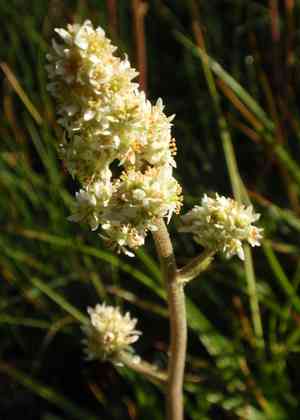
Oregon saxifrage (Micranthes oregana)
Also known as: None
Oregon saxifrage is a perennial herb that naturally grows in mountainous areas of western North America, typically at elevations ranging from 1000 to 2500 meters. It is commonly found in rocky landscapes, along stream banks, and within wet meadows.
In This Article
Attributes of Oregon saxifrage
Lifespan
Perennial
Plant Type
Herb
Plant Height
3.5 m to 8 m
Spread
N/A
Leaf Color
Green
Flower Size
1.3 cm
Flower Color
White
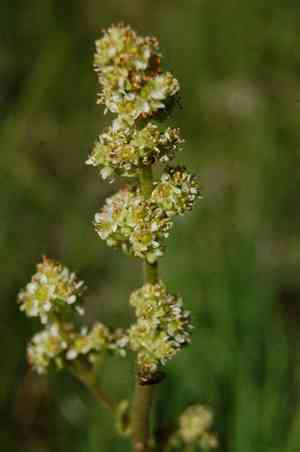
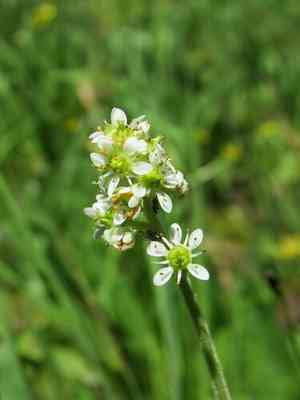
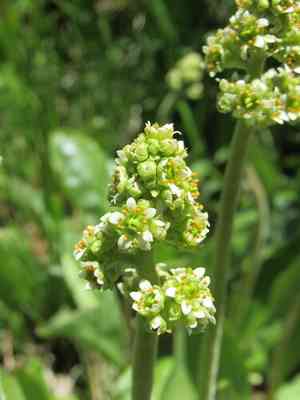
Images of Oregon saxifrage
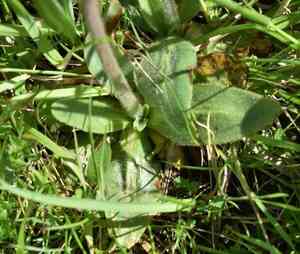
Quickly Identify Oregon saxifrage
1
Micranthes oregana can be identified by its rosettes of ovate to lanceolate basal leaves with serrated edges and its erect inflorescence bearing multiple small, white, star-shaped flowers. Flower stems are typically reddish and glandular-hairy.
Scientific Classification of Oregon saxifrage
Phylum
Vascular plants
Class
Dicotyledons
Order
Saxifragales
Family
Saxifrage
Genus
Micranthes
Species
Oregon saxifrage
Planting and Growing of Oregon saxifrage
Care Difficulty
Easy
Watering Schedule
Every 2 days
Sunlight Requirements
Partial sun
Sunshine Duration
6-10 hours
Ideal Temperature
60-75℉
Soil Type
Potting Mix, Peat Mix
Soil pH
6.5-7.5
Fertilizer Type
Balanced
Pruning Season
Spring, Summer
Pruning Area
Branches, Leaves
Pruning Frequency
2 times a year
Repotting Season
Spring
Pot Type
Plastic, Ceramic
 How to Water Oregon saxifrage?
For Micranthes oregana, the watering amount should ideally be around 250 milliliters per session. Water should be applied slowly and evenly, allowing it to soak through the soil until it drips from the bottom of the pot. This ensures the entire root mass receives moisture without drowning the plant.
What are the symptoms of an underwatered Oregon saxifrage?
›
What should I do if my Oregon saxifrage is not getting enough water?
›
What are the symptoms of an overwatered Oregon saxifrage?
›
How to save an overwatered Oregon saxifrage?
›
 What Are the Sunlight Requirements for Oregon saxifrage?
Micranthes oregana performs best in a partial sun environment, ideally getting 3 to 6 hours of sunlight. This balance promotes vibrant foliage and a blooming cycle while preventing stress.
What is the ideal lighting condition?
›
How to achieve this lighting condition?
›
What benefits does this ideal lighting provide?
›
 What Is the Ideal Temperature Range for Oregon saxifrage?
The ideal temperature range for Micranthes oregana is between 60°F and 75°F. This range ensures the plant's physiological processes, including photosynthesis and growth, are operating efficiently. Maintaining this temperature helps the plant thrive, ensuring robust foliage and flowering. Regular monitoring and adjustments to environmental conditions can help maintain these optimal temperatures.
 What Soil is Best for Oregon saxifrage?
Micranthes oregana thrives in well-draining soil, preventing root rot and ensuring adequate oxygen for healthy root development. This enhances nutrient uptake and promotes vigorous growth. While retaining good drainage, the soil should also hold some moisture. This balance ensures the plant remains hydrated, leading to robust foliage and consistent blooming cycles. The plant prefers soil rich in organic matter, supplying essential nutrients that sustain growth and enhance the overall health and vibrancy of the plant.
 How to Fertilize Oregon saxifrage?
Micranthes oregana, commonly known as Oregon saxifrage, benefits from a balanced application of fertilizer. Use a diluted liquid fertilizer at half the recommended strength to avoid overwhelming the plant's root system. A slow-release fertilizer can be applied sparingly, ensuring a light covering that matches the manufacturer’s guidelines. Both types should be used to meet the nutrient needs without causing harm.
 How to Prune Oregon saxifrage?
Start by sterilizing your pruning shears to prevent any infection. Begin by trimming off any dead or yellowing leaves at the base of the plant. Focus on maintaining the natural shape of your Micranthes oregana by selectively cutting back excessive growth. Ensure you cut above the leaf node to promote bushier growth. Always take care to prune away from the central stem to avoid harming the plant's core structure. If you wish to enhance flowering, prune just after the plant has finished blooming. This step helps the plant redirect its energy towards root and foliage development for the next flowering cycle. Focus on removing spent blooms and damaged stems, but avoid heavy pruning that can stress the plant. Prune strategically to allow light and air to reach the plant's inner sections.
More About Pruning Techniques→
 How to Propagate Oregon saxifrage plant?
1
Fill your seed trays with a mix of peat moss, vermiculite, and perlite to create an ideal growing medium. Moisten the substrate before sowing seeds.
2
Gently press seeds into the prepared trays about 1/8 inch deep. Cover them lightly with the substrate and maintain constant moisture without waterlogging.
3
Carefully dig up mature Micranthes oregana plants. Using a sharp knife, divide the plant at the root clusters ensuring each section has sufficient roots and shoots.
 How to Repot Oregon saxifrage plant?
1
Micranthes oregana exhibits signs signaling the need for repotting when its roots begin to overflow from drainage holes or wrap tightly around the root ball. Additionally, if growth seems stunted or soil dries out rapidly, these are cues indicating repotting is due.
2
Select a pot that is 2–3 inches larger in diameter than the current one to allow for root growth. Ensure the pot has ample drainage holes to prevent waterlogging, which could lead to root rot, thereby promoting healthy plant development.
3
Opt for well-draining loamy soil enriched with organic matter. Such a mix ensures that Micranthes oregana receives adequate moisture without retaining excess water, thus preventing root rot while providing essential nutrients.
Learn More About Oregon saxifrage Diseases
Anthracnose
Bacterial Leaf Spot
Bacterial Soft Rot
Bacterial Wilt
Crown Gall
Cyst Nematode
Damping-off
Downy Mildew
Fusarium Wilt
Gray Mold
Leaf Spot
Mosaic
Powdery Mildew
Root Rot
Root-knot Nematode
Rusts
Sooty Mold
White Mold
Chemical Injury
Drought Stress
Nutrient Deficiency
Nutrient Toxicity
Spider Mites
Temperature Stress
Thrips Damage



