How to Prune Oregon saxifrage?
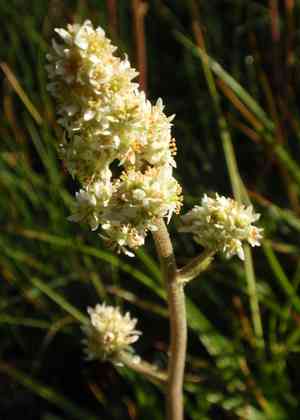
Celebrated for its dense, ground-level leaf arrangements and groupings of white blossoms, oregon saxifrage thrives optimally with limited trimming, primarily to eliminate faded flowers and deceased leaves. The most suitable period for pruning extends from spring into early autumn, which helps maintain a neater look and might stimulate a second flowering. Removing spent blooms after the primary flowering period can encourage a new wave of blossoms and deter unwanted self-propagation. Consistent upkeep trimming sustains the plant's well-being and robustness, thereby boosting its decorative value in the landscape.
What Are the Benefits of Pruning Oregon Saxifrage?
What Are the Benefits of Pruning Oregon Saxifrage?
Trimming oregon saxifrage promotes robust development and maintains its form. It eliminates dead or weak stems, fostering a strong and visually appealing structure, ensuring the plant's energy is directed towards healthy growth.
What Is the Best Time for Pruning Oregon Saxifrage?
What Is the Best Time for Pruning Oregon Saxifrage?
Trimming oregon saxifrage from late spring to early summer, shortly after flowering, offers several advantages. It allows for the removal of spent blossoms, which can encourage a second bloom and prevent the plant from expending resources on seed production. It also provides oregon saxifrage the chance to recover and produce new growth during its active season. Pruning in autumn is not recommended for oregon saxifrage, as cuts might not heal before cold weather arrives, potentially leading to frost damage. This timing aligns with oregon saxifrage's dormancy break, making late spring to early summer a crucial period to shape the plant without disrupting its natural growth cycle and preparation for the next season.
What Tools Do I Need to Prune Oregon Saxifrage?
Bypass Pruners
Oregon saxifrage is a small perennial, so sharp bypass pruners are ideal. These tools create clean cuts that heal quickly, reducing disease risk.
Pruning Snips
For more precise or delicate trimming of oregon saxifrage, pruning snips offer accuracy. They are perfect for deadheading or removing withered leaves without harming nearby stems.
Gardening Gloves
To shield hands from thorns or rough foliage while pruning oregon saxifrage, gardening gloves are essential. They provide grip and minimize potential irritation.
How to Prune Oregon Saxifrage
Cleaning tools
Before beginning, ensure all pruning implements are cleaned and sterilized to prevent disease transmission to oregon saxifrage
Removing diseased leaves
Carefully inspect oregon saxifrage and remove any affected leaves by snipping them at the base of the leaf stem, avoiding damage to the plant's healthy sections
Eliminating withered leaves
Locate withered leaves on oregon saxifrage, which typically appear dry or brown, and clip them off at the base to encourage healthy growth and air circulation
Pruning dead branches
Trim dead branches by making clean cuts just above a node or basal clump, ensuring you don't cut into healthy tissue that could stimulate new growth in oregon saxifrage
Cutting diseased branches
Remove diseased branches from oregon saxifrage by cutting well below the affected area into healthy tissue to prevent disease spread, and dispose of the pruned material properly
Common Pruning Mistakes with Oregon Saxifrage
Over-pruning
Removing too much foliage from oregon saxifrage can stress the plant and hinder its growth. It's crucial to prune sparingly and maintain the plant's natural form.
Pruning healthy growth
Cutting away healthy growth unnecessarily can diminish the plant's vigor. Focus on removing only the damaged or spent parts.
Imprecise cuts
Making jagged or torn cuts can leave oregon saxifrage vulnerable to disease and pests. Use sharp tools to make clean cuts.
Not disinfecting tools
Using tools that haven't been cleaned can introduce pathogens to oregon saxifrage. Disinfect tools before each use to minimize disease spread.
Ignoring plant structure
Failing to consider the natural form of oregon saxifrage during pruning may result in an unbalanced and aesthetically displeasing plant.
Disposing of beneficial material
Completely disposing of all cuttings neglects the potential benefit they could have if composted. Some pruned material can be recycled back into the garden.
Common Pruning Tips for Oregon Saxifrage
Sharp tools
Always use clean, sharp pruning shears or scissors. This ensures precise cuts that heal quickly and reduce the chance of disease.
Selective pruning
Target dead, damaged, or diseased growth when pruning oregon saxifrage. This aids the plant in focusing its energy on producing robust foliage and blooms.
Timing after flowering
Since season-specific instructions are excluded, remember that pruning should generally be timed to minimize disruption of blooming and growth cycles.
Encouraging new growth
Light pruning of oregon saxifrage can stimulate new growth. Trim just above a leaf node or set of leaves to promote branching.
Preserving plant shape
Maintain oregon saxifrage's aesthetic by following its natural shape during pruning. Avoid creating an unnatural appearance unless shaping for a specific design.
Clean up
After pruning oregon saxifrage, remove all fallen debris from the soil surface to prevent any fungal diseases from taking hold.



