How to Transplant California saxifrage?
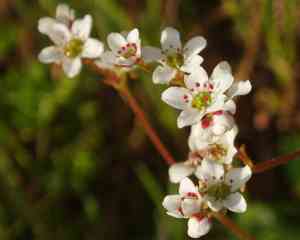
California saxifrage flourishes when relocated from the beginning to the end of spring, benefiting from prime soil hydration and moderate warmth. The best sites for transplanting are spots with partial shade and fertile, well-aerated soil.
What Preparations are Needed Before Transplanting California Saxifrage?
What is the Ideal Time for Transplanting California Saxifrage?
The best time to move california saxifrage, a perennial, is from early spring through late spring. This period allows california saxifrage to develop its root system before the summer's intense heat. Relocating during these months maximizes growth potential and ensures a healthier, more robust plant.
How Much Space Should You Leave Between California Saxifrage Plants?
When relocating california saxifrage, ensure each plant is spaced 12-15 inches (30-38 cm) apart. This provides ample room for them to grow and thrive without becoming overcrowded.
What is the Best Soil Mix for California Saxifrage Transplanting?
For california saxifrage, prepare well-draining soil enriched with organic compost. This plant flourishes in slightly acidic to neutral soil, so aim for a pH of 6.0-7.0. Incorporate a slow-release base fertilizer to encourage vigorous growth.
Where Should You Relocate Your California Saxifrage?
California saxifrage prefers a spot with partial to full sunlight. Select a garden location that receives at least 4-6 hours of daily sunlight, but also offers some shade during the hottest part of the day.
What Equipments Should You Prepare Before Transplantation California Saxifrage?
Gardening Gloves
To shield your hands while handling soil and the plant.
Hand Trowel
For digging and preparing the planting hole.
Shovel or Spade
Useful for extracting the plant from its original spot.
Watering Can/Hose
To hydrate the plant before and after relocation.
Mulch
Helps maintain moisture and regulate soil temperature around the plant.
Stakes and Ties
To offer support to the plant if necessary post-transplanting.
How Do You Remove California Saxifrage from the Soil?
How Do You Remove California Saxifrage from the Soil?
From Ground: First, moisten the california saxifrage plant to dampen the soil. Then, dig a wide trench around the plant using a shovel or spade, ensuring the plant's root ball remains intact. Carefully work the spade beneath the root ball to lift the plant from its initial position.From Pot: Gently water the california saxifrage plant to help loosen the soil. Invert the pot, carefully holding the plant's base, and gently tap the bottom of the pot to release the root ball. If the plant is stuck, use a hand trowel to loosen the soil around the pot's edges.From Seedling Tray: Lightly water the seedling tray to facilitate removal. Use a small tool, such as a spoon or the edge of a hand trowel, to gently lift the california saxifrage seedling by its base, taking care not to harm the delicate roots.
Step-by-Step Guide for Transplanting California Saxifrage
Site Preparation
Clear the transplant site of any weeds and debris. Ensure the soil drains well and amend it with compost if necessary.
Digging the Hole
Excavate a hole that is twice as wide and as deep as the california saxifrage's root ball to allow ample space for root expansion.
Placing the Plant
Carefully position the california saxifrage into the hole, making sure the top of the root ball is level with the surrounding soil surface. Backfill the hole with soil and gently press down to eliminate air pockets.
Watering
Thoroughly water the california saxifrage immediately after planting to help settle the soil around its roots.
Staking (if necessary)
If the california saxifrage plant is tall or spindly, use stakes and ties to provide support and prevent it from being dislodged by wind.
How Do You Care For California Saxifrage After Transplanting?
Watering
Keep the soil around the california saxifrage consistently moist, but not waterlogged, for the initial few weeks post-transplant to aid in strong root establishment.
Mulching
Apply a layer of mulch around the base of the california saxifrage to retain moisture and inhibit weed growth.
Monitoring
Regularly inspect the california saxifrage for signs of stress (such as wilting or yellowing leaves) and adjust care as needed. Watch out for pests and diseases.
Fertilizing
Once the california saxifrage is established, consider applying a balanced fertilizer to promote vigorous growth.
Troubleshooting Common Issues with California Saxifrage Transplantation.
When is the best time to transplant california saxifrage?
The optimal period is from early spring to late spring when temperatures are mild.
How should I prepare the soil for transplanting california saxifrage?
Ensure well-draining soil enriched with compost to provide nutrients and prevent waterlogging.
What spacing should I maintain between california saxifrage plants?
Keep plants 12-15 inches (30-38 cm) apart for proper air circulation and growth.
How do I prevent transplant shock in california saxifrage plants?
Water the plant thoroughly before and after transplanting to reduce stress and aid establishment.
Should I prune california saxifrage before transplanting?
Prune any damaged or dead foliage to help the plant focus energy on new growth.
What size hole should I dig for transplanting california saxifrage?
Dig a hole twice the width and the same depth as the root ball of the plant.
How do I protect california saxifrage from pests after transplanting?
Use natural barriers like mulch and organic insect repellents to safeguard young plants from pests.
How often should california saxifrage be watered after transplanting?
Water regularly to keep the soil consistently moist but not waterlogged for the first few weeks.
What temperature is ideal for transplanting california saxifrage?
Transplant when temperatures are between 60-70°F (15-21°C) for optimal root establishment.
How can I ensure good root development for california saxifrage after transplanting?
Incorporate organic matter into the soil and ensure consistent, deep watering to promote robust roots.



