How to Prune California saxifrage?
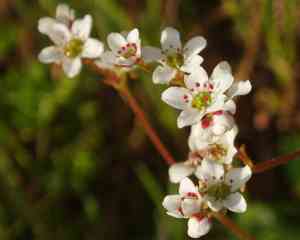
California saxifrage is a perennial plant recognized for its appealing rosettes and fragile white blossoms. Trim california saxifrage during the initial part of spring or the latter portion of winter to foster compact development and eliminate deceased or compromised leaves. Concentrate on severing faded flower stems and reducing congested sections to boost air movement. Consistent trimming improves the plant's general well-being and vigor, aiding in disease prevention and encouraging abundant, robust growth.
What Are the Benefits of Pruning California Saxifrage?
What Are the Benefits of Pruning California Saxifrage?
California saxifrage thrives with trimming, which encourages robust development and helps keep an attractive form. Regular trimming improves air circulation, lowering disease risk and fostering healthier leaves. Removing faded blooms also promotes continuous flowering.
What Is the Best Time for Pruning California Saxifrage?
What Is the Best Time for Pruning California Saxifrage?
Trimming california saxifrage in early spring or late winter is optimal for several reasons. During these times, california saxifrage is typically dormant or in a less active growth phase, minimizing plant stress and potential harm. Pruning then allows for better shaping and removes any dead or damaged growth before the active growing season. Additionally, early trimming encourages more vigorous growth and better flowering once the weather warms. Pruning in late winter helps prevent the spread of diseases that may have settled in during fall and avoids removing new growth that could hinder the plant's overall development.
What Tools Do I Need to Prune California Saxifrage?
Bypass Pruners
These are crucial for making clean cuts on living stems and branches. Bypass pruners are perfect for california saxifrage due to its typically small and delicate stems.
Precision Scissors
Ideal for detailed trimming tasks, especially for the finer, more fragile parts of california saxifrage, such as deadheading spent flowers and removing smaller dead or diseased growth.
Small Pruning Saw
Useful for cutting any thicker stems that might occasionally need trimming, ensuring smooth, clean cuts to prevent damage.
Sanitizing Solution
It's important to regularly disinfect tools when pruning california saxifrage to prevent the spread of diseases. A simple solution of 70% isopropyl alcohol works well.
How to Prune California Saxifrage
Identify areas
Examine california saxifrage thoroughly to pinpoint and locate the diseased and withered leaves that require trimming. Ensure you can clearly distinguish these parts from the healthy foliage.
Prepare tools
Use sterilized pruning shears or scissors to prevent spreading infections. Cleaning tools before and after use is vital for maintaining plant health.
Prune diseased leaves
Carefully remove the diseased leaves by cutting them close to the base of the leaf stem. Make clean cuts to promote quick healing and reduce the risk of further infection.
Prune withered leaves
Trim withered leaves by cutting them back to the healthy part of the plant. If the entire leaf is withered, remove it completely at the leaf stem.
Dispose debris
Properly dispose of the trimmed diseased and withered leaves. Avoid composting these parts if they show signs of infection to prevent the spread of disease.
Common Pruning Mistakes with California Saxifrage
Over-pruning
Cutting back too much of california saxifrage's foliage can stress the plant, leading to poor growth and reduced flowering. It is essential to avoid removing more than a third of the plant at any one time.
Improper cuts
Using dull or incorrect tools can create jagged cuts that do not heal properly, inviting disease and pests. Additionally, cutting too close to the main stem or too far away can damage the plant.
Incorrect angle
Making cuts at improper angles can hinder healing and promote water accumulation on the cuts, which can lead to rot and disease. Always ensure cuts are made at a 45-degree angle.
Neglecting to deadhead
Failing to remove spent flowers can lead to energy being diverted towards seed production instead of new growth and flowering.
Pruning during stressful periods
Pruning when california saxifrage is under stress from drought, heat, or disease can further weaken the plant.
Common Pruning Tips for California Saxifrage
Use sharp, clean tools
Always use sharp, sterilized pruning shears or scissors to make clean cuts and prevent the spread of disease.
Make precise cuts
Cut at a 45-degree angle away from the bud to promote healthy new growth and prevent water accumulation on the cut surface.
Deadhead regularly
Regularly remove spent flowers to encourage california saxifrage to produce more blooms and maintain an attractive appearance.
Prune lightly
Limit pruning to removing dead, damaged, or diseased parts and any unsightly growth to maintain california saxifrage's health and shape without causing undue stress.
Monitor plant health
Continuously monitor the health of california saxifrage and prune immediately if you notice any signs of disease, insect infestation, or damaged foliage to prevent further issues.



