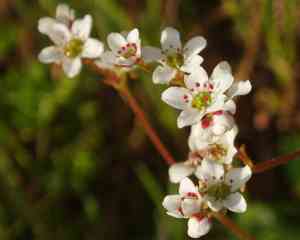
California saxifrage (Micranthes californica)
Also known as: California saxifrage
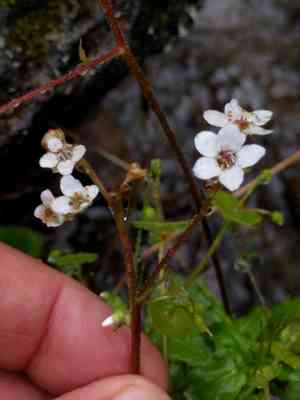
Micranthes californica, commonly known as California saxifrage, is found in a wide range of habitats throughout California, southern Oregon, and northern Baja California. The plant features a compact basal rosette of thick, toothed oval leaves that can grow up to 10 cm in length. Its flowers consist of 5 green to reddish sepals, 5 small white petals, and a central cluster of 10 stamens.
In This Article
Attributes of California saxifrage
Lifespan
Perennial
Plant Type
Herb
Plant Height
10-25 cm
Spread
N/A
Leaf Color
Green
Flower Size
1-2 cm
Flower Color
White to pink
Images of California saxifrage
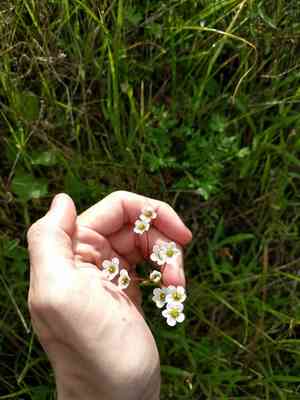
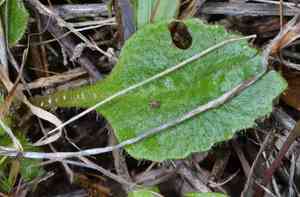
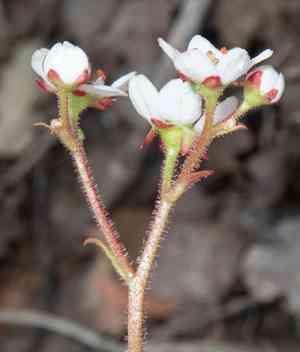
Quickly Identify California saxifrage
1
Micranthes californica can be identified by its basal rosette of leaves which are rounded with serrated edges. Its delicate white to pink flowers are borne on a slender, erect stem, typically blooming in late spring to early summer.
Scientific Classification of California saxifrage
Phylum
Vascular plants
Class
Dicotyledons
Order
Saxifragales
Family
Saxifrage
Genus
Micranthes
Species
California saxifrage
Planting and Growing of California saxifrage
Care Difficulty
Easy
Watering Schedule
Every 3 days
Sunlight Requirements
Partial sun
Sunshine Duration
4-6 hours
Ideal Temperature
60-75℉
Soil Type
Potting Mix, Peat Mix
Soil pH
6.5-7.5
Fertilizer Type
Balanced
Pruning Season
Spring, Summer
Pruning Area
Branches, Leaves
Pruning Frequency
Once a year
Repotting Season
Spring
Pot Type
Plastic, Terracotta
 How to Water California saxifrage?
For Micranthes californica, the watering amount should aim to thoroughly moisten the soil without it becoming waterlogged. Water until you see it starting to drain from the bottom of the pot, ensuring the entire root system is hydrated. Generally, 500 milliliters per watering should be appropriate, assuming the soil is moderately dense and the plant is housed in a standard-sized pot.
What are the symptoms of an underwatered California saxifrage?
›
What should I do if my California saxifrage is not getting enough water?
›
What are the symptoms of an overwatered California saxifrage?
›
How to save an overwatered California saxifrage?
›
 What Are the Sunlight Requirements for California saxifrage?
Partial sun conditions are most suitable. Ideal light conditions encourage optimal flowering and foliage density, crucial for the plant's ecological role and aesthetics.
What is the best lighting condition for Micranthes californica?
›
How can you achieve ideal lighting conditions for Micranthes californica?
›
What are the benefits of obtaining ideal lighting for Micranthes californica?
›
 What Is the Ideal Temperature Range for California saxifrage?
The ideal temperature range for Micranthes californica is between 60°F and 75°F. Maintaining temperatures within this range ensures optimal growth and health, allowing the plant to efficiently carry out photosynthesis and other metabolic processes. This range mimics the moderate climates of its native habitats, providing a balanced environment that is neither too hot nor too cold.
 What Soil is Best for California saxifrage?
Micranthes californica thrives in well-drained soils, helping to prevent root rot and other moisture-related problems. This kind of soil ensures that the plant gets the required oxygen at the roots level. The plant prefers moderately fertile soils that offer balanced nutrients for optimal growth. Such soils supply essential nutrients that promote healthy growth and vibrant flowering. While drainage is crucial, Micranthes californica also benefits from soil that retains enough moisture to support consistent hydration, preventing wilting in hot weather.
 How to Fertilize California saxifrage?
For Micranthes californica, use a balanced liquid fertilizer at half the recommended strength to avoid overfeeding. Apply the liquid fertilizer once every two weeks during the growing season. Solid fertilizers should be applied sparingly, as over-fertilization can harm the plant.
 How to Prune California saxifrage?
Before you begin pruning Micranthes californica, gather essential tools such as clean, sharp pruning shears or scissors. Ensure your tools are sterilized to prevent disease transmission. Start by examining the plant to identify dried or damaged leaves and stems that need removal. Begin by removing any dead or yellowing leaves near the base of the plant, cutting them at their origin. Next, trim back the stems gently to shape the plant and to improve air circulation. Be cautious not to cut too much at once, as it might stress the plant. Focus on maintaining an aesthetically pleasing shape.
More About Pruning Techniques→
 How to Propagate California saxifrage plant?
1
Start by preparing a well-draining soil mix in pots or trays. Ensure the soil is slightly moist and free of large debris to provide a warm and welcoming environment for seeds or divisions.
2
Sow seeds individually in separate pots or in compartments of a seedling tray. Lightly cover them with soil and ensure consistent moisture, using a spray bottle to avoid over-watering.
3
For division, carefully dig out the plant and shake off excess soil. Use a sharp knife to divide the rootball into smaller sections, ensuring each has roots and shoots. Plant them in new pots with fresh soil.
 How to Repot California saxifrage plant?
1
Repot Micranthes californica when you observe roots emerging from the drainage holes or when the plant looks stunted despite adequate care. Another sign is when the soil no longer retains moisture as it used to. These are key indicators that your plant needs more space and fresh soil. The ideal time to repot is in the spring when the plant is actively growing, which helps it to establish itself in the new pot.
2
Choose a pot that is slightly larger than the current one, ensuring it has drainage holes to prevent waterlogging. A pot that is one size larger gives the roots ample space to grow and helps maintain proper airflow. Additionally, use pots made from breathable materials like terracotta to assist with moisture management, which is crucial for this plant's health.
3
Opt for a well-draining loamy mix that retains moisture but allows excess water to escape. This type of soil prevents root rot and ensures adequate aeration for the roots. Amend the soil with organic matter to improve its texture and nutrient content, promoting healthy plant growth and fortifying against potential disease issues.
Learn More About California saxifrage Diseases
Anthracnose
Bacterial Leaf Spot
Bacterial Soft Rot
Bacterial Wilt
Black Spot
Chemical Injury
Crown Gall
Cyst Nematode
Damping-off
Downy Mildew
Drought Stress
Fusarium Wilt
Gray Mold
Leaf Curl
Leaf Spot
Mosaic
Nutrient Deficiency
Nutrient Toxicity
Powdery Mildew
Root Rot
Root-knot Nematode
Rusts
Sooty Mold
Spider Mites
Temperature Stress
Thrips Damage
White Mold



