How to Transplant Annual yellow sweet clover?
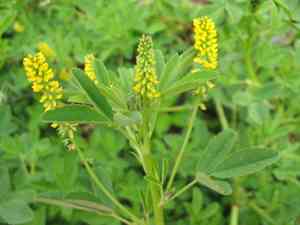
Move annual yellow sweet clover in springtime, when moderate temperatures aid root development. Select sunny, adequately draining locations. Gradually introduce young plants to external environments before transplanting them to their permanent spot.
What Preparations are Needed Before Transplanting Annual Yellow Sweet Clover?
What is the Ideal Time for Transplanting Annual Yellow Sweet Clover?
The optimal period for relocating annual yellow sweet clover is during spring's awakening, when moderate temperatures and extended daylight hours create prime conditions for development. Moving annual yellow sweet clover in spring aligns with its natural growth cycle and enables young plants to develop strong root systems before summer's heat. This timing also benefits from spring rains, which help annual yellow sweet clover settle into its new spot, promoting greater plant vitality and increased chances of thriving.
How Much Space Should You Leave Between Annual Yellow Sweet Clover Plants?
Before moving annual yellow sweet clover, begin by measuring and marking your garden area to ensure proper plant spacing. Aim for 2-3 feet (60-90cm) between each plant. This provides ample room for growth without overcrowding.
What is the Best Soil Mix for Annual Yellow Sweet Clover Transplanting?
Soil preparation for annual yellow sweet clover is vital. Choose soil that drains well. Before planting, mix a general-purpose garden fertilizer into the soil. This will supply the necessary nutrients for annual yellow sweet clover to flourish.
Where Should You Relocate Your Annual Yellow Sweet Clover?
To select the most suitable location for annual yellow sweet clover, consider its light requirements. Annual yellow sweet clover thrives in sunlight, so choose a spot that receives full sun, or at least 6 hours of direct light daily. An open area is best for this plant.
What Equipments Should You Prepare Before Transplantation Annual Yellow Sweet Clover?
Gardening Gloves
To safeguard your hands while handling soil and annual yellow sweet clover.
Shovel or Spade
Essential for carefully extracting annual yellow sweet clover from its original spot without causing damage.
Trowel
To create a planting hole that matches the size of the annual yellow sweet clover's rootball.
Garden Hose or Water Can
Needed for watering annual yellow sweet clover before and after its relocation.
Mulch
Helps retain soil moisture and suppress weed growth.
Supports (like trellis or stake, if needed)
To provide stability for annual yellow sweet clover if it tends to lean.
How Do You Remove Annual Yellow Sweet Clover from the Soil?
How Do You Remove Annual Yellow Sweet Clover from the Soil?
From Ground: First, don gardening gloves and loosen the soil around the annual yellow sweet clover plant. Use a shovel or spade to gently dig around annual yellow sweet clover, being careful not to damage the root ball. Once you've encircled the plant, carefully slide the spade beneath the root ball and steadily lift annual yellow sweet clover. It should come out of the ground with its root ball intact.From Pot: Start by thoroughly watering your annual yellow sweet clover and ensuring drainage before you begin. Lay the pot on its side, and gently pull annual yellow sweet clover by holding its base. If it's stubborn, tap all around the pot or gently roll it on the ground. The plant should slide out, again with the root ball intact.From Seedling Tray: Ensure annual yellow sweet clover is watered beforehand. Using a trowel, carefully lift each annual yellow sweet clover from its cell or tray without harming the delicate roots. Maintain a firm grip on the root ball for as long as possible.
Step-by-Step Guide for Transplanting Annual Yellow Sweet Clover
Prepare New Location
Begin by preparing your new site. Dig a hole that is twice as wide and as deep as the root ball of your annual yellow sweet clover using your trowel. Ensure your chosen spot isn't prone to waterlogging, which can lead to root rot.
Planting
Position your annual yellow sweet clover in the hole so that the top of the root ball is level with the surrounding soil. Avoid planting it too deeply. Backfill the hole with the excavated soil, gently firming it around the base of annual yellow sweet clover.
Water Generously
Now, thoroughly water your newly transplanted annual yellow sweet clover using a garden hose or watering can, making sure the water reaches the root zone.
Mulching
Apply a layer of mulch around annual yellow sweet clover to help retain soil moisture and deter weeds. Avoid piling it too close to the plant stems.
Support (If needed)
If your annual yellow sweet clover plant is a tall or vining type, install a stake, trellis, or other support and lightly secure annual yellow sweet clover to it.
How Do You Care For Annual Yellow Sweet Clover After Transplanting?
Watering
Ensure the soil around annual yellow sweet clover remains moderately moist for several weeks after transplanting. This aids annual yellow sweet clover in establishing strong roots. Prevent overwatering to avoid root rot.
Pruning
It's advisable to trim off any dead or damaged parts of annual yellow sweet clover after transplanting to redirect the plant's energy towards root establishment.
Checking Support
If you've used a stake or trellis for your annual yellow sweet clover, ensure they remain stable and secure your plant as it grows.
Weed Control
Regularly check for any weed growth around annual yellow sweet clover, remembering to remove them gently to avoid harming the new roots.
Monitor Health
Observe annual yellow sweet clover's progress consistently. If the plant shows signs of wilting or discoloration, corrective actions may be needed, such as adjusting watering or checking for pests and diseases.
Troubleshooting Common Issues with Annual Yellow Sweet Clover Transplantation.
When is the best time to transplant annual yellow sweet clover?
The most opportune time to transplant annual yellow sweet clover is during the early to mid-season (S1-S3). This allows ample time for it to grow and establish before the cold season arrives.
What's the correct space to keep between annual yellow sweet clover while transplanting?
Ensure adequate spacing per plant, ideally 2-3 feet (60-90 cm) apart. This is crucial for annual yellow sweet clover to achieve full and robust growth.
Why are my transplanted annual yellow sweet clover looking wilted?
Annual yellow sweet clover may wilt due to transplant shock, a common issue when plants are moved. To aid recovery, water consistently and keep the plant in a partially shaded area until new growth appears.
What is the ideal soil condition for transplanting annual yellow sweet clover?
Annual yellow sweet clover prefers well-drained soil with a neutral to slightly alkaline pH. Also, remember to enrich the soil with compost or manure before transplanting for improved growth.
What kind of lighting condition does annual yellow sweet clover prefer after transplanting?
Annual yellow sweet clover thrives in full sun to partial shade. After transplanting, ensure your plant receives about 6-8 hours of sunlight daily for optimal development.
How much should I water annual yellow sweet clover after transplanting it?
Annual yellow sweet clover appreciates consistent soil moisture. After transplanting, water the plant thoroughly. Continue with frequent watering until the plant shows signs of new growth, then return to its regular watering schedule.
Is mulching recommended after transplanting annual yellow sweet clover?
Yes, mulching can be very beneficial. It helps conserve moisture, regulate soil temperature, and protect the plant's roots. Applying 2-4 inches (5-10 cm) of organic mulch around annual yellow sweet clover is advised.
When will I start seeing flowers on my transplanted annual yellow sweet clover?
Annual yellow sweet clover typically blooms from the second season after planting. Be patient and provide proper care, and your plant will adorn your garden with beautiful flowers.
Why haven't my annual yellow sweet clover plants grown despite transplanting during S1-S3?
If your annual yellow sweet clover isn't flourishing, examine the soil conditions, watering routines, and sunlight exposure. Take corrective action if anything is found to be insufficient or excessive.
Can annual yellow sweet clover handle frost after transplantation?
Annual yellow sweet clover plants are annuals, making them susceptible to frost. Protect newly transplanted annual yellow sweet clover from cold nights and frost to ensure its survival and development.



