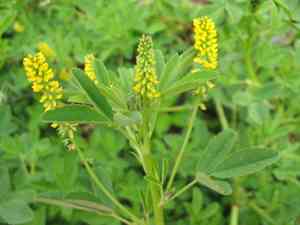
The Hidden Danger in Your Home? Unmasking the Toxicity of the Annual yellow sweet clover Plant.
1
All components of annual yellow sweet clover are poisonous to felines and canines.
2
Prompt veterinary attention is essential if any portion of annual yellow sweet clover is consumed.
3
Signs in animals encompass throwing up, loose stools, sluggishness, and labored breathing following the consumption of annual yellow sweet clover.
Is Annual yellow sweet clover toxic to cat?
Annual yellow sweet clover has a moderate toxicity level for felines, with danger arising when plant parts are consumed. All components of annual yellow sweet clover are toxic, meaning cats are at risk regardless of the ingested portion. Exposure can result in signs of physical discomfort in affected cats. Cat owners must closely observe their pets and seek immediate veterinary attention if they suspect their cat has eaten any part of annual yellow sweet clover, as quick treatment is vital.
Is Annual yellow sweet clover toxic to dog?
The plant species annual yellow sweet clover presents a moderate toxicity hazard to canines. When dogs consume any portion of this plant, they face a poisoning risk due to its inherent toxic properties. The typical way dogs can be poisoned is by ingesting plant parts, which might happen if they access areas where annual yellow sweet clover grows or if plant remnants are introduced into their surroundings. Symptoms that may appear in dogs after consuming annual yellow sweet clover include digestive upset, such as vomiting and diarrhea, along with more serious indicators like lethargy, labored breathing, and heart rate alterations. It is vital for dog owners to supervise their pets closely and restrict access to this plant. Should a dog ingest annual yellow sweet clover, it is crucial to obtain immediate veterinary care to ensure the best possible outcome for the affected animal.



