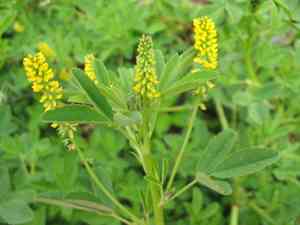
Annual yellow sweet clover (Melilotus indicus)
Also known as: King island clover, Hexham scent, Common melilot, Bokhara clover, Sour clover, Indian sweet clover
Annual yellow sweet clover (Melilotus indicus) is a herbaceous plant native to Asia, Europe, and northern Africa. Typically, it reaches a height of 10 to 50 cm. Known for its nitrogen-fixing ability, it is often utilized to enhance soil fertility. While it has become invasive in the United States, it remains a valuable nectar source for bees.
Attributes of Annual yellow sweet clover
Images of Annual yellow sweet clover
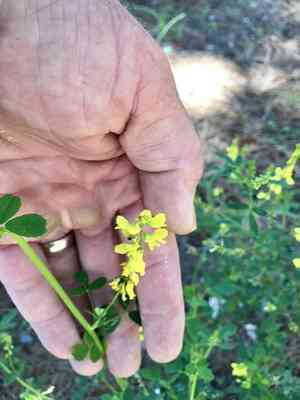
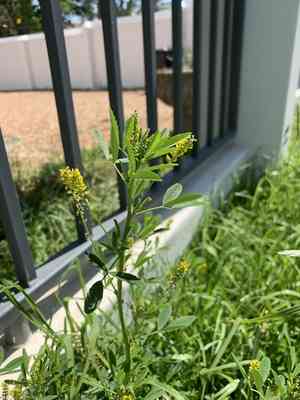
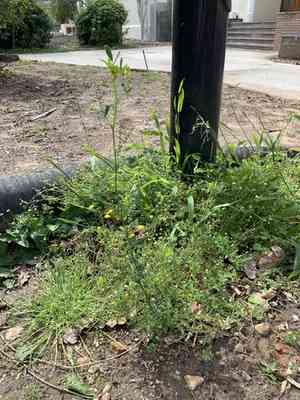
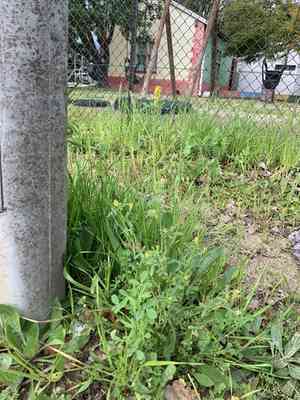
Quickly Identify Annual yellow sweet clover
Scientific Classification of Annual yellow sweet clover
Planting and Growing of Annual yellow sweet clover
 How to Water Annual yellow sweet clover?
 What Are the Sunlight Requirements for Annual yellow sweet clover?
 What Is the Ideal Temperature Range for Annual yellow sweet clover?
 What Soil is Best for Annual yellow sweet clover?
 How to Fertilize Annual yellow sweet clover?
 How to Prune Annual yellow sweet clover?
 How to Propagate Annual yellow sweet clover plant?
 How to Repot Annual yellow sweet clover plant?
Toxicity of Annual yellow sweet clover
Is Annual yellow sweet clover toxic to cat?
The annual yellow sweet clover exhibits a moderate level of toxicity to felines, with the threat arising when various parts of the plant are ingested. All components of the annual yellow sweet clover are toxic, indicating that cats face potential hazards no matter which part they consume. Exposure to this plant may result in observable signs of physical distress in affected cats. Therefore, it is crucial for cat owners to keep a vigilant eye on their pets and to seek prompt veterinary assistance if they suspect their cat has ingested any portion of the annual yellow sweet clover, as swift intervention is vital.
Is Annual yellow sweet clover toxic to dog?
The annual yellow sweet clover plant species presents a moderate level of toxicity risk for dogs. Should dogs consume any portion of this plant, they face the possibility of poisoning due to its inherently toxic properties. The primary means by which dogs may experience poisoning is by ingesting parts of the plant, which could happen if they venture into areas where annual yellow sweet clover flourishes or if any remnants of the plant find their way into their surroundings. After ingesting annual yellow sweet clover, dogs may exhibit symptoms such as gastrointestinal distress, including vomiting and diarrhea. More alarming signs may also manifest, such as lethargy, respiratory difficulties, and irregular heart rates. It is imperative for dog owners to keep a vigilant eye on their pets and restrict their access to this plant. If a dog does consume annual yellow sweet clover, it is essential to obtain prompt veterinary assistance to ensure the best possible outcome for the animal in distress.



