How to Transplant Torrey's melicgrass?
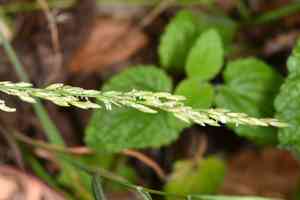
Torrey's melicgrass flourishes most effectively when relocated during the mild, consistent period after the final frost, typically from late spring through mid-summer. Select a site receiving full sun or partial shade, featuring soil that drains efficiently, to encourage peak development.
What Preparations are Needed Before Transplanting Torrey's Melicgrass?
What is the Ideal Time for Transplanting Torrey's Melicgrass?
The best period for relocating torrey's melicgrass, a perennial, is from late spring to early summer. During this timeframe, ground temperatures are sufficiently warm to encourage root establishment, while cooler air temperatures minimize the stress of relocation. Moving torrey's melicgrass at this point promotes vigorous development and ensures the plant is firmly rooted before the hotter conditions of midsummer arrive.
How Much Space Should You Leave Between Torrey's Melicgrass Plants?
When moving torrey's melicgrass, ensure a spacing of 12-18 inches (30-45 cm) between them. This provides ample room for each plant to grow without competing for essential nutrients and sunlight. Proper spacing also supports robust root development.
What is the Best Soil Mix for Torrey's Melicgrass Transplanting?
For torrey's melicgrass, utilize well-draining soil composed of loam and sand. Incorporating a foundational fertilizer with a balanced 10-10-10 NPK ratio can aid in the plant's establishment. Ensure the soil is loose to facilitate comfortable root expansion.
Where Should You Relocate Your Torrey's Melicgrass?
Torrey's melicgrass flourishes in conditions ranging from partial to full sun. Select a site that receives a minimum of 4-6 hours of sunlight daily. Adequate sunlight guarantees vigorous plant growth and vibrant foliage. Avoid areas that are completely shaded.
What Equipments Should You Prepare Before Transplantation Torrey's Melicgrass?
Gardening Gloves
To safeguard your hands while handling soil and plants.
Trowel
For excavating small holes and loosening the plant's root mass.
Shovel or Spade
For digging larger trenches and holes.
Watering Can or Hose
For hydrating the plant before and after its relocation.
Rooting Hormone (optional)
To stimulate root growth and lessen transplant shock.
Mulch
To help retain moisture and inhibit weed growth around the newly transplanted torrey's melicgrass.
How Do You Remove Torrey's Melicgrass from the Soil?
How Do You Remove Torrey's Melicgrass from the Soil?
From Ground: First, hydrate the torrey's melicgrass plant to moisten the soil. Next, excavate a wide trench around the plant using a shovel or spade, making sure the plant's root ball remains intact. Carefully work the spade beneath the root ball to lift the plant from its original spot.From Pot: Begin by gently tilting the pot sideways and carefully tapping its sides to loosen the soil. Grasp the base of the torrey's melicgrass plant near the soil surface and carefully slide the plant out of the pot, taking care not to harm the roots.From Seedling Tray: Use a trowel or your hands to gently loosen the soil surrounding the seedling. Carefully lift the seedling from the tray by its leaves or the stem's base, ensuring the roots remain undamaged and undisturbed.
Step-by-Step Guide for Transplanting Torrey's Melicgrass
Preparation
Prior to transplanting, thoroughly water the torrey's melicgrass plant to ensure it is well-hydrated. This step helps the roots endure the stress of relocation.
Digging the Hole
Excavate a hole in the new location that is twice as wide and as deep as the torrey's melicgrass plant's root ball. This allows the roots to spread out more easily.
Placing the Plant
Gently position the torrey's melicgrass plant into the hole, ensuring it is at the same depth as it was in its initial spot. The top of the root ball should be level with the surrounding ground.
Backfilling
Carefully refill the hole with the excavated soil, gently pressing it around the torrey's melicgrass plant's root ball to eliminate air pockets. Be cautious not to over-compact the soil.
Watering
Immediately water the torrey's melicgrass plant generously to help settle the soil and provide moisture to the roots. Use a watering can or hose to thoroughly drench the area around the plant.
Mulching
Apply a layer of mulch around the base of the torrey's melicgrass plant to retain moisture, regulate soil temperature, and inhibit weed growth. Keep the mulch a few inches away from the stem to prevent rot.
How Do You Care For Torrey's Melicgrass After Transplanting?
Watering
Maintain consistent moisture in the soil around the torrey's melicgrass, avoiding sogginess, for the initial weeks post-transplant to aid in strong root establishment.
Monitoring
Regularly inspect the torrey's melicgrass plant for indications of transplant shock, such as wilting or yellowing leaves. If necessary, provide additional support with stakes or shade cloth.
Pruning
Remove any damaged or dead foliage to lessen stress on the torrey's melicgrass plant and encourage new growth.
Observation
Observe the torrey's melicgrass plant's development and adjust care as needed, ensuring it has the best opportunity to thrive in its new environment.
Troubleshooting Common Issues with Torrey's Melicgrass Transplantation.
When is the best time to transplant torrey's melicgrass?
The optimal period to relocate torrey's melicgrass is during late spring to mid-summer for superior outcomes.
How far apart should I space torrey's melicgrass plants?
Space torrey's melicgrass plants 12-18 inches (30-45 cm) apart to ensure robust development.
Why is my transplanted torrey's melicgrass wilting?
Wilting may stem from transplant shock. Ensure adequate watering and initial protection from direct sun.
How much water does torrey's melicgrass need after transplanting?
Water torrey's melicgrass thoroughly post-transplant and keep the soil consistently moist for several weeks.
What type of soil is best for torrey's melicgrass?
Torrey's melicgrass thrives in well-draining, sandy or loamy soil for optimal growth and vitality.
Can I transplant torrey's melicgrass during the fall?
Relocating torrey's melicgrass in autumn is not advised. Adhere to late spring to mid-summer.
How deep should I plant torrey's melicgrass during transplanting?
Plant torrey's melicgrass at the same depth as it was in its original container to ensure its survival.
How do I prevent root damage when transplanting torrey's melicgrass?
Gently loosen the roots and avoid excessive handling to prevent root damage during relocation.
What should I do if torrey's melicgrass shows signs of stress after transplanting?
Provide shade, ensure sufficient watering, and check for pests if torrey's melicgrass exhibits stress symptoms.
How can I improve torrey's melicgrass's chance of successful transplanting?
Incorporate compost or organic matter into the soil, water thoroughly, and select an appropriate location.



