How to Prune Torrey's melicgrass?
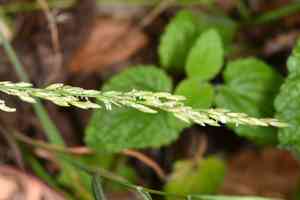
Torrey's melicgrass, a perennial grass, is valued for its delicate texture and elegant appearance. Trim torrey's melicgrass during early spring or winter to eliminate deceased or compromised stalks and stimulate strong new development. Concentrate on severing aged foliage close to the soil surface to foster more robust, thriving specimens. Consistent trimming enhances air movement, diminishing the likelihood of illness. Verify that implements are disinfected to avert pathogen transmission, and strive for a symmetrical look.
What Are the Benefits of Pruning Torrey's Melicgrass?
What Are the Benefits of Pruning Torrey's Melicgrass?
Torrey's melicgrass thrives with trimming, which encourages robust growth and maintains its form. Pruning eliminates dead or diseased stalks, fostering healthier development and preventing congestion. It also boosts air circulation, deters pests, and promotes a more appealing, strong appearance.
What Is the Best Time for Pruning Torrey's Melicgrass?
What Is the Best Time for Pruning Torrey's Melicgrass?
Trimming torrey's melicgrass in early spring or winter is optimal as it coincides with the plant's inactive period, reducing stress and disease risk. Early spring pruning ensures the plant can leverage the growing season for recovery and flourishing. Winter pruning also aids in preserving the shape and health of torrey's melicgrass without disrupting its blooming or fruiting cycles.
What Tools Do I Need to Prune Torrey's Melicgrass?
Hand pruners
Ideal for selective trimming of individual stems or dead sections. They are manageable for the size and delicate nature of torrey's melicgrass.
Bypass pruners
Provide a clean cut, minimizing harm to torrey's melicgrass. Useful for severing live vegetation without crushing the stalks.
Pruning shears
Excellent for cutting small branches and managing dense growth. They offer precision and control for shaping torrey's melicgrass.
Grass shears
Specifically designed for trimming grasses and ornamental species like torrey's melicgrass. They ensure neat edges and maintain the plant's aesthetic.
How to Prune Torrey's Melicgrass
Inspect
Carefully examine torrey's melicgrass to find any diseased or withered foliage. Look for discoloration, spots, or signs of wilting.
Tools
Utilize clean, sterilized pruning shears to prevent disease spread. Ensure the blades are sharp for precise cuts.
Cut Diseased Leaves
Remove any diseased leaves by cutting at the stem's base, as close to the main plant as possible. Discard these leaves away from the garden to avoid contamination.
Cut Withered Leaves
Trim withered leaves by cutting them back to the healthy stem or just above the crown. Avoid cutting too deeply into the main stem to prevent plant damage.
Dispose
Gather all pruned material and dispose of it properly. Do not compost diseased leaves as this can spread illness.
Common Pruning Mistakes with Torrey's Melicgrass
Over-pruning
Removing too much foliage at once can weaken torrey's melicgrass and impede its growth. It's crucial to prune sparingly to avoid stressing the plant.
Improper technique
Using dull or dirty tools can result in jagged cuts, leading to infection or disease. Ensure pruning shears are sharp and clean before starting.
Pruning at the wrong angle
Cutting at incorrect angles can hinder the plant's ability to heal. Make clean, angled cuts to help direct water away from the cut, reducing rot risk.
Ignoring plant health
Pruning without considering the plantâs overall well-being can worsen issues. Always remove dead, diseased, or damaged stems first to encourage healthy growth.
Common Pruning Tips for Torrey's Melicgrass
Use the right tools
For torrey's melicgrass, employ sharp, clean pruning shears to make precise cuts. This minimizes damage and aids in faster plant recovery.
Sanitizing tools
Disinfect pruning tools before and after use to prevent pathogen spread. A simple bleach and water solution can be used for this purpose.
Start with dead or damaged stems
Begin by removing any dead, diseased, or damaged stems. This not only improves the plant's appearance but also encourages new, healthy growth.
Make clean cuts
Always prune stems back to a healthy set of nodes or buds to promote vigorous regrowth. Clean cuts reduce disease risk and facilitate quicker healing.



