How to Propagate Torrey's melicgrass?
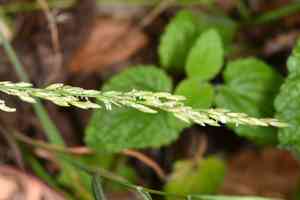
Melica torreyana is a perennial herbaceous plant indigenous to North America, thriving in shaded forest environments and damp substrates. Its primary method of reproduction is via division, which entails segmenting and transplanting established clusters. Verify that the clusters are robust and their root systems are undamaged throughout the division process. This approach assists in preserving the plant's vitality and stimulates fresh development. It is perfectly suited for horticulturists aiming to enlarge their assortment while upholding the species' long-term viability.
When Is the Optimal Time to Propagate Torrey's Melicgrass?
Propagation Method
Splitting
Propagation Period
Spring,Autumn
What Implements Are Employed in Torrey's Melicgrass Propagation?
Sharp Blade or Garden Clippers
A keen blade or garden clippers are vital for the splitting technique. These instruments are utilized to cleanly and precisely sever the root system and clumps of torrey's melicgrass to generate new plants. The sharpness of the edge guarantees minimal harm to the roots, fostering quicker recuperation and development.
Garden Fork
A garden fork is employed to gently elevate and separate the clumps of torrey's melicgrass from the earth. This implement aids in preventing damage to the root system while extracting the plant from the ground. It is particularly useful for loosening the soil and prying apart the roots without inflicting undue stress on the plant.
Hand Trowel
A hand trowel is utilized for creating small depressions in the soil where the divided sections of torrey's melicgrass will be situated. The trowel permits precise excavation and is crucial for ensuring that the new divisions are planted at the appropriate depth.
Rooting Compound
While not always essential, a rooting compound can be advantageous in encouraging rapid root formation for the divided sections of torrey's melicgrass. Applying rooting compound to the severed ends prior to planting can help stimulate root growth and enhance the likelihood of successful propagation.
Watering Vessel
A watering vessel is indispensable for delivering gentle and uniform hydration to the newly planted divisions of torrey's melicgrass. Sufficient moisture aids the roots in establishing quickly in their new location. A vessel with a fine rose attachment can dispense water gently, preventing soil displacement and root disturbance.
Mulch
Applying mulch around the newly planted divisions of torrey's melicgrass assists in retaining moisture, regulating soil temperature, and suppressing weeds. Mulch is important for maintaining a stable environment for the young plants, enabling them to establish robust root systems.
How to Propagate Torrey's Melicgrass?
Propagation Difficulty
Simple
How to Nurture Your Newly Propagated Torrey's Melicgrass?
How to Nurture Your Newly Propagated Torrey's Melicgrass?
Post-propagation, ensure torrey's melicgrass receives ample water during its initial establishment phase. Once settled, provide consistent watering during dry spells. Apply a balanced, slow-release fertilizer in the spring to encourage vigorous growth. Torrey's melicgrass thrives in well-drained soil; confirm the planting area does not become waterlogged. Monitor for pests and diseases, removing debris and dead material to mitigate potential issues. Prune back dead or damaged stems to stimulate new growth and maintain a neat appearance.
Common Errors to Avoid When Propagating Torrey's Melicgrass
Excessive Watering
This can lead to root decay as torrey's melicgrass prefers well-drained soil. Surplus water can suffocate the roots, depriving them of necessary oxygen.
Using Inferior Soil
Planting torrey's melicgrass in soil that is too dense or lacks adequate nutrients can impede growth. Ensuring soil has proper texture and fertility is crucial.
Disregarding Soil pH
Torrey's melicgrass might not flourish if the soil pH is unsuitable. Utilizing soil that is too acidic or too alkaline can result in poor nutrient absorption.
Incorrect Planting Depth
Planting torrey's melicgrass too deeply can bury vital parts of the plant, whereas too shallow can leave them exposed, impacting their stability and growth.
Insufficient Sunlight
Torrey's melicgrass requires specific light conditions. Inadequate sunlight can slow down growth and affect the overall health of the plant.
Advice For Propagating Torrey's Melicgrass
Well-Draining Medium
Ensure the planting substrate is well-drained to prevent waterlogging and root rot. A blend of sand, peat, and perlite can help achieve this.
Soil Nutrients
Utilize a balanced, nutrient-rich soil to support healthy development. Compost or well-rotted manure can enhance soil fertility.
Appropriate Soil pH
Test the soil pH and adjust it if necessary to fall within the optimal range for torrey's melicgrass. This ensures effective nutrient uptake.
Correct Depth
Plant seeds or transplants at the proper depth. A general guideline is to cover the seeds with a thin layer of soil, just enough to ensure they remain in place.
Ample Sunlight
Position torrey's melicgrass in a location where it can receive sufficient sunlight, typically partial to full sun depending on the environment. Adjust placement accordingly.



