How to Transplant Moonah?
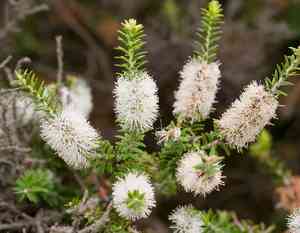
Moonah, a perennial species, flourishes optimally when relocated from early to late spring or during the initial part of winter. Select a site that receives ample sunlight or partial shade and possesses well-draining earth. Verify that the chosen spot is devoid of frost to foster robust root development.
Essential Preparations Before Relocating Moonah?
What is the Best Time for Moving Moonah?
The prime times for relocating moonah, a perennial species, are from early to late spring or during early winter. Moving them at these points allows moonah to develop robust root systems before summer's heat or winter's chill, fostering improved growth and resilience. These seasons offer mild weather and consistent moisture, which lessens transplant shock.
How Much Room Should You Provide Between Moonah Plants?
For moonah, aim to position each plant 8-10 feet (2.5-3 meters) apart. This guarantees sufficient space for development and proper air circulation.
What is the Ideal Soil Blend for Moonah Relocation?
Moonah thrives in well-draining sandy or loamy soil. Prepare the site by incorporating compost and a balanced slow-release fertilizer to supply vital nutrients.
Where Should You Replant Your Moonah?
Select a sunny location for moonah where it can receive full sunlight for at least 6-8 hours daily. This will aid its healthy and vigorous growth.
What Tools Should You Prepare Before Moving Moonah?
Gardening Gloves
To safeguard your hands while handling soil and plants.
Shovel or Spade
For excavating around the plant and preparing the new hole.
Pruning Shears
To trim any damaged or excess roots and foliage.
Watering Can or Hose
To hydrate the plant before and after relocation.
Wheelbarrow
To transport the plant if needed.
Compost or Organic Mulch
To enrich the soil and assist with moisture retention.
How Do You Extract Moonah from the Ground?
How Do You Extract Moonah from the Ground?
From Ground: First, water the moonah plant to moisten the soil. Then, dig a wide trench around the plant using a shovel or spade, ensuring the plant's root ball remains intact. Carefully work the spade beneath the root ball to lift the plant from its original spot.From Pot: Gently tap the sides of the pot to loosen the soil. Carefully slide the moonah plant out, holding the base of the plant and supporting the root ball. If the plant is root-bound, gently separate the roots before replanting.From Seedling Tray: Water the seedlings to facilitate easier removal. Use your finger or a small tool to gently lift the seedlings from the tray, taking care not to harm the roots. Handle seedlings by their leaves to avoid damaging the stems.
Step-by-Step Guide for Relocating Moonah
Hole Preparation
Excavate a hole in the ground that is twice as wide and the same depth as the moonah's root ball. This will provide ample room for the roots to spread comfortably.
Add Soil Amendment
If necessary, blend compost or organic mulch into the soil at the base of the hole to supply additional nutrients for the moonah.
Position the Plant
Place the moonah in the center of the hole, ensuring the top of the root ball is level with the ground surface. Backfill the hole with soil, gently firming it down as you go to eliminate air pockets.
Water the Plant
Thoroughly water the moonah immediately after relocation to help settle the soil around the roots and reduce transplant shock.
Mulch Application
Apply a layer of organic mulch around the base of the moonah, leaving a gap around the stem to prevent rot.
How Do You Care For Moonah After Relocation?
Watering
Keep the soil around the moonah consistently moist, but not waterlogged, for the initial few weeks after relocation to aid in establishing strong roots.
Monitoring
Regularly inspect the moonah for signs of stress, such as wilting or yellowing leaves. Address any issues promptly by adjusting water levels or checking for pests.
Weed Control
Remove any weeds from around the moonah to lessen competition for nutrients and water.
Pruning
If needed, lightly prune the moonah to remove any damaged or excessively long branches. This can help the plant direct its energy towards root development.
Troubleshooting Common Issues with Moonah Relocation.
When is the ideal time to relocate moonah?
The best period is from early spring to late spring or early winter for successful replanting.
What spacing should I maintain when relocating moonah?
Ensure each plant is spaced 8-10 feet (2.4-3 meters) apart for optimal growth.
How deep should the hole be when relocating moonah?
Dig a hole twice the root ball's width and just as deep for proper root expansion.
What soil type is best for relocating moonah?
Moonah prefers well-drained, sandy to loamy soil for healthy root development.
Should I water moonah immediately after relocating?
Yes, water the plant thoroughly right after relocating to settle the soil around the roots.
Do I need to prune moonah before relocating?
Minimal pruning of damaged or excess roots and branches can help reduce transplant shock.
What should I do if moonah shows signs of stress post-relocation?
Provide consistent watering, mulch around the base, and ensure it gets partial to full sunlight.
Can I fertilize moonah immediately after relocating?
It's best to wait a few weeks before applying fertilizer to avoid burning the freshly moved roots.
How can I protect moonah from transplant shock?
Keep the roots moist, handle gently, and relocate during cooler parts of the day.
Is mulching necessary after relocating moonah?
Yes, applying 2-3 inches (5-7.5 cm) of mulch helps retain moisture and regulate soil temperature.



