How to Prune Moonah?
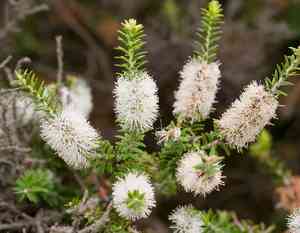
Moonah is recognized for its resilient framework and thick leaves. Essential trimming methods involve shaping to preserve its appealing appearance and eliminating deceased or compromised limbs to foster well-being. The ideal period for pruning is in early spring or late winter, coinciding with its developmental phase. This aids in encouraging fresh development and sustaining a sturdy build. Consistent trimming can boost blooming, enhance air movement, and avert ailments. Refer to credible gardening resources for optimal approaches.
What Are the Benefits of Pruning Moonah?
What Are the Benefits of Pruning Moonah?
Pruning moonah helps foster robust development, maintain its form, boost flowering, manage its size, improve its look, and deter pests. Consistent trimming keeps moonah healthy and visually appealing, making it a valuable practice for gardeners.
What Is the Best Time for Pruning Moonah?
What Is the Best Time for Pruning Moonah?
Trimming moonah in late winter and early spring is optimal due to its growth cycle. During these periods, the plant is dormant or just starting to grow, which lowers infection risk and speeds up recovery. Additionally, pruning then minimizes disruption to its flowering, ensuring a vibrant bloom. This timing also aids in shaping the plant before significant growth, leading to a more attractive and well-structured form.
What Tools Do I Need to Prune Moonah?
Hand Pruners
Perfect for precise cuts on small branches and tips. Hand pruners help keep moonah's shape and remove unwanted growth without harming the plant.
Loppers
Suitable for cutting thicker branches too large for hand pruners. Loppers provide the necessary leverage and power to manage moonah's mature branches.
Pruning Saw
Needed for larger branches that loppers cannot handle. A pruning saw ensures clean cuts, vital for moonah's health and appearance.
Hedge Shears
Useful for shaping and maintaining moonah's overall look. Hedge shears allow for uniform trimming of multiple branches at once, promoting even growth.
Pole Pruner
Ideal for reaching and trimming higher branches without a ladder. A pole pruner helps maintain moonah's upper structure safely and efficiently.
How to Prune Moonah
Assess
Start by thoroughly examining moonah to find dead and diseased branches. Be sure to distinguish between healthy and unhealthy parts.
Tool Sterilize
Sanitize your pruning tools with a solution of one part bleach to ten parts water to prevent disease spread.
Cut dead
Carefully remove dead branches by making a clean cut just above a healthy side branch or bud. Use loppers or a pruning saw depending on branch thickness.
Cut diseased
Remove diseased branches, cutting at least six inches below the affected area to ensure all diseased tissue is gone. Dispose of these cuttings carefully to prevent spreading.
Inspect regularly
Periodically check moonah for any new signs of dead or diseased branches and repeat the pruning process as needed.
Common Pruning Mistakes with Moonah
Improper technique
Using dull or unsuitable tools can cause ragged cuts, potentially leading to disease or pest entry. Always ensure tools are sharp and clean.
Incorrect timing
Pruning at the wrong time of year can stress moonah and impede its growth. Timing is crucial to avoid disrupting natural growth cycles.
Over-pruning
Removing too much foliage can weaken moonah and reduce its ability to photosynthesize, which can hinder growth and flowering.
Neglecting branch structure
Ignoring the plantâs natural shape and structure can result in an unbalanced appearance and poor health. Pruning should respect and enhance moonah's natural form.
Cutting too close
Making cuts too near the main stem can harm the plant, creating wounds that are difficult to heal and susceptible to infection.
Common Pruning Tips for Moonah
Selective cutting
Focus on removing dead, diseased, or damaged branches first. This improves air circulation and light penetration, encouraging healthier growth.
Maintain shape
Use pruning to preserve moonahâs natural, bushy form. Regular, light trimming is better than heavy pruning sessions.
Proper equipment
Always use sharp, sterilized tools for clean cuts. This reduces disease risk and promotes faster healing.
Spatial awareness
Ensure adequate space between branches for air circulation. This helps prevent fungal infections and other diseases.
Beware of water shoots
Remove any water shoots (vigorous vertical growths) as they appear. These can drain energy from the plant and disrupt the desired branch structure.



