How to Transplant Swamp paperbark?
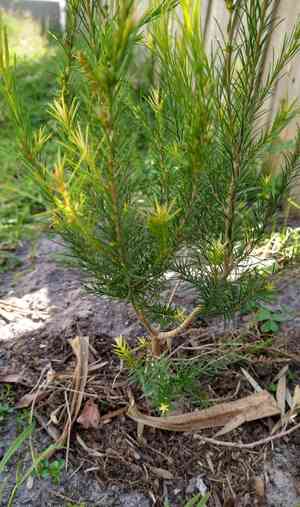
The ideal period for relocating swamp paperbark is from the beginning of spring until its conclusion, or from the end of autumn into winter, to protect the plant from harsh temperatures. Select a site that receives full sun to partial shade and has damp earth to encourage robust development.
What Preparations are Needed Before Transplanting Swamp Paperbark?
What is the Ideal Time for Transplanting Swamp Paperbark?
Swamp paperbark is best moved from early to late spring, or late autumn through late winter. These periods allow the plant to establish its root system prior to extreme summer or winter temperatures. Proper timing minimizes stress and boosts survival rates, leading to healthier, more vigorous growth in its new spot.
How Much Space Should You Leave Between Swamp Paperbark Plants?
When relocating swamp paperbark, ensure each plant is positioned approximately 6-10 feet (1.8-3 meters) apart. This spacing guarantees ample room for growth and root expansion without competition for nutrients and light.
What is the Best Soil Mix for Swamp Paperbark Transplanting?
Prepare the soil for swamp paperbark by ensuring it drains well and contains abundant organic matter. Consider incorporating compost or aged manure as a foundational fertilizer to enhance soil structure and fertility. This will aid your plant's prosperity.
Where Should You Relocate Your Swamp Paperbark?
Select a site for transplanting swamp paperbark where it will receive full sun to partial shade. Aim for a minimum of 6 hours of direct sunlight daily to ensure robust development.
What Equipments Should You Prepare Before Transplantation Swamp Paperbark?
Gardening Gloves
To safeguard your hands while handling soil and the plant.
Shovel or Spade
For excavating around the plant and preparing the new cavity.
Trowel
For precise work near the root system.
Garden Fork
To gently loosen the soil surrounding the plant's roots.
Watering Can or Hose with a Gentle Spray Nozzle
For hydrating the plant before and after its relocation.
Compost or Organic Mulch
To enrich the earth and maintain moisture levels.
Stakes and Ties
For providing support to the plant if necessary.
Wheelbarrow
For moving the plant if it is large and heavy.
How Do You Remove Swamp Paperbark from the Soil?
How Do You Remove Swamp Paperbark from the Soil?
From Ground: First, moisten the soil around the swamp paperbark plant. Then, dig a wide trench around the plant using a shovel or spade, ensuring the root ball remains intact. Carefully work the spade beneath the root ball to lift the plant from its original spot.From Pot: Thoroughly water the swamp paperbark plant in its container to facilitate its removal. Gently tip the pot and slide the plant out, being careful to support the root ball. If the plant is root-bound, gently loosen the roots with your fingers or a garden fork.From Seedling Tray: Water the seedlings well before transplanting. Use a trowel to carefully lift each swamp paperbark seedling from the tray, ensuring as much of the root system as possible remains intact.
Step-by-Step Guide for Transplanting Swamp Paperbark
Prepare the New Site
Dig a hole twice as wide and the same depth as the root ball of your swamp paperbark plant. This provides ample space for the roots to spread and establish.
Remove From Original Location
Follow the appropriate method for extracting the swamp paperbark plant from the ground, pot, or seedling tray as described above.
Planting in the New Location
Place the swamp paperbark plant into the prepared hole, ensuring it sits at the same depth as it was previously growing. Backfill the hole with soil, pressing down firmly but gently to eliminate air pockets.
Watering
Water the swamp paperbark plant thoroughly after transplanting to help settle the soil around its roots.
Add Mulch
Apply a layer of compost or organic mulch around the base of the plant, avoiding direct contact with the stem. This aids in retaining soil moisture and regulating temperature.
How Do You Care For Swamp Paperbark After Transplanting?
Watering
Keep the soil around the swamp paperbark consistently moist, but not waterlogged, for the initial weeks post-transplant to encourage strong root development.
Monitoring
Observe your swamp paperbark plant for indications of stress, such as wilting or yellowing leaves, and adjust care as necessary.
Staking
If your swamp paperbark plant is tall or top-heavy, use stakes and ties to offer support until it is established, particularly in windy areas.
Mulching
Regularly inspect the mulch layer to ensure it continues to effectively retain moisture and suppress weeds.
Troubleshooting Common Issues with Swamp Paperbark Transplantation.
When is the best time to transplant swamp paperbark?
The optimal period to transplant swamp paperbark is from early to late spring, late fall, and early to late winter.
How much spacing should swamp paperbark require?
Swamp paperbark needs to be spaced 6-10 feet (1.8-3 meters) apart for ideal growth.
What is the first step in transplanting swamp paperbark?
Begin by selecting a suitable location with adequate sunlight and sufficient room for swamp paperbark.
How do I prepare the soil for swamp paperbark?
Improve the soil with compost to ensure it is well-draining and rich in nutrients for swamp paperbark.
What should I do before digging up swamp paperbark?
Water swamp paperbark thoroughly a day prior to transplanting to minimize shock.
How deep should I dig the hole for swamp paperbark?
Excavate a hole twice as wide and as deep as the root ball of swamp paperbark.
What should I do with the swamp paperbark root ball?
Keep the root ball intact, and gently loosen the soil around it before planting swamp paperbark.
How do I place swamp paperbark in the new hole?
Position swamp paperbark in the new hole at the same depth it was growing previously.
How often should I water swamp paperbark after transplanting?
Water swamp paperbark regularly for the first few weeks, maintaining moist but not waterlogged soil.
Should I fertilize swamp paperbark immediately after transplanting?
Avoid fertilizing swamp paperbark immediately after transplanting to reduce stress; wait several weeks.