
Swamp paperbark (Melaleuca ericifolia)
Also known as: Swamp Paperbark, Australian Melaleuca, Heath-leaved Paperbark
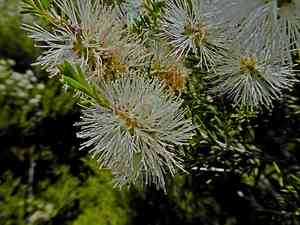
Swamp paperbark (Melaleuca ericifolia), a hardy shrub native to Australia, excels in wetland habitats and alongside water bodies. Recognizable by its slender, pointed leaves and woody seed capsules, it produces bottlebrush-like clusters of cream or white flowers, which are a magnet for pollinators. Its capacity to flourish in waterlogged soils makes it a key player in stabilizing ecosystems, while also serving as an attractive ornamental plant.
In This Article
Attributes of Swamp paperbark
Lifespan
Perennial
Plant Type
Shrub
Plant Height
15–25 feet (4.5–7.6 meters)
Spread
10–15 feet (3–4.6 meters)
Leaf Color
Dark green
Flower Size
Small, about 0.5 inches (1.3 cm)
Flower Color
White or cream
Images of Swamp paperbark
Quickly Identify Swamp paperbark
1
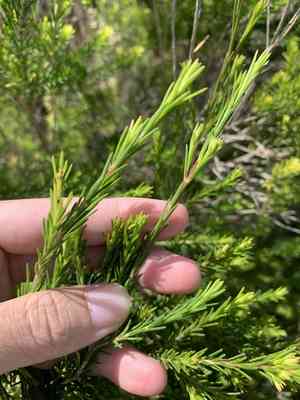
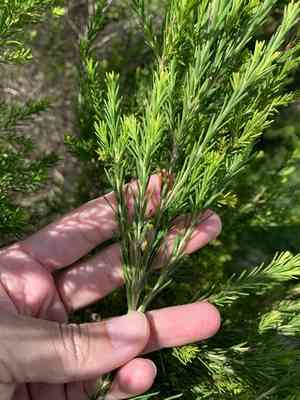
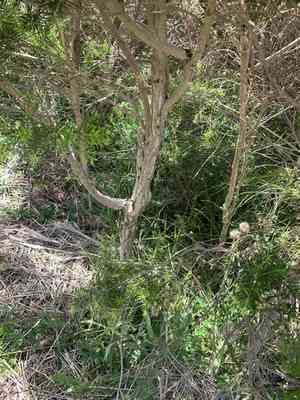
Melaleuca ericifolia can be identified by its narrow, linear leaves that are heath-like, as well as its dense clusters of small, fluffy white or cream flowers. The bark is light-brown and papery, peeling off in sheets.
Scientific Classification of Swamp paperbark
Phylum
Vascular plants
Class
Dicotyledons
Order
Myrtales
Family
Myrtle
Genus
Tea trees
Species
Swamp paperbark
Planting and Growing of Swamp paperbark
Care Difficulty
Moderate
Watering Schedule
Every 4 days
Sunlight Requirements
Full sun
Sunshine Duration
6-12 hours
Ideal Temperature
60-77℉
Soil Type
Potting Mix, Peat Mix
Soil pH
6.5-7.5
Fertilizer Type
Balanced
Pruning Season
Spring, Summer
Pruning Area
Branches, Leaves
Pruning Frequency
2 times a year
Repotting Season
Spring
Pot Type
Plastic, Ceramic
 How to Water Swamp paperbark?
Melaleuca ericifolia, commonly known as Swamp Paperbark, should be watered deeply but infrequently. The ideal amount would be around 500 milliliters per session. This plant thrives with its roots evenly moist but not soaked. The goal is to ensure that water reaches the root zone, without leaving the soil waterlogged. The soil should dry out slightly between waterings.
What are the symptoms of an underwatered Swamp paperbark?
›
What should I do if my Swamp paperbark is not getting enough water?
›
What are the symptoms of an overwatered Swamp paperbark?
›
How to save an overwatered Swamp paperbark?
›
 What Are the Sunlight Requirements for Swamp paperbark?
Melaleuca ericifolia thrives best in situations offering full to partial sun. Ideal lighting encourages vigorous growth and profuse flowering, enhancing the plant's visual appeal and ecological contributions, such as supporting local pollinators.
Why does Melaleuca ericifolia need specific light conditions?
›
How can you achieve ideal lighting for Melaleuca ericifolia?
›
What benefits does adequate light provide to Melaleuca ericifolia?
›
 What Is the Ideal Temperature Range for Swamp paperbark?
The ideal temperature range for Melaleuca ericifolia is between 60 and 77°F. Within this range, the plant can thrive and exhibit optimal growth. It is well-adapted to mild temperatures where it can photosynthesize efficiently and maintain strong cellular functions.
 What Soil is Best for Swamp paperbark?
Melaleuca ericifolia thrives best in well-drained soils. This type of soil prevents waterlogging, which can lead to root rot. Ensuring proper drainage will promote healthy root growth, enhancing the plant's overall vigor. This plant prefers soil that retains moisture without becoming waterlogged. Consistent moisture supports the plant's growth and flowering process, contributing to a lush and vibrant appearance. Nutrient-rich, fertile soil provides the essential elements needed for Melaleuca ericifolia to flourish. Proper soil fertility ensures robust growth, abundant foliage, and resistance against diseases.
 How to Fertilize Swamp paperbark?
For Melaleuca ericifolia, it's essential to use moderate amounts of fertilizer. Too little won't support its growth, while too much can harm it. Aim around 2 teaspoons per plant of a balanced 10-10-10 liquid fertilizer monthly during the growing season, tapering back in autumn and winter.
 How to Prune Swamp paperbark?
Begin by removing any dead, damaged, or diseased branches. Look for growths that are discolored or brittle, as removing these will rejuvenate the plant. After clearing old growths, shape the plant by targeting overgrown areas. Focus on maintaining the plant's natural shape while ensuring good airflow through the branches. Refrain from cutting back more than one-third of the plant at once, as over-pruning can stress the plant and impede its recovery and growth.
More About Pruning Techniques→
 How to Propagate Swamp paperbark plant?
1
Start by collecting seeds from mature Melaleuca ericifolia pods or take semi-hardwood cuttings from healthy, disease-free parent plants during the optimal season.
2
Prepare a well-aerated growing medium such as a mix of peat and sand for cuttings or a seed starting mix to ensure proper drainage and space for root development.
3
Plant seeds shallowly or insert cuttings into the prepared medium. Place them in a warm, indirect light position and maintain consistent moisture without waterlogging the medium.
 How to Repot Swamp paperbark plant?
1
Repot Melaleuca ericifolia when roots are visibly coming out of the drainage holes of the current pot or if you notice that the soil is drying out more quickly than usual. These signs often indicate that the plant is pot-bound and needs more room to grow vigorously.
2
Select a pot that is one size larger than the current one, with plenty of drainage holes to allow excess water to escape. This helps prevent root rot and allows the plant to expand its root system healthily.
3
Opt for a well-draining, sandy soil mix, ideally one formulated for native Australian plants. This provides adequate drainage while retaining essential moisture, mimicking the natural habitat of Melaleuca ericifolia.



