How to Prune Swamp paperbark?
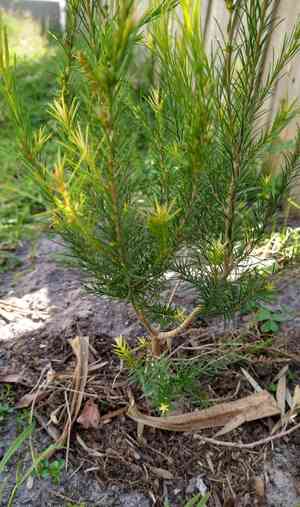
Recognized for its compact habit and tolerance for moist ground, Melaleuca quinquenervia thrives with early spring trimming. Remove any lifeless or compromised limbs to encourage robust development. Gentle shaping and thinning can boost air movement and light exposure, lowering the chances of infestations. Refrain from extensive cutting, as Melaleuca quinquenervia reacts most favorably to minor interventions. Consistent upkeep accentuates its inherent structure and vitality, establishing it as a resilient feature in any landscape. Consult gardening resources for accurate methods.
What Are the Benefits of Pruning Swamp Paperbark?
What Are the Benefits of Pruning Swamp Paperbark?
Trimming swamp paperbark encourages robust development and helps maintain its form. This improves air circulation, lowering the chances of disease and pest infestations. Furthermore, it stimulates new shoots, leading to a healthier and more attractive plant.
What Is the Best Time for Pruning Swamp Paperbark?
What Is the Best Time for Pruning Swamp Paperbark?
Trimming swamp paperbark in early spring is optimal, occurring before its main growth surge in warmer months. This timing allows for rapid plant recovery and fosters healthy new growth. Pruning at this point ensures energy is directed to developing new shoots. Additionally, early spring pruning avoids disrupting flowering periods, as swamp paperbark typically blooms from late spring to early summer. Pruning during dormancy also minimizes disease spread and insect issues.
What Tools Do I Need to Prune Swamp Paperbark?
Hand Pruners
Perfect for cutting small branches and stems up to 1/2 inch in diameter. Essential for preserving the form and health of swamp paperbark.
Loppers
Required for trimming medium-sized branches too thick for hand pruners, typically up to 2 inches. Useful for managing swamp paperbark's dense foliage.
Pruning Saw
Recommended for larger branches or older growth that hand pruners and loppers cannot manage. This is especially helpful for robust branches of swamp paperbark.
Pole Pruner
Effective for reaching higher branches without needing a ladder, ensuring safer and more precise trimming of taller sections of swamp paperbark.
Bypass Pruners
Preferred for clean cuts on living wood, reducing disease risk and promoting quicker healing in swamp paperbark.
Anvil Pruners
Useful for cutting through dead or tough wood, providing a clean and accurate cut, which is sometimes necessary for swamp paperbark.
How to Prune Swamp Paperbark
Inspection
Thoroughly examine swamp paperbark for indications of diseased leaves, withered leaves, dead branches, and diseased branches. It's crucial to identify all problematic areas before starting the pruning process.
ToolsPreparation
Prepare sanitized, sharp pruning tools like shears or saws. Sterilize tools with a solution of one part bleach to nine parts water to prevent disease transmission.
DiseasedLeavesRemoval
Remove diseased leaves by cutting them at their base where they connect to the main stem or branch. Dispose of these leaves properly to prevent illness from spreading to other parts of swamp paperbark or nearby plants.
WitheredLeavesRemoval
Trim away any withered leaves by cutting them close to the main stem or branch. This helps maintain the plantâs overall health and improves its appearance.
DeadDiseasedBranches
Cut dead branches and diseased branches back to a healthy section of the stem. If the entire branch is dead or severely diseased, remove it completely to an area just above the branch collar to facilitate proper healing.
Common Pruning Mistakes with Swamp Paperbark
Improper Technique
A frequent error is using incorrect pruning tools or methods, such as making jagged cuts or tearing branches. This can cause unnecessary harm to the plant and create entry points for disease.
Over-Pruning
Removing too much at once can stress swamp paperbark, hindering its ability to recover and grow properly. It's important to prune only a reasonable amount of the plant at a time.
Incorrect Pruning Cuts
Making cuts too close to the main stem or too far from a bud can impede proper healing and growth. Correct cuts should be made at an angle, just above a bud or lateral branch.
Pruning at the Wrong Time of Day
Pruning during the hottest parts of the day can stress the plant more than necessary. Early morning or late afternoon are better choices.
Common Pruning Tips for Swamp Paperbark
Use Sharp Tools
Always use sharp, clean pruning shears to make precise cuts. This reduces the risk of plant injury and aids in more efficient healing.
Moderate Pruning
When trimming swamp paperbark, aim to remove no more than one-third of the plantâs branches at a time. This helps maintain the plant's natural shape and vigor.
Sanitize Tools
Sanitize your pruning tools before and after use to prevent the spread of pathogens. This is especially crucial if you notice signs of disease on any plants in your garden.
Cut at Angles
Make pruning cuts at a 45-degree angle, just above a bud or lateral branch. This method encourages new growth and helps minimize water accumulation, reducing the risk of rot.
Inspect Regularly
Regularly inspect swamp paperbark for dead or diseased branches and trim them as needed. This routine care keeps the plant healthy and reduces the risk of disease spreading.