How to Transplant Balata?
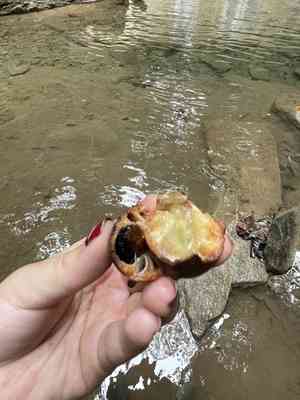
For balata, the ideal period for transplanting extends from the revitalizing onset of spring to the verge of complete leaf development in late season, ensuring prime root integration. Select locations that replicate its natural habitat—filtered sunlight and moisture-holding earth enhance the likelihood of its successful acclimation.
What Preparations are Needed Before Transplanting Balata?
What is the Ideal Time for Transplanting Balata?
The best time for relocating balata occurs during nature's reawakening, from the melting of frost to the peak of blooming. Moving balata during this period allows roots to establish and strengthen before the full intensity of summer, leading to vigorous growth and health. This timeframe provides balata with the gentle warmth and increasing daylight it requires, fostering strong establishment and adaptation in its new spot.
How Much Space Should You Leave Between Balata Plants?
When getting ready to move your balata, envision each one as a future giant. To allow them ample room to flourish, position them approximately 25-35 feet apart (7.6-10.7 meters). This spacing will ensure adequate air circulation and lessen competition for vital nutrients!
What is the Best Soil Mix for Balata Transplanting?
Your balata will flourish in well-draining, loamy soil! It's like the perfect foundation for their root system. If possible, enrich the soil with a balanced, slow-release fertilizer to give them a nourishing start in their new environment.
Where Should You Relocate Your Balata?
For your balata to thrive with maximum sunlight, select a spot that receives full sun exposure. They prefer at least 6 hours or more of direct sunlight daily. A sunny location will optimize their development and help them feel their best!
What Equipments Should You Prepare Before Transplantation Balata?
Gardening Gloves
To safeguard your hands while handling soil and the plant.
Shovel or Spade
For excavating the balata plant from its original spot and preparing the new location.
Pruning Shears
To trim any damaged roots or branches prior to transplanting.
Wheelbarrow
For transporting the balata plant and soil.
Watering Can or Hose
To hydrate the balata plant before and after its relocation.
Mulch
To assist in regulating soil temperature and retaining moisture post-planting.
Stake and Ties
To provide support for the balata plant in its new position if needed.
How Do You Remove Balata from the Soil?
How Do You Remove Balata from the Soil?
From Ground: First, moisten the balata plant's soil to facilitate easier digging and reduce root stress. Next, dig a wide trench around the plant, ensuring it's far enough to avoid cutting into the root ball. Gently work the shovel beneath the root ball to free it from the ground. Use the shovel or your hands to carefully lift the balata out, aiming to keep as much soil around the roots as possible.From Pot: Water the plant thoroughly to ease the removal of the root ball. Turn the pot on its side, hold the plant by its base, and tap the bottom to loosen it. If the balata doesn't slide out, run a knife along the pot's interior edge, then try again to carefully extract the plant.From Seedling Tray: Dampen the soil first to minimize root disturbance. Use a small tool or your fingers to gently lift the balata seedling from its cell, ensuring you support the root ball as you remove it.
Step-by-Step Guide for Transplanting Balata
Preparation
Ensure the new site is thoroughly prepared beforehand, with any necessary amendments already mixed in, and a hole dug that is twice as wide and the same depth as the balata's root ball. Loosen the soil around the hole's edges to encourage root expansion.
Removing the balata
Follow the instructions detailed in the 'removal process' section specific to your situation, whether the balata is being taken from the ground, a pot, or a seedling tray.
Planting the balata
Carefully lower the balata into the prepared hole, positioning it so the top of the root ball is level with the soil surface. Fill in around the root ball with soil, gently tamping down to eliminate air pockets without overly compacting the soil, which can hinder water penetration and root growth.
Securing the balata
If the balata plant is large and the location is windy, you might need to use stakes and ties to keep it upright and stable. Place stakes outside the root zone and attach ties that are not too tight, allowing some movement.
Irrigation
Water the balata thoroughly after planting to settle the soil around the roots and provide essential hydration for the plant's recovery from transplant shock.
How Do You Care For Balata After Transplanting?
Monitoring
Regularly check the plant to ensure it's adapting well to its new spot and adjust care as needed based on its appearance and weather conditions.
Mulching
Apply a layer of mulch around the balata, making sure to keep it away from the base/trunk to prevent rot and pests. Mulch will help retain moisture and suppress weeds.
Stabilizing
Keep an eye on the ties and stakes, adjusting them as necessary to avoid damaging the balata as it grows and gradually reduce reliance on supports as it establishes.
Adjusting Care
Modify watering patterns according to the season and weather conditions, ensuring the balata is neither overwatered nor subjected to prolonged dryness.
Troubleshooting Common Issues with Balata Transplantation.
What's the optimal time to transplant balata?
The ideal period is from early to late spring, when the weather is mild and favorable.
How much space does balata need when transplanting?
Allow a generous distance of 25-35 feet (7.6-10.7 meters) between balata to ensure proper development.
Why is my balata wilting after transplant?
Wilting might indicate shock. Ensure it's adequately watered and the roots are not damaged or constricted.
What soil type is best for planting balata?
Balata thrives in well-draining, nutrient-rich soil. Amend heavy clay or sandy soils as required.
How deep should I plant balata's root ball?
The root ball should be level with the ground, in a hole twice its width.
Should I prune balata when transplanting?
Minimal pruning to remove damaged branches encourages better focus on root establishment.
How do I protect balata from transplant shock?
Water thoroughly after transplanting, mulch, and initially provide shade from intense sun.
Can I transplant balata in the summer or fall?
It's possible, but spring's mild temperatures create optimal conditions for root establishment.
How often should I water balata post-transplant?
Water deeply once a week, allowing the soil to partially dry between watering sessions.
What signs indicate successful balata transplant?
New growth and the absence of leaf drop or yellowing are positive indicators.



