How to Prune Balata?
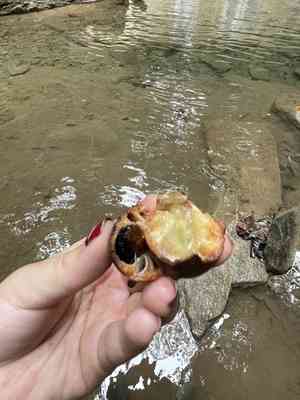
To preserve the unique, robust foliage and thick crown of a tropical evergreen such as balata, regular trimming is essential. Winter pruning stimulates strong development in the spring. Remove any lifeless or ailing branches, sculpt the crown for structural soundness, and thin out congested sections to improve light access and air circulation. Appropriate pruning fosters well-being and averts potential fungal problems common in its dense leafage, maximizing this resilient tree's aesthetic and practical benefits. Employ sanitized, sharp implements to lessen trauma and deter insect infestation.
Advantages of Trimming Balata
Advantages of Trimming Balata
Trimming balata promotes strong development and helps maintain its desired shape. Strategic cuts eliminate crowded branches, improving air circulation and light exposure, crucial for robust health and form.
Optimal Period for Trimming Balata
Optimal Period for Trimming Balata
Winter is considered the best time to trim balata because the plant typically enters a dormant state, slowing its growth. This dormant phase is beneficial for trimming as it minimizes plant stress and reduces sap loss, which can attract pests. Since balata is not actively producing new leaves, flowers, or fruit, trimming in winter allows the plant to focus energy on healing pruned areas as temperatures rise in spring. This timing also provides gardeners a clearer view of the plant's structure for more precise cuts, as foliage is less dense.
Required Tools for Trimming Balata
Hand Pruners (Secateurs)
Suitable for making clean cuts on smaller branches and stems. Perfect for shaping balata and removing any dead or diseased material without harming the plant's main structure.
Lopping Shears
These are useful for cutting through thicker branches that hand pruners cannot manage. Balata may develop branches too thick for smaller tools, making lopping shears essential for managing its growth.
Pruning Saw
When balata has matured and developed even thicker branches, a pruning saw will be necessary. It's designed to cut through large limbs without tearing the bark, preventing entry points for disease.
Hedge Shears
If maintaining balata in a hedge or specific form, hedge shears are appropriate for trimming and shaping due to their long blades and ability to create straight, even lines.
Pole Pruner
For balata specimens that are tall or have hard-to-reach areas, pole pruners offer the necessary reach without sacrificing the power to make clean cuts.
How to Trim Balata
Clean and sharpen tools
Before trimming balata, ensure all pruning tools are clean and sharpened. This lowers the risk of spreading disease and allows for clean cuts that heal faster.
Sanitize tools
Sanitize pruning tools with a solution of 1 part bleach to 9 parts water to prevent transmitting pathogens to balata. Allow to air dry or wipe with a clean cloth.
Remove dead branches
Carefully remove any dead branches from balata by cutting where they join a larger branch or the trunk. Make the cut just outside the branch collar to avoid damaging healthy tissue.
Prune diseased branches
Prune diseased branches from balata once identified. Make cuts well below the affected areas to ensure complete removal of diseased tissue. Dispose of the removed material to prevent disease spread.
Cleanup
Collect and dispose of all trimmed material from balata. Clean the tools again following the steps above to remove any residual sap or disease. This will maintain tool effectiveness and further prevent disease spread.
Common Trimming Errors with Balata
Over-pruning
Gardeners may accidentally remove too much foliage at once, which can stress balata, leading to poor growth and reduced vigor as the plant tries to recover.
Incorrect cutting
Making improper cuts can cause damage; cuts should be clean and angled to prevent water accumulation and minimize disease risk.
Pruning without sterilizing tools
Failing to sterilize pruning tools before use can introduce diseases to balata, which may already be vulnerable after trimming.
Ignoring plant structure
Not considering the natural shape and branching pattern of balata can result in an unbalanced structure and negatively impact its appearance and health.
Pruning indiscriminately
Random, non-selective trimming can remove important flower buds and disrupt the natural growth pattern of balata.
Snipping at the wrong place
Cutting too close to the main stem or leaving too large a stub can hinder proper healing and may encourage disease and pest infestation.
General Trimming Advice for Balata
Sterilize tools
Before making any cuts, ensure all pruning tools are clean and sterilized to protect balata from potential infections and diseases.
Sharp instruments
Use sharp pruning shears or saws to make clean cuts that heal quickly, reducing stress on balata.
Study plant structure
Understand the branching structure of balata to make informed decisions about which branches to trim for maintaining optimal shape and health.
Cut angle
Make cuts at a 45-degree angle away from the nearest bud to prevent water accumulation and promote good healing.
Gradual pruning
If extensive trimming is needed, do it gradually over several seasons to mitigate the stress imposed on balata and preserve its vitality.
Correct placement
Trim just above a bud facing the outside of the plant to encourage growth away from the center, which aids in good air circulation and light penetration.



