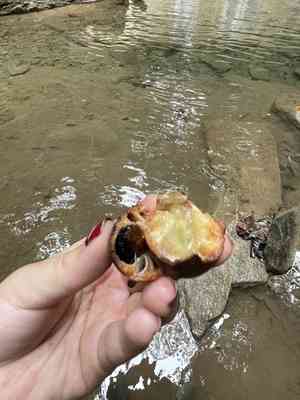
Balata (Manilkara bidentata)
Also known as: Bully tree
The Sapodilla (Manilkara zapota) is a tropical evergreen tree recognized for its hardy wood and shiny leaves. This tree bears small, bell-shaped flowers, which develop into edible fruits that serve as nourishment for wildlife. It is well-suited to a variety of environments, flourishing in both moist and arid forests. Additionally, its bark produces a latex that was traditionally used to manufacture chewing gum.
In This Article
Attributes of Balata
Lifespan
Perennial
Plant Type
Tree
Plant Height
30 to 40 meters
Spread
15 to 20 meters
Leaf Color
Glossy green
Flower Size
Approximately 1 cm
Flower Color
White
Images of Balata
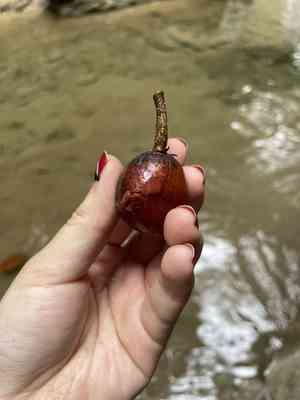
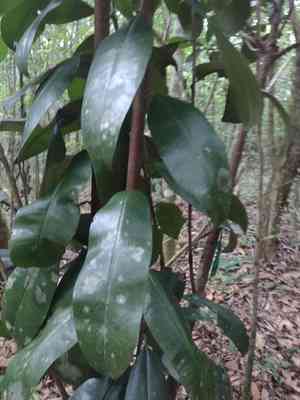
Quickly Identify Balata
1
Manilkara bidentata can be identified by its large, glossy green leaves, small white flowers, and orange-brown to red fruits. The bark is gray and fissured, and when cut, it exudes a milky latex.
Scientific Classification of Balata
Phylum
Vascular plants
Class
Dicotyledons
Order
Ericales
Family
Sapodilla
Genus
Manilkara
Species
Balata
Planting and Growing of Balata
Care Difficulty
Hard
Watering Schedule
Every 3 days
Sunlight Requirements
Partial sun
Sunshine Duration
6-12 hours
Ideal Temperature
70-85℉
Soil Type
Potting Mix, Peat Mix
Soil pH
6.5-7.5
Fertilizer Type
Balanced
Pruning Season
Spring, Summer
Pruning Area
Branches, Leaves
Pruning Frequency
2 times a year
Repotting Season
Spring
Pot Type
Plastic, Ceramic
 How to Water Balata?
For Manilkara bidentata, it is important to ensure the soil is thoroughly soaked, but not overly saturated. Each watering session should ideally provide around 500 milliliters to maintain adequate moisture without waterlogging.
What are the symptoms of an underwatered Balata?
›
What should I do if my Balata is not getting enough water?
›
What are the symptoms of an overwatered Balata?
›
How to save an overwatered Balata?
›
 What Are the Sunlight Requirements for Balata?
Manilkara bidentata prospers when provided with partial to full sun exposure. Receiving six to eight hours of filtered sunlight each day facilitates efficient photosynthesis, leading to robust growth and fruit production.
How much sunlight does Manilkara bidentata need?
›
What happens if it doesn't get ideal lighting?
›
Where should it be placed for optimal light exposure?
›
 What Is the Ideal Temperature Range for Balata?
Manilkara bidentata thrives best within an ideal temperature range of 70 to 85°F. Such temperatures mimic its natural tropical environment, promoting optimal growth and development. Maintaining this range ensures robust growth, improved photosynthesis, and overall plant health.
 What Soil is Best for Balata?
Manilkara bidentata thrives in soils that maintain consistent moisture levels. This ability to retain water supports the plant's lush growth and productivity, as it prevents dehydration and nutrient stress. A well-nourished substrate is crucial for the robust growth of Manilkara bidentata. The availability of essential nutrients in the soil ensures vigorous growth and high fruit yield, making soil enrichment a vital cultivation practice. While Manilkara bidentata prefers moisture, excessive water can lead to root rot. Therefore, ensuring good drainage prevents waterlogging, helping the plant remain healthy by balancing moisture and aeration needs.
 How to Fertilize Balata?
For Manilkara bidentata, apply liquid fertilizer at half-strength to avoid over-fertilization. Typically, each application should constitute about 50 ml per gallon of water mixed thoroughly. Slow-release fertilizers should be applied according to the manufacturer's instructions, ensuring not more than two pounds per tree annually. Adjust based on plant response.
 How to Prune Balata?
Begin by identifying and removing any dead, diseased, or damaged branches. This directs the plant's energy toward healthy growth and improves air circulation within the canopy. Trim branches that are crossing or growing awkwardly to encourage a symmetrical shape. Focus on thinning crowded areas to ensure sunlight penetrates all parts of the tree. For optimal healing, make cuts near the branch collar without damaging the trunk or remaining branch. This promotes faster healing and reduces susceptibility to pests and diseases.
More About Pruning Techniques→
 How to Propagate Balata plant?
1
Choose a well-draining potting mix to fill your seed trays. Make sure to moisten the soil before planting the seeds or cuttings to provide an optimal growth environment.
2
Place the seeds at a shallow depth in the seed tray. Cover them lightly with soil, ensuring they have enough sunlight and warmth to stimulate germination.
3
Use sharp and sterilized pruning shears to take cuttings from healthy and mature stems. Choose stems with several nodes, and remove the lower leaves before planting in the propagation medium.
 How to Repot Balata plant?
1
Manilkara bidentata shows it needs repotting when its roots become visible through the drainage holes or start circling the pot. Additionally, if growth has slowed down considerably despite proper care, it's a strong signal that the plant requires a larger space to thrive. Repot during its active growing periods in spring or summer to ensure optimal recovery and growth.
2
Select a pot that's one size larger than the current one. Ensure the new pot has ample drainage holes; this prevents waterlogging, which can lead to root rot. A terracotta or clay pot can be a wise choice, providing airflow to the root system, aiding moisture control, and improving the plant's health.
3
Choose a well-draining loam mix to emulate the natural, nutrient-rich and aerated conditions of the plant's native habitat. This soil mix retains necessary moisture while preventing water from stagnating, ensuring healthy root development and strong plant growth.
Learn More About Balata Diseases
Anthracnose
Bacterial Leaf Spot
Bacterial Soft Rot
Bacterial Wilt
Black Spot
Chemical Injury
Crown Gall
Damping-off
Downy Mildew
Drought Stress
Fusarium Wilt
Gray Mold
Leaf Curl
Leaf Spot
Mosaic
Nutrient Deficiency
Nutrient Toxicity
Powdery Mildew
Root Rot
Root-knot Nematode
Rusts
Sooty Mold
Spider Mites
Temperature Stress
Thrips Damage
White Mold



