How to Transplant Plumleaf crab apple?
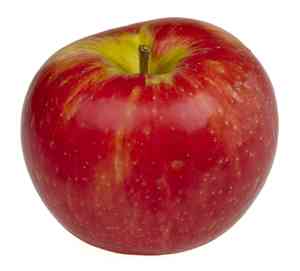
Relocate plumleaf crab apple during the tranquil period of late spring through early summer, providing a combination of warm earth and cool nights for root development. Choose a bright location with soil that drains effectively. Careful treatment of the root system is crucial for successful integration.
What Preparations are Needed Before Transplanting Plumleaf Crab Apple?
What is the Ideal Time for Transplanting Plumleaf Crab Apple?
The optimal period for relocating plumleaf crab apple is during the transition from late spring to early summer. This timeframe provides plumleaf crab apple with mild temperatures and stable conditions essential for root development. Moving plumleaf crab apple at this point leverages the start of the growing season, boosting the plant's resilience and growth. With longer days ahead, plumleaf crab apple benefits from ample sunlight and recovery time before winter, ultimately fostering a strong development cycle. Transplanting in this season aligns with natural cycles, giving plumleaf crab apple the best start in its new spot.
How Much Space Should You Leave Between Plumleaf Crab Apple Plants?
Begin by preparing the area where you intend to plant your plumleaf crab apples. You should position each plant 10-15 feet (3-4.5 meters) apart. This ensures each one has sufficient room to grow without overcrowding.
What is the Best Soil Mix for Plumleaf Crab Apple Transplanting?
For your plumleaf crab apple, prepare soil that drains well, ideally sandy or loamy. Before planting, incorporate a quality base fertilizer to help nourish the plant. You can find various options at your local garden center; simply ask for a 'starter' fertilizer.
Where Should You Relocate Your Plumleaf Crab Apple?
When placing your plumleaf crab apple, seek out a sunny spot. They thrive in sunlight! Just ensure they aren't in an area that experiences excessively intense heat during the day. Partial sun exposure should be just right.
What Equipments Should You Prepare Before Transplantation Plumleaf Crab Apple?
Gardening Gloves
To safeguard your hands while handling soil and the plant.
Shovel
For digging the new planting hole and extracting the plumleaf crab apple.
Trowel
Useful for delicate tasks, such as untangling roots without causing undue stress to the plant.
Bucket or Wheelbarrow
To move the plumleaf crab apple from its original spot to the new location.
Gardening Scissors
For trimming any unhealthy roots.
Watering Can
To hydrate the plumleaf crab apple after it has been transplanted.
Garden Hose
To keep the soil or potting medium moist throughout the transplanting process.
How Do You Remove Plumleaf Crab Apple from the Soil?
How Do You Remove Plumleaf Crab Apple from the Soil?
From Ground: Begin by watering the plumleaf crab apple to dampen the surrounding soil. Using a shovel, dig a wide circle around the plant, maintaining a generous distance from the plant's base to avoid damaging the root system. Gently lift the plant from its position with a spade, making sure to keep the root ball intact.From Pot: If the plant is in a container, water it thoroughly beforehand. Turn the pot on its side and carefully pull out the plant by holding the base stem, aiming to keep the root ball and soil as undisturbed as possible.From Seedling Tray: For young plants, moisten the seedling tray, then gently push from the bottom to extract the plumleaf crab apple and its soil, being careful not to harm the delicate roots.
Step-by-Step Guide for Transplanting Plumleaf Crab Apple
Preparation
Prepare the new location for the plumleaf crab apple by digging a hole twice as wide as the root ball and equally deep. Ensure this spot has adequate drainage to prevent waterlogging.
Setting the Plant
Place the plant in the hole, making sure it sits at the same level as it did in its previous spot, with the top of the roots just beneath the ground surface.
Filling the Hole
Backfill the hole with soil, ensuring no air pockets remain around the roots.
Watering
Water the plant generously to help it settle into its new location and to eliminate any lingering air pockets.
Providing Support
Utilize supporting stakes if the plumleaf crab apple cannot stand upright on its own after transplanting.
How Do You Care For Plumleaf Crab Apple After Transplanting?
Pruning
Lightly prune the plumleaf crab apple after transplanting to lessen the strain on its root system as it tries to establish itself.
Watering
Water consistently without overwatering, ensuring the soil remains evenly moist but not saturated.
Monitoring
Watch for signs of transplant shock, such as wilting or yellowing leaves in the plumleaf crab apple. If these signs appear, increase care and consider consulting a gardening expert if conditions persist or worsen.
Protection
Shield the plumleaf crab apple from wind and intense sunlight for a few days until it adapts to its new environment. Use garden fabric, netting, or light shade as needed.
Troubleshooting Common Issues with Plumleaf Crab Apple Transplantation.
When is the best time to transplant plumleaf crab apple?
The ideal season to move plumleaf crab apple is from late summer to early autumn (S3-S4). This provides the plant with the best chance to establish before winter.
What is the ideal space to keep between plumleaf crab apple while transplanting?
For plumleaf crab apple, a good guideline is to maintain a distance of approximately 10-15 feet (3-4.5 meters). This allows for sufficient growth and air circulation.
Why is my newly transplanted plumleaf crab apple wilting?
Wilting after transplanting typically indicates shock. Ensure plumleaf crab apple is well watered and remember that roots need time to adjust to the new planting site.
Why are the leaves of my transplanted plumleaf crab apple turning yellow?
Yellowing leaves can signal water stress or a nutrient deficiency. Make sure your plumleaf crab apple receives enough water, but not too much. Supplement with a balanced fertilizer if necessary.
How deep should I dig the hole for transplanting plumleaf crab apple?
The hole should be twice as wide and as deep as the root ball of your plumleaf crab apple. This provides ample space for the roots to spread and grow.
What should I do if the roots of my plumleaf crab apple are circling the pot?
Gently untangle the circling roots before planting; this helps plumleaf crab apple establish faster in the new soil by encouraging roots to grow outwards.
Can I transplant my plumleaf crab apple in the winter?
Transplanting plumleaf crab apple in winter is not optimal, but it can be done if the ground is not frozen. However, late summer to early autumn (S3-S4) is the most favorable transplanting time.
How to water my plumleaf crab apple after transplanting?
After transplanting, give plumleaf crab apple a thorough watering and maintain consistent irrigation. The soil should be kept uniformly moist but not waterlogged.
How to protect my transplanted plumleaf crab apple from pests and diseases?
Keep the area clear of debris and regularly check for signs of pests or diseases. Apply organic or chemical treatments as needed. Healthy plumleaf crab apple are naturally more resilient.
Is it normal for plumleaf crab apple to drop leaves after transplanting?
It's common for plants like plumleaf crab apple to shed some leaves after relocation, due to transplant shock. Maintain proper watering and care, and new growth should emerge in time.



