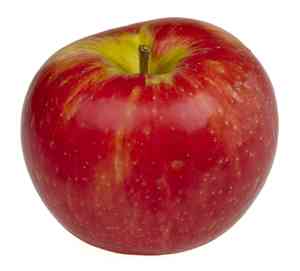
Plumleaf crab apple(Malus prunifolia)

Plumleaf crab apple (Malus prunifolia)

Also known as: Plum-leaved apple, Chinese crabapple

The plumleaf crab apple (Malus prunifolia) is a small tree often cultivated for its decorative appeal and for use as rootstock in grafting other apple varieties. While its fruit can be consumed fresh or used in preserves like jellies and jams, it is generally noted for its tart, somewhat bitter flavor.

Attributes of Plumleaf crab apple

Lifespan
Perennial
Plant Type
Shrub
Plant Height
3 m to 8 m
Spread
8 m
Leaf Color
Green
Flower Size
4 cm to 5 cm
Flower Color
White Pink

ForwardPlant - Identify plants with a snap

Identify and diagnose plants, get toxicity alerts, and explore safety guides for all types of fungi.

Try for Free

Images of Plumleaf crab apple

Plumleaf crab apple(Malus prunifolia)

Quickly Identify Plumleaf crab apple

1
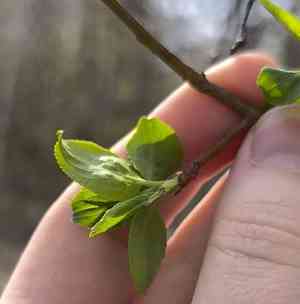
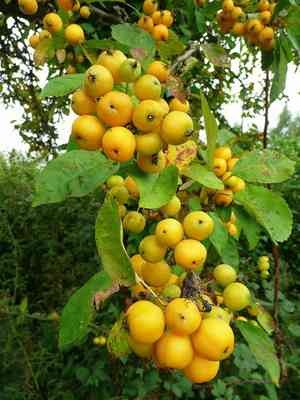
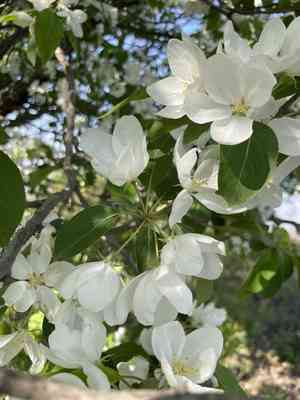
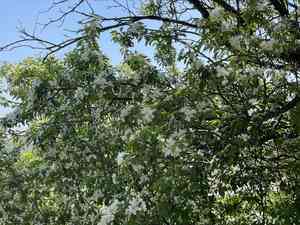
The plant can be identified by its broad, oval leaves with serrated edges, clusters of white or pink flowers in spring, and small, spherical fruits that turn red or yellow when ripe in the autumn. The bark is usually greyish-brown and the overall shape is often rounded.

Scientific Classification of Plumleaf crab apple

Phylum
Vascular plants
Class
Dicotyledons
Order
Roses, elms, figs, and allies
Family
Rose
Genus
Malus
Species
Plumleaf crab apple

Planting and Growing of Plumleaf crab apple

Care Difficulty
Easy
Watering Schedule
Every 4 days
Sunlight Requirements
Full sun
Sunshine Duration
6-10 hours
Ideal Temperature
45-75℉
Soil Type
Potting Mix, Peat Mix
Soil pH
6-7.5
Fertilizer Type
Balanced
Pruning Season
Spring, Summer
Pruning Area
Branches, Leaves
Pruning Frequency
2 times a year
Repotting Season
Spring
Pot Type
Plastic, Ceramic

water icon How to Water Plumleaf crab apple?

For Malus prunifolia, it is essential to ensure the soil is thoroughly moistened when watered. Aim for about 1000 ml of water per session, ensuring it reaches down to the roots without waterlogging. The goal is to maintain evenly moist soil that is neither too dry nor too soggy.
What are the symptoms of an underwatered Plumleaf crab apple? ›
What should I do if my Plumleaf crab apple is not getting enough water? ›
What are the symptoms of an overwatered Plumleaf crab apple? ›
How to save an overwatered Plumleaf crab apple? ›

sunlight icon What Are the Sunlight Requirements for Plumleaf crab apple?

Sunlight Requirements: Full sun, Partial sun
Duration of light: 6 to 8 hours
Malus prunifolia prefers full sun to partial sun conditions ideally. This balance permits ample photosynthesis, resulting in stronger growth, vibrant foliage, and robust fruit yield.
What is the optimal lighting environment? ›
How can I achieve the ideal light conditions? ›
What are the benefits of ideal lighting? ›
More About Sunlight Requirements Techniques→

temperature icon What Is the Ideal Temperature Range for Plumleaf crab apple?

Ideal Temperature: 45 ~ 75℉
The ideal temperature range for Malus prunifolia is between 45°F to 75°F. This range allows the plant to maintain optimal growth and fruiting. Within this range, the plant can efficiently photosynthesize and metabolize nutrients, supporting vibrant growth and healthy blooms. Consistency in temperature within this range is crucial to avoid stress, which can lead to reduced fruit quality and plant vigor.

soil icon What Soil is Best for Plumleaf crab apple?

Soil type: Loam, Sandy loam
Soil PH: 6 ~ 7.5
Malus prunifolia thrives best in well-drained soils. Proper drainage prevents waterlogging, which can lead to root rot. Well-drained conditions ensure roots receive adequate oxygen, enhancing the overall health and growth of the plant. The plant prefers soils that are moderately fertile. Fertility supports optimal growth by providing essential nutrients necessary for robust foliage and fruit production, while avoiding excessive growth which could compromise plant health. Malus prunifolia benefits from soil that retains moisture without being overly saturated. This balance is crucial to maintain consistent moisture availability, ensuring the plant's roots do not dry out while preventing water stagnation. More About Soil→

fertilize icon How to Fertilize Plumleaf crab apple?

Fertilizer type: Balanced
For Malus prunifolia, it's crucial to apply fertilizer in a way that balances growth without causing nutrient overload. Use a balanced, complete fertilizer such as a 10-10-10 formula, ensuring that each plant receives about 0.5 lb of actual nitrogen per year, adjusted based on the shrub's size and growth stage. More About Fertilizing Techniques→

prune icon How to Prune Plumleaf crab apple?

Pruning Time: Winter
Begin by establishing the main framework of the tree. Remove any dead, damaged, or diseased branches first. Choose a few strong, well-spaced branches to be the main scaffold branches and eliminate any crossing or inward-growing branches to promote an open structure. To improve light penetration and air circulation, thin out congested areas. Make thinning cuts close to the base of branches you are removing, but be careful not to cut flush with the trunk as this can damage collar tissue. If your Malus prunifolia has become overgrown, a more aggressive approach may be necessary. Gradually reduce height by cutting back branches to lateral branches and remove any suckers from the base. This should be done over several years to avoid shocking the tree. More About Pruning Techniques→

propagate icon How to Propagate Plumleaf crab apple plant?

Propagate Time: Spring,Early spring,Late winter
1
Collect seeds from mature Malus prunifolia fruits in late autumn. Clean them thoroughly to remove any fruit residue. Stratification is often required; place seeds in a moist medium and refrigerate for several weeks to break dormancy before planting.
2
Select healthy, disease-free shoots and cut them into sections approximately 10-15 cm long. Remove the leaves from the lower half of the cuttings and dip the cut end in rooting hormone. This prepares the cuttings for planting and enhances root development.
3
Select a compatible rootstock and make a clean cut on both the scion and the stock. Use techniques such as cleft or whip grafting to join them. Secure the graft with grafting tape to ensure proper healing and union of the two plant parts.
More About Propagating Techniques→

repot icon How to Repot Plumleaf crab apple plant?

Repotting frequency: Every 2-3 years
1
For Malus prunifolia, the best time to repot is when you notice roots coming out of the pot's drainage holes or the plant's growth appears stunted. This indicates that the root system has outgrown the current container, suggesting it's time for a new, more spacious pot.
2
Select a pot with a diameter 2 inches larger than the current one and with adequate drainage holes. A pot that's too large can retain excess water, risking root rot, while insufficient drainage can lead to waterlogged soil. The right pot balances growth space and drainage.
3
Opt for a loamy, well-draining mix to support healthy growth and adequate moisture retention. This type of soil prevents root rot by allowing excess water to escape while retaining the right amount of moisture needed for root uptake, supporting healthier, stronger plant growth.

ForwardPlant - Identify plants with a snap

Find the best spots for them to optimize their health, simply using your phone.

Try for Free

Toxicity of Plumleaf crab apple

Is Plumleaf crab apple toxic to cat?

The plumleaf crab apple presents a slight toxicity threat to cats, mainly due to the ingestion of its seeds in substantial quantities. If a cat is poisoned, it may display indications of physical discomfort. It is crucial for cat owners to remain alert and deter their cats from eating the seeds of the plumleaf crab apple. If a cat consumes these seeds and begins to show any signs of sickness or distress, it is vital to seek immediate medical assistance from a veterinary facility to guarantee timely and appropriate care.

Is Plumleaf crab apple toxic to dog?

Plumleaf crab apple presents a mild toxicity risk for dogs. Although the plant isn't considered highly toxic, consuming large amounts, especially the seeds, may result in poisoning. Dogs can be drawn to the fallen fruit, leading them to eat enough to cause health issues. Signs of poisoning from plumleaf crab apple include gastrointestinal distress, such as vomiting and diarrhea. It's vital for dog owners to keep a watchful eye on their pets and deter them from consuming significant quantities of this plant. Should a dog ingest plumleaf crab apple, particularly the seeds, it’s imperative to seek urgent veterinary attention to safeguard their health and well-being.

Identify toxic plants for your safety

Learn which plants are harmful to you and your pets, and make informed choices for a safer home!

Try for Free
WARNING
The judgment on toxicity and danger is for reference only. We DO NOT GUARANTEE any accuracy of such judgment. Therefore, you SHALL NOT rely on such judgment. It is IMPORTANT TO SEEK PROFESSIONAL ADVICE in advance when necessary.
More About Toxic Techniques→