How to Prune Plumleaf crab apple?
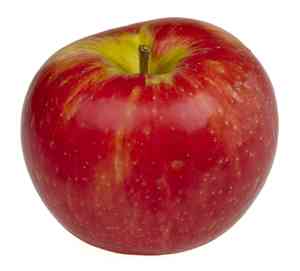
The plumleaf crab apple, a deciduous tree renowned for its vivid leaves and resilient fruit, thrives with regular trimming to improve its well-being and framework. Essential methods involve reducing dense branches, eliminating basal shoots, and sculpting for aesthetic appeal. The most effective time for pruning is in early spring, which stimulates vigorous development. Meticulous pruning ensures proper air circulation and light exposure, thereby lowering disease susceptibility and enhancing fruit excellence. Consistent trimming also helps control the tree's dimensions and simplifies harvesting.
What Are the Benefits of Pruning Plumleaf Crab Apple?
What Are the Benefits of Pruning Plumleaf Crab Apple?
Trimming plumleaf crab apple encourages development and maintains its form. Proper cutting fosters a robust structure, promoting strong vitality and an appealing visual shape.
What Is the Best Time for Pruning Plumleaf Crab Apple?
What Is the Best Time for Pruning Plumleaf Crab Apple?
Trimming plumleaf crab apple in early spring is ideal as it allows gardeners to remove any dead or damaged wood resulting from winter without disrupting the new growth cycle. It also promotes vigorous growth and maintains the plant's health and shape. Additionally, since plumleaf crab apple typically flowers on previous year's wood, early spring pruning ensures that the trimming won't interfere with the flowering and subsequent fruiting, allowing for an optimal display and yield.
What Tools Do I Need to Prune Plumleaf Crab Apple?
Hand pruners
Perfect for making clean cuts on small branches and twigs of plumleaf crab apple, given its relatively small branch diameter. Bypass pruners, in particular, are recommended for their scissor-like cutting action, which creates a clean cut and promotes healthy regrowth.
Lopping shears
Suitable for cutting larger branches of plumleaf crab apple that are too thick for hand pruners. The long handles provide leverage, making it easier to prune thicker branches without damaging the plant.
Pruning saw
Necessary for removing branches over 1.5 inches in diameter on plumleaf crab apple. A pruning saw makes it possible to cut through larger branches cleanly and with precision, which is essential to avoid tearing and to ensure proper healing.
Pole pruner
Useful for reaching higher branches of plumleaf crab apple without the need for a ladder. It allows for the safe pruning of branches that are otherwise out of reach from the ground.
Hedge shears
Appropriate for shaping and trimming the outer edges of plumleaf crab apple if it is being maintained as a hedge or for formal shaping. These shears assist in creating a neat, even appearance.
Gardening gloves
Important for protecting hands from thorns and rough bark while pruning plumleaf crab apple. They ensure a safe and comfortable grip on tools.
Disinfectant
Critical for cleaning pruning tools to prevent the spread of diseases between cuts on plumleaf crab apple. Regularly disinfecting the tools will help maintain the health of the plant.
How to Prune Plumleaf Crab Apple
Step1: Timing Pruning for Plant Health
Determine the optimal time to prune plumleaf crab apple, which is during the late winter to early spring before new growth begins. This minimizes the risk of frost damage to fresh cuts and disease transmission.
Step2: Tool Sterilization Before Pruning
Sanitize all pruning tools to prevent the spread of diseases. Use a 10% bleach solution or rubbing alcohol to clean the blades before and after use.
Step3: Removing Dead Branches
Start by eliminating any dead branches. Cut these branches at their base where they meet healthy tissue, ensuring not to harm the healthy parts of plumleaf crab apple.
Step4: Excising Diseased Limbs
Locate any branches showing signs of disease. Carefully trim away these parts, cutting well below the affected areas to ensure all diseased tissue is removed.
Step5: Trimming Storm-Damaged Limbs
Prune any damaged limbs caused by storms, pests, or mechanical injury. Make clean cuts at a 45-degree angle just above a healthy bud or branch joint to promote proper healing.
Step6: Correcting Crossed Branches
Assess the overall shape of plumleaf crab apple. Remove any branches that cross or rub against each other, as this can cause wounds and make plumleaf crab apple more susceptible to disease.
Step7: Thinning for Better Airflow
Thin out the center of plumleaf crab apple to improve air circulation. Remove select interior branches using thinning cuts (cutting branches at their point of origin from the main branch or trunk)
Step8: Preserving Natural Plant Shape
Maintain the natural shape of plumleaf crab apple as much as possible. Avoid over-pruning, which can stress plumleaf crab apple and reduce its vigor and fruit production.
Step9: Cleanup of Pruning Debris
After pruning, clean up all debris from around plumleaf crab apple to prevent potential re-infection of diseases or pests attracted to the decaying plant material.
Step10: Wound Dressing on Large Cuts
Consider applying a wound dressing on larger cuts to protect plumleaf crab apple from disease and insect infestation, although this is generally not recommended as it can slow the natural healing process.
Step11: Post-Pruning Hydration
Water plumleaf crab apple adequately after pruning to help reduce stress and encourage healthy new growth as the growing season commences.
Post-Pruning Care for Plumleaf Crab Apple
Post-Pruning Care for Plumleaf Crab Apple
Water the plant deeply to help reduce stress. Ensure plumleaf crab apple is kept in an environment with ample indirect light, moderate humidity, and stable temperatures between 60-70°F. Apply a balanced, slow-release fertilizer to support new growth. Monitor plumleaf crab apple for wilted leaves or oozing cuts, which may indicate stress or infection. If such signs appear, apply a fungicide as recommended for plumleaf crab apple and adjust care as necessary.
Common Pruning Mistakes with Plumleaf Crab Apple
Over-Pruning Causes Plant Stress
Trimming too much at once, which can stress plumleaf crab apple and lead to reduced vitality or even plant death.
Dull Tools Lead to Ragged, Disease-Prone Cuts
Using dull or dirty tools, which can result in ragged cuts that are susceptible to disease and may harm plumleaf crab apple.
Improper Cut Placement Damage Buds or Cause Disease
Cutting too close or too far from the bud, which can either damage the bud or leave a stub that can foster diseases in plumleaf crab apple.
Neglecting Plant's Natural Shape Reduces Aesthetics and Blooms
Ignoring the natural shape of plumleaf crab apple, leading to a less aesthetically pleasing form and potentially reducing flowering.
Tearing Branches Delays Healing and Increases Wound Size
Tearing the branches instead of making a clean cut, which can harm plumleaf crab apple by creating larger wounds that take longer to heal.
Common Pruning Tips for Plumleaf Crab Apple
Sharp, Clean Tools Ensure Quick Healing Cuts
Use sharp, clean tools to make precise cuts that will heal quickly, preventing disease and promoting strong growth in plumleaf crab apple.
Balanced Pruning Stimulates Growth Without Overburdening
Aim for a pruning balance, removing about one-fourth of the old wood annually to stimulate new growth without overburdening plumleaf crab apple.
Respect Natural Shape for Aesthetics and Health
Prune to maintain the natural shape of plumleaf crab apple, enhancing both its aesthetic appearance and its health by improving air circulation within the canopy.
Prioritize Removing Diseased Wood for Plant Health
Identify and remove any diseased, damaged, or dead wood first to keep plumleaf crab apple healthy, which can prevent the spread of potential issues.
Angle Cuts Above Buds for Open Growth Structure
Make angled cuts just above outward-facing buds to encourage plumleaf crab apple to develop a more open structure and to promote outward growth.
Selective Limb Removal Prevents Stubs and Improves Structure
When thinning out crowded branches, selectively remove entire limbs to the point of origin to avoid leaving stubs and to improve the structure of plumleaf crab apple.
Prune After Blooming to Preserve Seasonal Flowers
Respect the growth habit and flowering pattern of plumleaf crab apple by pruning after blooming if it flowers on last year's wood, to avoid cutting off the current season's blooms.



