How to Transplant Acerola cherry?
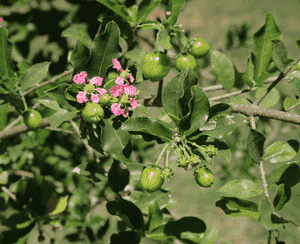
The most favorable period for relocating acerola cherry is amidst the mild temperatures of mid to late spring or the initial phase of summer, which guarantees steady establishment. Select a location bathed in sunlight, featuring soil that drains effectively. Should it be required, amend the area with organic material to foster vigorous root expansion.
Essential Preparations Before Relocating Acerola Cherry
Optimal Timing for Acerola Cherry Relocation?
Move acerola cherry during the transition from mid to late spring, once the danger of frost has passed, allowing its root system to establish without cold stress. At this time, the soil is suitably warm, promoting root development. Mild spring weather offers acerola cherry an excellent beginning, making it the prime period for transplanting. This timeframe guarantees a vigorous growth season ahead, maximizing the plant's potential to flourish.
Recommended Spacing Between Acerola Cherry Plants?
When relocating your acerola cherry, aim for a separation of approximately 9-15 feet (about 2.7-4.5 meters). This ensures each plant has ample room to grow and extend its branches.
Ideal Soil Blend for Acerola Cherry Transplanting?
Prepare your ground with well-draining soil, rich in organic matter. Before planting, incorporate some base fertilizer; compost or manure is a suitable choice for acerola cherry. This will provide a nutrient-rich foundation for your plants to thrive.
Where to Replant Your Acerola Cherry?
Select a sunny spot for your acerola cherry. They prefer a location where they can receive at least 6 hours of sunlight daily. South-facing sites are often the best option for these sun-loving plants.
Equipment Needed for Acerola Cherry Transplantation
Gardening Gloves
To safeguard your hands while handling soil and the plant.
Shovel
For digging out the acerola cherry plant, whether it's in the ground or a large container.
Pruning Shears
To trim any damaged or unnecessary parts of the acerola cherry prior to transplanting.
Gardening Fork
To gently loosen the roots if the plant is growing in seedling trays or small pots.
Watering Can
To moisten the soil in both the original and the new planting location.
Wheelbarrow or Large Bucket
To move acerola cherry from its initial spot to the new planting site without harming the plant.
Garden Trowel
To excavate the appropriately sized hole in the new location for transplanting the acerola cherry.
How to Extract Acerola Cherry from the Soil?
How to Extract Acerola Cherry from the Soil?
From Ground: First, hydrate the acerola cherry plant to moisten the soil. Use a shovel to dig a wide trench around the plant, ensuring the plant's root ball remains intact. Avoid root damage by carefully working the shovel beneath the root ball to lift the plant from its original position.From Pot: If the acerola cherry plant is in a large pot, water the soil in the pot before beginning the transplanting process. Use a trowel and gardening fork to gently loosen the soil around the pot's edges. Then, carefully tip the pot sideways and gently pull the plant out, trying not to harm the root ball.From Seedling Tray: Water the seedlings first, then use a small hand fork or a spoon to remove the acerola cherry from the seedling tray. Aim to retain as much of the root ball as possible. Carefully extract each plant individually to prevent damaging the roots of adjacent seedlings.
Detailed Guide for Transplanting Acerola Cherry
Preparation
Begin by preparing the new site. Dig a hole that is twice as wide and the same depth as the root ball of the acerola cherry. Add a layer of organic compost to the bottom of the hole for additional nutrients.
Removal
Follow the extraction process as outlined in the previous section, based on the plant's original location.
Placement
Position the acerola cherry in its new hole. Ensure it is level with the ground - it should not be planted deeper or higher than it was in its initial spot. Backfill the hole with soil, making sure there are no air pockets.
Watering
After relocating the acerola cherry to its new site, water it thoroughly. The water will help settle the soil around the plant.
Post-Transplant Care for Acerola Cherry
Protection
Even though acerola cherry is quite resilient, observe it closely for the initial few weeks. Shield it from extreme weather conditions.
Pruning
After transplanting, prune the acerola cherry if necessary. This will encourage the growth of new branches and fruits.
Watering
Keep the acerola cherry's soil moist but not waterlogged. Adjust the amount of water based on the weather conditions.
Check Growth
Monitor the growth and health of the acerola cherry regularly. Yellow leaves are a common sign of transplant shock; remove them to help the plant recover and continue watering until it becomes established.
Resolving Common Acerola Cherry Transplantation Issues.
What is the optimal time of year to transplant acerola cherry?
The preferred transplanting seasons for acerola cherry are late spring to early fall (S2-S4). It's during these periods that the plant establishes itself most effectively.
How much space should I allow between each acerola cherry when transplanting?
When transplanting acerola cherry, ensure you leave between 9-15 feet (2.7 to 4.5 meters). This adequate spacing allows for optimal growth and fruit production.
What should be the depth of the hole when transplanting acerola cherry?
The hole should be twice the width and the same depth as the root ball. This provides the roots with ample space to spread and absorb nutrients efficiently.
What kind of soil is best for transplanting acerola cherry?
Acerola cherry thrives in well-draining soil. It prefers sandy or loamy soil with a pH of 6.0 to 7.5. Ensure the soil is rich in organic matter.
How do I ensure successful transplanting of acerola cherry?
Water the plant thoroughly before and after transplanting. Also, make sure the root ball is level with the ground (or slightly above) after planting.
Do I need to prune acerola cherry before transplanting?
No, pruning is not necessary. However, remove any dead or damaged branches, but avoid heavy pruning as it may stress the plant.
How frequently should I water the acerola cherry after transplantation?
Water the acerola cherry thoroughly upon planting, then regularly for the first few weeks. Once established, you can reduce watering, but keep the soil moderately moist.
How should I care for the acerola cherry after transplanting?
Aside from regular watering, apply a balanced fertilizer every two months. Also, ensure it receives full sun exposure and protect it from extreme weather conditions.
How long until the acerola cherry starts bearing fruit after transplantation?
Assuming ideal conditions, you can expect fruit from the acerola cherry approximately two years after transplanting. Consistent care and suitable conditions can accelerate this process.
Why is my transplanted acerola cherry wilting or losing leaves?
This might be a symptom of transplant shock. Keep it well watered but avoid over-watering. Also, ensure it's receiving sufficient light and not exposed to extreme temperatures.



