How to Prune Acerola cherry?
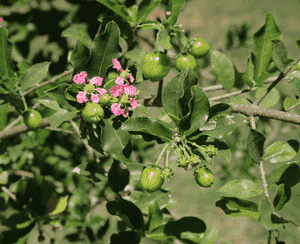
Prized for its vitamin C-abundant fruit, the acerola cherry flourishes with appropriate trimming. During its inactive period in colder months, judiciously eliminate deceased or excessively dense branches to improve air movement and sun penetration, which is vital for fruit yield. Yearly trim for form and dimension control, concentrating on preserving a symmetrical framework. Prompt trimming not only encourages development but also deters ailments, guaranteeing a robust and fruitful acerola cherry. Execute cuts precisely at a 45-degree incline to aid swift recovery.
What Are the Benefits of Pruning Acerola Cherry?
What Are the Benefits of Pruning Acerola Cherry?
Trimming acerola cherry promotes a sturdy framework capable of bearing its fruit. Strategic cuts help maintain an ideal shape for sun exposure and air circulation, encouraging vigorous development and keeping the plant well-proportioned.
What Is the Best Time for Pruning Acerola Cherry?
What Is the Best Time for Pruning Acerola Cherry?
For acerola cherry, the period from late winter to early spring, just before the active growth phase begins, is optimal for pruning. This timing ensures that any cuts made will heal quickly as the growing season commences. Pruning during this time stimulates robust new growth, which is vital for fruit production since acerola cherry flowers and fruits on new growth. Additionally, since the plant is dormant in winter, it minimizes stress and the risk of disease infection through pruning wounds. This season also provides a clearer view of the acerola cherry's structure without foliage, allowing for more precise cuts and maintenance of the desired shape and size.
What Tools Do I Need to Prune Acerola Cherry?
Hand Pruners
Perfect for cutting small branches and twigs of acerola cherry, hand pruners offer precise cuts for shaping the plant or removing dead and diseased wood. Opt for bypass pruners for clean cuts that don't crush branches.
Loppers
Useful for reaching higher branches and cutting thicker stems that hand pruners can't manage, loppers provide extra leverage and can cut branches up to two inches thick, suitable for mature acerola cherry.
Pruning Saws
For branches thicker than loppers can handle, pruning saws can cut through dense wood without harming acerola cherry. A sharp, curved blade saw is recommended for efficiency.
Hedge Shears
Acerola cherry can be grown as a hedge, and for shaping these hedges, hedge shears are the ideal tool. They allow for trimming and shaping foliage with even, straight cuts.
How to Prune Acerola Cherry
Clean Tools
Before you begin, sterilize pruning tools with a bleach or alcohol solution to prevent infection to acerola cherry.
Remove Dead
Identify and cut away any dead branches from acerola cherry using sharp, clean shears. Make cuts at a 45-degree angle just above a leaf node or bud to encourage new growth.
Eliminate Diseased
Examine acerola cherry for any signs of disease, and prune diseased branches immediately to prevent spread. Ensure to cut well below the affected area into healthy tissue.
Dispose
Dispose of the removed dead and diseased material far from acerola cherry to prevent any potential re-infection or pests that may reside in the plant debris.
Clean Up
After pruning, clean the tools again and apply a thin layer of oil to prevent rust. Sweep up the area around acerola cherry to maintain a tidy environment for optimal plant health.
Common Pruning Mistakes with Acerola Cherry
Over-Pruning
Removing too much foliage at once can stress acerola cherry, weaken its growth, and reduce its yield. Aim to remove no more than one-third of the overall growth in a single pruning session.
Improper Cut Placement
Cutting too close to the main stem or leaving large stubs can result in uneven healing and possible entry points for pests or diseases. It's important to make clean cuts just above leaf nodes or lateral branches.
Using Dull Tools
Dull pruning tools can cause jagged cuts, which can damage acerola cherry and lead to disease. Always use sharp tools to make clean, precise cuts.
Ignoring Dead Or Diseased Branches
Failing to remove dead or diseased branches can inhibit the growth of acerola cherry and encourage the spread of disease. Regularly inspect and promptly remove any unhealthy branches.
Neglecting Formative Pruning
Forgetting to shape acerola cherry during its early years can lead to weak structure and poor fruit production later on. Formative pruning is crucial for establishing a strong framework.
Common Pruning Tips for Acerola Cherry
Cleanliness
Start with sterilized pruning tools to prevent transferring diseases to acerola cherry. Clean the tools before and after use to maintain good plant health.
Selective Thinning
Thin out dense growth to allow sunlight and air to penetrate the canopy, which encourages healthy fruit development and reduces disease risk. Focus on removing crossing, inward-growing, and weak branches.
Maintaining Structure
Prune acerola cherry to maintain an open, vase-like structure. This helps to support fruit production and facilitates ease of harvest.
Promote New Growth
Encourage fresh, fruitful growth by removing older, non-productive branches. This invigorates acerola cherry and can lead to more vigorous and productive growth.
Persistence
Regularly check acerola cherry for pruning needs throughout the growing season. Little and often is a good approach, as opposed to drastic, infrequent pruning sessions.



