How to Transplant Fustic tree?
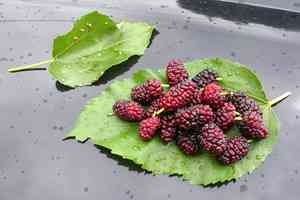
The most favorable period for relocating a fustic tree spans from the onset of spring's vitality until the flowering of late spring, since moderate temperatures and adequate hydration facilitate root development. Select a sunny spot with soil that drains effectively to guarantee the fustic tree thrives. Gentle Nudge: Gradually introduce the fustic tree to its new environment to avoid stress!
What Preparations are Needed Before Transplanting Fustic Tree?
What is the Ideal Time for Transplanting Fustic Tree?
The optimal period for moving fustic tree spans from the start of spring through early summer. Relocating fustic tree during this timeframe leverages the mild temperatures and increasing daylight, which are crucial for root development prior to the intense summer heat. This interval ensures fustic tree has sufficient time to adapt and strengthen its root system in moderate soil, leading to vigorous growth once warmer weather fully arrives.
How Much Space Should You Leave Between Fustic Tree Plants?
First, allow your fustic tree ample room to thrive. Placing them 15-20 feet (4.5-6 meters) apart will provide the necessary space for development and ensure they receive abundant sunlight and air circulation.
What is the Best Soil Mix for Fustic Tree Transplanting?
Your fustic tree will flourish in well-drained soil. Aim for a loamy or sandy composition for optimal outcomes. Before transplanting, enrich the soil with a balanced, slow-release fertilizer to give your fustic tree a nutritional boost. A pH range of 7.2 to 7.8 is perfect for fustic tree, so you may want to test the soil's pH and adjust as needed.
Where Should You Relocate Your Fustic Tree?
When selecting a site for your fustic tree, ensure it's a sunny spot! Fustic tree thrives in full sunlight, meaning at least 6 hours of direct sun daily. This will promote healthy growth and aid in the plant's overall development.
What Equipments Should You Prepare Before Transplantation Fustic Tree?
Gardening Gloves
To safeguard your hands while handling soil and plants.
Shovel or Spade
For digging around and beneath the plant for removal.
Wheelbarrow or Garden Cart
To safely transport the uprooted fustic tree to its new spot.
Pruning Shears
To trim any dead or damaged roots before replanting.
Watering Can or Hose
To hydrate the fustic tree before and after its relocation.
Measuring Tape
To assist in spacing the transplant location and ensuring correct planting depth.
Mulch
To help maintain soil moisture and regulate temperature post-transplant.
Plant Supports/Stakes
To stabilize the fustic tree until its root system is established, if required.
How Do You Remove Fustic Tree from the Soil?
How Do You Remove Fustic Tree from the Soil?
From Ground: Water the fustic tree plant to moisten the soil, then excavate a wide trench around the plant using a shovel or spade. Ensure a sufficiently large root ball remains intact, and carefully lift the plant from its original position.From Pot: Tilt the container sideways and gently tap it to dislodge the fustic tree from its pot. Support the fustic tree by its base and guide it out with minimal root disturbance.From Seedling Tray: Use a spoon or small tool to loosen the soil around the seedling's base. Gently hold the fustic tree by its leaves, not the stem, to lift it with the root ball intact.
Step-by-Step Guide for Transplanting Fustic Tree
Preparation
Water the fustic tree plant thoroughly the day before transplanting to ensure the root ball is moist, which will help lessen transplant shock.
Root Ball
Use the shovel or spade to excavate a generous portion of the root ball to prevent root damage during removal.
Lifting
Carefully lift the fustic tree from its current spot by sliding the spade under the root ball and gently raising it from the ground or container.
Transport
Place the fustic tree onto a wheelbarrow or garden cart and move it to the new transplanting location.
Planting Hole
Dig a hole that's twice the width of the root ball but the same depth, to avoid burying the fustic tree too deeply.
Placement
Position the fustic tree in the center of the hole, ensuring it stands straight and at the same depth it was growing previously.
Backfill
Fill the hole with the excavated soil, gently firming it around the root ball to prevent air pockets.
Watering
Water the fustic tree deeply after planting to settle the soil around the roots and help reduce transplant shock.
Mulching
Apply an even layer of mulch around the fustic tree, leaving some space around the stem to prevent rot.
How Do You Care For Fustic Tree After Transplanting?
Stabilization
Utilize plant supports or stakes if the fustic tree is unstable or top-heavy, securing it loosely to prevent stem damage.
Watering
Keep the soil around the fustic tree consistently moist, especially during the initial weeks post-transplant, to aid root establishment.
Monitoring
Regularly inspect the fustic tree for signs of stress, such as wilting leaves, and adjust care as needed.
Pruning
Trim any dead or damaged branches to encourage healthy growth and direct the fustic tree's energy towards establishing itself in its new location.
Troubleshooting Common Issues with Fustic Tree Transplantation.
When is the best time to transplant fustic tree?
The optimal window for transplanting fustic tree is from early to late spring, when new growth is just beginning.
How far apart should I space fustic tree when transplanting?
Ideally, position fustic tree approximately 15-20 feet apart (4.5-6 meters) to ensure ample growing space.
What are signs of transplant shock in fustic tree?
Yellowing or dropping leaves and stunted growth can indicate transplant shock in fustic tree.
How deep should the hole be for transplanting fustic tree?
Dig a hole twice as wide as the root ball and the same depth to promote healthy growth.
Can I transplant fustic tree in the summer?
Transplanting fustic tree in summer is risky due to heat; spring transplanting yields superior results.
Why is my transplanted fustic tree wilting?
Wilting after transplanting can occur due to insufficient water or root damage during the move.
How much should I water fustic tree after transplanting?
Water fustic tree thoroughly upon planting and maintain moist but not soggy soil to encourage root establishment.
What should I do if the leaves of fustic tree turn brown after transplanting?
Browning leaves may signal root distress. Ensure proper watering and avoid fertilizers until growth resumes.
How can I prepare the root ball of fustic tree for transplanting?
Gently loosen the root ball to encourage roots to spread out in the new location.
Do I need to amend the soil when transplanting fustic tree?
It's beneficial to mix compost with the native soil to enhance nutrient content and drainage.



