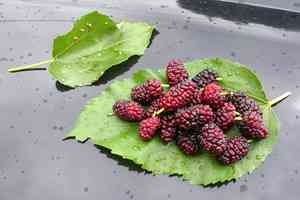
Fustic tree(Maclura tinctoria)

Fustic tree (Maclura tinctoria)

Also known as: Fustic mulberry, Fustic

The fustic tree (Maclura tinctoria) boasts a variety of appealing qualities that make it an excellent garden choice:

1. **Natural Dye Source:** Its wood produces a vivid yellow dye, traditionally used for coloring textiles and crafts in an eco-friendly manner.
2. **Insect Resistance:** Its robust nature makes it less susceptible to insect pests, ideal for organic gardening.
3. **Wildlife Magnet:** The tree’s sweet fruit attracts numerous bird species, enhancing garden biodiversity.
4. **Historical Significance:** Valued for centuries, the fustic tree brings a touch of history and uniqueness to your garden.

These attributes make the fustic tree a valuable and intriguing addition to any garden.

Attributes of Fustic tree

Lifespan
Perennial
Plant Type
Tree
Plant Height
20-30 meters
Spread
10-20 meters
Leaf Color
Green
Flower Size
0.5-1 cm
Flower Color
Yellow-green

ForwardPlant - Identify plants with a snap

Identify and diagnose plants, get toxicity alerts, and explore safety guides for all types of fungi.

Try for Free

Images of Fustic tree

Fustic tree(Maclura tinctoria)

Quickly Identify Fustic tree

1
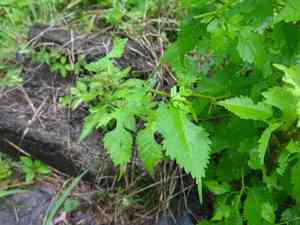
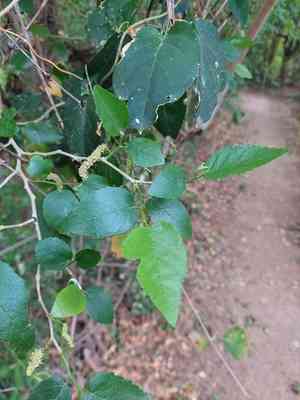
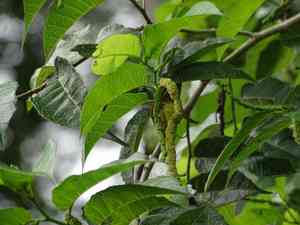
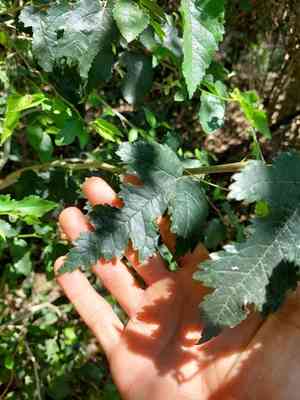
Identify Maclura tinctoria by its rough, fissured bark, large alternate leaves, and round greenish-yellow fruit. The tree often has a broad, spreading crown.

Scientific Classification of Fustic tree

Phylum
Vascular plants
Class
Dicotyledons
Order
Rosales
Family
Mulberry
Genus
Maclura
Species
Fustic tree

Planting and Growing of Fustic tree

Care Difficulty
Easy
Watering Schedule
Every 2 days
Sunlight Requirements
Full sun
Sunshine Duration
6-8 hours
Ideal Temperature
68-79℉
Soil Type
Potting Mix, Peat Mix
Soil pH
6.5-7.5
Fertilizer Type
Balanced
Pruning Season
Spring, Summer
Pruning Area
Branches, Leaves
Pruning Frequency
2 times a year
Repotting Season
Spring
Pot Type
Plastic, Ceramic

water icon How to Water Fustic tree?

For Maclura tinctoria, the watering amount should suffice to moisten the soil without waterlogging it. Typically, 500 ml per session is ideal, ensuring deep penetration to reach the roots. Water until the soil is evenly moist but not soggy, as excess moisture can lead to root rot.
What are the symptoms of an underwatered Fustic tree? ›
What should I do if my Fustic tree is not getting enough water? ›
What are the symptoms of an overwatered Fustic tree? ›
How to save an overwatered Fustic tree? ›

sunlight icon What Are the Sunlight Requirements for Fustic tree?

Sunlight Requirements: Full sun, Partial sun
Duration of light: 6 to 10 hours
Maclura tinctoria ideally needs full sun to partial sun exposure, thriving with 6 to 10 hours of light. This lighting promotes extensive photosynthesis, vibrant growth, and maximizes dye production.
What is the best lighting setup? ›
How can you ensure optimal light absorption? ›
What benefits does ideal lighting provide? ›

temperature icon What Is the Ideal Temperature Range for Fustic tree?

Ideal Temperature: 68 ~ 79℉
For optimal growth, Maclura tinctoria thrives best in temperatures ranging between 68°F and 79°F. Within this range, the plant is able to carry out physiological processes like photosynthesis efficiently, leading to healthy growth and development. Maintaining this temperature range ensures that the plant receives the necessary warmth without stressing its metabolic functions.

soil icon What Soil is Best for Fustic tree?

Soil type: Loam, Sandy loam
Soil PH: 6.5 ~ 7.5
Maclura tinctoria thrives best in nutrient-rich soil that provides adequate organic matter. This ensures the plant has access to essential nutrients for growth and health, promoting lush foliage. Well-drained soil prevents waterlogging and root rot, critical for Maclura tinctoria. Adequate drainage allows roots to breathe and maintain a healthy balance of oxygen and moisture. The soil should retain a moderate level of moisture without becoming soggy. Consistent moisture supports the plant's metabolic processes and sustained growth.

fertilize icon How to Fertilize Fustic tree?

Fertilizer type: Balanced
Maclura tinctoria thrives with a balanced approach to fertilization. Each time you fertilize with liquid solutions, aim for about half a gallon per mature plant, ensuring the soil is moist beforehand to prevent root burn. For solid fertilizers, sprinkle at least 3 ounces evenly around the base, extending outward to the edge of the leaf canopy to encourage wider root growth and nutrient absorption.

prune icon How to Prune Fustic tree?

Pruning Time: Spring, Autumn
Begin by identifying any dead or diseased branches, which should be pruned immediately to prevent the spread of disease. Use clean, sharp pruning shears to make cuts at a slight angle just above a healthy bud or branch junction. Once the unhealthy parts are removed, trim back overgrown branches to maintain the tree's shape and improve air circulation. This is particularly important for the dense canopy of Maclura tinctoria. Be sure to step back periodically to assess symmetry and balance. Finally, clear away any debris to prevent the attraction of pests. More About Pruning Techniques→

propagate icon How to Propagate Fustic tree plant?

Propagate Time: Spring,Summer
1
Harvest mature seeds from healthy Maclura tinctoria fruits. Clean them thoroughly to remove any pulp or debris before drying them out for storage or direct sowing.
2
Select healthy, semi-hardwood cuttings from the parent plant. Each cutting should be about 6-8 inches long and contain at least two nodes for successful rooting.
3
Sow the cleaned seeds in a well-draining soil mix. Ensure they are spaced properly to give each seedling room to grow, and water them lightly to promote germination.
More About Propagating Techniques→

repot icon How to Repot Fustic tree plant?

Repotting frequency: Every 2-3 years
1
Maclura tinctoria needs repotting when you notice roots curling around the edges of the pot or poking through drainage holes. Additionally, if the plant's growth appears stunted or the soil degrades and compacts, it's a sign to repot. Choose a time in spring or early summer when the plant is in its active growing phase, ensuring it can recover swiftly.
2
Select a pot that's just slightly larger than the current one, ideally with ample drainage holes. This prevents waterlogging, promotes healthy root aeration, and provides just enough space for growth without overwhelming the plant. The pot material, whether clay or plastic, should suit your environment; clay breathes well, while plastic retains moisture.
3
Opt for a well-draining, loamy soil mixture rich in organic matter, which ensures adequate nutrient availability and optimal moisture retention without causing root decay. Incorporating materials like perlite or sand can improve drainage while maintaining soil structure, promoting healthy root growth.

ForwardPlant - Identify plants with a snap

Find the best spots for them to optimize their health, simply using your phone.

Try for Free