How to Prune Fustic tree?
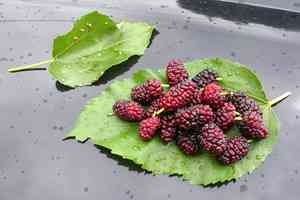
Celebrated for its yellow pigment and robust timber, the fustic tree flourishes with appropriate upkeep. Essential trimming methods involve reducing crowded branches and eliminating deceased or ailing wood to enhance air movement and light exposure. The most effective pruning takes place in late winter or early spring, while the tree is inactive, to encourage robust development. Particular attention should be paid to executing precise cuts to avert illness and focusing on sections that augment the tree's inherent shape. Pruning results in a more resilient framework and can stimulate fruit yield in this variety.
Advantages of Trimming Fustic Tree
Advantages of Trimming Fustic Tree
Trimming fustic tree promotes robust development and helps maintain its desired form. Consistent cutting eliminates old, weak branches, fostering a strong structure and revitalizing the tree's overall health.
Optimal Period for Trimming Fustic Tree
Optimal Period for Trimming Fustic Tree
The ideal time to trim fustic tree is during late winter and early spring, before the new growth cycle begins. Pruning at these times minimizes plant stress, as fustic tree is still dormant and hasn't used energy for new leaves or flowers. Late winter pruning offers better visibility of the structure without foliage, allowing for more accurate cuts. Early spring pruning, as the plant starts to emerge from dormancy, enables fustic tree to recover quickly from pruning wounds and direct energy into producing strong, healthy new growth. These seasons help avoid cutting during flowering or fruiting, which can negatively impact current and future production.
Tools Required for Trimming Fustic Tree
Hand Pruners
Hand pruners, also known as secateurs, are crucial for cutting thin branches and twigs on fustic tree. They provide precision and are perfect for making clean cuts on smaller growths up to ¾ inches in diameter, which encourages healthy regrowth.
Lopping Shears
For branches that are somewhat thicker, typically up to 1½ to 2 inches in diameter, lopping shears are highly recommended for fustic tree. Their extended handles offer leverage, making pruning less strenuous.
Pruning Saw
When dealing with fustic tree's branches exceeding 2 inches in diameter, a pruning saw is essential. Its sharp teeth can cut through thick wood without causing unnecessary harm to the plant's structure.
Pole Pruner
In situations where fustic tree's branches are high and out of reach, a pole pruner is very useful. It allows the gardener to trim branches from the ground, ensuring safety and access without needing a ladder.
Hedge Shears
If shaping hedges or managing fustic tree's new growth, hedge shears can efficiently trim and shape the foliage. They are beneficial for maintaining a neat hedge line or a specific form.
How to Trim Fustic Tree
Identification
Locate dead and diseased branches by looking for those that are no longer producing leaves, appear dry, or show visible signs of fungal disease or decay.
Sanitation
Clean and sterilize your pruning tools with a solution of one part bleach to nine parts water to prevent disease transmission when cutting into the fustic tree.
Cutting Technique
Use sharp and appropriately sized pruning shears or a saw for larger branches. For dead branches, cut at the base where the dead wood meets the living tissue. For diseased branches, cut at least 6 inches into healthy wood to ensure complete removal of all infected parts.
Disposal
Dispose of the removed dead or diseased branches immediately and do not compost them, as they might spread pathogens to healthy parts of fustic tree or to other plants.
Seal Wounds
Seal larger wounds with a tree wound pruning sealer to protect fustic tree from infections and pests, though this is optional and a debated practice among horticulturists.
Common Trimming Errors with Fustic Tree
Over-Pruning
Removing too much foliage at once can stress fustic tree, leading to stunted growth or making it more vulnerable to diseases.
Improper Cuts
Incorrect cutting methods, such as leaving stubs or tearing bark, can create entry points for pests and diseases in fustic tree.
Neglecting Tool Hygiene
Fustic tree can be affected by the spread of diseases from contaminated pruning tools. Not sterilizing equipment before use is a frequent error.
Ignoring Deadwood
Failing to regularly remove dead or diseased branches from fustic tree can hinder healthy growth and attract pest infestations.
Pruning Without A Plan
Random or unplanned cuts can result in an undesirable shape and may harm the natural growth habit of fustic tree.
General Trimming Advice for Fustic Tree
Sharp Tools
Use clean, sharp pruning shears to make precise cuts that will heal quickly, minimizing stress on fustic tree.
Cutting Angle
Make cuts at a 45-degree angle about 1/4 inch above a bud pointing away from the center of fustic tree, to encourage outward growth.
Selective Thinning
Thin out crowded branches to improve light penetration and air circulation, crucial for the health of fustic tree.
Branch Collar Preservation
When removing larger branches, cut just outside the branch collar without cutting into it, to promote faster healing in fustic tree.
Regular Inspection
Inspect fustic tree regularly for signs of disease or pest problems and prune as needed to remove affected areas promptly.



