How to Transplant Amur maackia?
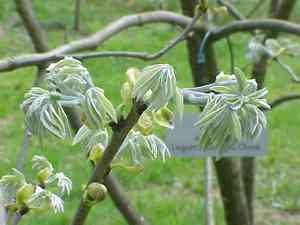
The optimal period for relocating amur maackia is in the spring seasonâspecifically from mid-spring through late spring, extending to the beginning of summerâto ensure robust establishment. Choose a location featuring soil that drains effectively and receives partial sunlight. Ideally, position amur maackia in a site protected from strong gusts.
What Preparations are Needed Before Transplanting Amur Maackia?
What is the Ideal Time for Transplanting Amur Maackia?
The optimal period for relocating amur maackia is during the pleasant warmth of late spring to early summer. This timeframe provides an excellent combination of mild temperatures and active growth, ensuring amur maackia establishes itself well in its new spot without the stress of colder periods. Moving amur maackia at this time not only leverages favorable weather but also aligns with its natural growth cycle, promoting stronger root development and a smooth transition to its fresh environment. Therefore, choose the season of natural revitalization to transplant amur maackia for the best start in its new home.
How Much Space Should You Leave Between Amur Maackia Plants?
When moving amur maackia, ensure ample room for each specimen. Aim for a separation of approximately 10-12 feet (3-3.7 meters) between plants. This will provide your amur maackia sufficient area to develop and flourish without competing for nutrients.
What is the Best Soil Mix for Amur Maackia Transplanting?
The soil for amur maackia should be well-drained and slightly acidic. Utilize a foundational fertilizer with a balanced blend of nitrogen, phosphorus, and potassium to supply all necessary nutrients. This will create fertile ground for your amur maackia to thrive.
Where Should You Relocate Your Amur Maackia?
Amur maackia enjoys sunlight but also benefits from some shade. Replant it in a spot that receives ample morning or late afternoon sun, yet is shielded from intense midday rays. This will help your amur maackia grow robust and healthy.
What Equipments Should You Prepare Before Transplantation Amur Maackia?
Gardening Gloves
To safeguard your hands while handling soil and the plant.
Shovel or Spade
For excavating soil around the plant at both its original and new sites.
Pruning Shears
To trim off any damaged or dead roots from the plant prior to transplanting.
Wheelbarrow or Garden Cart
To safely move the plant from one location to another.
Watering Can or Garden Hose
To thoroughly hydrate the plant after relocation.
How Do You Remove Amur Maackia from the Soil?
How Do You Remove Amur Maackia from the Soil?
From Ground: First, ensure you thoroughly water the amur maackia plant to moisten the soil. This will facilitate the removal process and reduce stress on the plant. Afterward, dig a wide circle around the plant with a shovel or spade, making sure to keep a safe distance to avoid damaging the root system. Gradually work your spade beneath the root ball, being careful not to sever any roots. Once you feel the roots are loose, gently lift the plant from the ground, ensuring the root ball remains intact.From Pot: For potted plants, pre-watering is also crucial. Then, carefully tilt the pot onto its side and gently extract the plant, ensuring to support the root ball to prevent it from breaking apart. If the plant is stuck, you might need to tap the pot's sides to loosen it.From Seedling Tray: For young, delicate seedlings in a tray, use a small utensil, such as a spoon, to lift out the soil and roots surrounding each seedling. Always handle by the leaves, not the stem, which can be easily harmed.
Step-by-Step Guide for Transplanting Amur Maackia
Preparation
Ensure you have already selected an appropriate new location for the amur maackia plant based on its requirements, and have prepared the soil accordingly.
Hole Digging
Excavate a hole that is twice the width and equal in depth to the amur maackia plant's root ball using your shovel or spade. This will provide ample room for the roots to spread.
Placement
Position the amur maackia plant in the hole, making sure the top of the root ball is level with the ground surface. Backfill the hole with soil, gently firming it around the plant's base.
Watering
Thoroughly water the amur maackia plant after transplanting. This aids in settling the soil and minimizing transplant shock.
How Do You Care For Amur Maackia After Transplanting?
Pruning
Trim the amur maackia plant as necessary to maintain its form or size, but remember to do so during the plantâs dormant period to prevent stress.
Mulching
Apply a layer of mulch around the base of the amur maackia plant to help retain moisture and inhibit weed growth. This should be done immediately after transplanting.
Monitoring
Regularly observe the amur maackia plant for indications of transplant shock, which may include wilting, yellowing, or dropped leaves. If symptoms persist, review the plantâs watering and lighting conditions.
Troubleshooting Common Issues with Amur Maackia Transplantation.
What is the best time of the year to transplant amur maackia?
The ideal season for relocating amur maackia is between late summer and early autumn.
What should be the ideal spacing for amur maackia?
To allow amur maackia sufficient room to grow, position them 10-12 feet (3-3.7 meters) apart.
Is it necessary to water amur maackia right after transplanting?
Yes, watering amur maackia immediately after transplanting is crucial. It helps to settle the soil around the roots.
How deep should the transplant hole be for amur maackia?
The transplant hole should be twice the width of the root ball and equivalent to its height.
Why are my transplanted amur maackia leaves going yellow?
Yellow leaves could be a result of overwatering or inadequate drainage. Ensure that your amur maackia is not overwatered and the soil drains effectively.
What should I do if my transplanted amur maackia shows no growth?
First, confirm amur maackia is watered appropriately and receives sufficient light. If no growth continues, it might indicate a nutritional deficiency, so consider using a balanced fertilizer.
Should I mulch around my newly transplanted amur maackia?
Yes, applying a layer of mulch can help conserve moisture, regulate soil temperature, and deter weeds.
In what kind of soil does amur maackia grow best?
Amur maackia adapts to various soil types, but for optimal growth, plant in well-drained, sandy or loamy soil with a neutral to slightly acidic pH.
Can I prune my amur maackia after transplanting?
Avoid pruning amur maackia immediately after transplanting. Allow it to establish itself for a year, then prune for shaping or removing any dead or damaged branches.
My transplanted amur maackia seems to be wilting, why?
Wilting could be a symptom of transplantation shock. Ensure you're not underwatering or overwatering, and the plant is not exposed to extreme temperature fluctuations. Don't worry, with proper care, it's likely to recover.



