How to Prune Amur maackia?
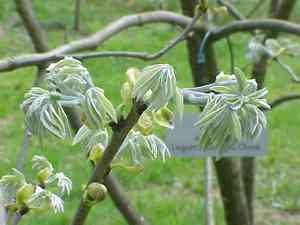
A deciduous leguminous plant featuring creamy-white blossoms and pinnate foliage, amur maackia flourishes when trimmed to preserve its form and enhance air circulation. Essential methods involve reducing dense branches, eliminating deceased or ailing wood, and strategic cutting for shaping. The most effective time for pruning is from late winter to early spring, aligning with the conclusion of its dormant period. Pruning at this juncture fosters robust development and blooming, simultaneously averting strain on amur maackia during its active growth stages.
Advantages of Trimming Amur Maackia
Advantages of Trimming Amur Maackia
Trimming amur maackia promotes robust development and maintains its desired form. Strategic cuts enhance light penetration and air circulation, fostering a strong structure and reducing disease risk.
Optimal Time for Trimming Amur Maackia
Optimal Time for Trimming Amur Maackia
Trimming amur maackia in late winter to early spring aligns with the plant's dormant period before new growth emerges. This timing allows for the removal of any dead or damaged branches without affecting the plant's bloom, as it flowers in mid-summer. Pruning during this window minimizes the risk of disease and pest infestation, as cuts can heal quickly with the arrival of spring growth. Furthermore, the absence of leaves at this time provides better visibility of the plant's structure, enabling more precise and effective trimming.
Tools Required for Trimming Amur Maackia
Hand Pruners
Perfect for making clean cuts on branches up to 3/4 inches thick, such as those found on a young amur maackia. They help maintain plant health by allowing precise removal of diseased or damaged wood.
Lopping Shears
Utilized for cutting thicker branches, typically 1 1/2 to 2 inches in diameter, which may be present on an older or more mature amur maackia. Their long handles provide leverage for cutting through tough wood.
Pruning Saw
Crucial for cutting branches over 2 inches thick, necessary when amur maackia has mature, thick branches that require removal for shaping or health reasons.
Hedge Shears
While not essential, they can be used for shaping amur maackia if a formal hedge appearance is desired. Suitable for snipping through softer, thinner growth rather than larger, woody branches.
Pole Pruner
Beneficial for reaching higher branches on amur maackia without needing a ladder, allowing for safe pruning from the ground. They can cut branches up to 1 1/2 inches in diameter.
Pruning Gloves
Hand protection when trimming amur maackia is important, as it prevents scratches and provides a better grip on the tools.
How to Trim Amur Maackia
Cleanliness
Before trimming amur maackia, disinfect pruning tools with rubbing alcohol or a household cleaner to prevent disease transmission.
Inspection
Carefully examine amur maackia to identify dead and diseased branches. Look for branches that are discolored, show signs of fungal growth, or are no longer producing foliage.
Cutting
Gently remove dead branches by making clean cuts at a 45-degree angle with sharp pruning shears or a saw, depending on thickness. Ensure cuts are made just outside the branch collar without damaging it, to promote proper healing.
Diseased Branches
Isolate and trim diseased branches from amur maackia similarly to dead branches, but remove an additional portion of healthy tissue beyond the visible infection to ensure complete removal of diseased parts.
Disposal
After trimming amur maackia, properly dispose of the dead and diseased branches by burning them or placing them in yard waste. Do not compost as diseases could spread to other plants.
Common Trimming Errors with Amur Maackia
Excessive Pruning
Removing too much foliage can stress amur maackia, leading to reduced vigor and fewer flowers.
Incorrect Cut Placement
Cutting too far from a bud, node, or the trunk can result in stubs that may attract pests or diseases.
Using Dull Tools
Trimming with blunt instruments can damage branches, resulting in jagged cuts that heal poorly.
Tearing Limb
Attempting to remove large limbs without proper technique can cause tearing, harming amur maackia's trunk and inviting disease.
Trimming Healthy Wood
Unnecessarily cutting away healthy growth can impede amur maackia's natural shape and robustness.
Neglecting Sanitation
Failing to sanitize tools between plants can spread diseases to amur maackia.
General Trimming Advice for Amur Maackia
Sharp Tools
Use sharp, clean pruning shears or saws to make clean cuts that amur maackia can heal from rapidly.
Angle Of Cut
Cut at a 45-degree angle away from buds to avoid water accumulation and promote proper healing.
Identify Growth Nodes
Trim just above outward-facing buds or nodes to encourage amur maackia to develop a more open, healthy canopy.
Gradual Approach
Take a gradual approach to trimming, assessing the amur maackia's shape and health after each cut.
Cleanliness
Disinfect tools before and after trimming to prevent the transmission of pathogens to or from amur maackia.
Remove Dead Material
Focus on removing dead, dying, or diseased wood to improve amur maackia's health and appearance.



