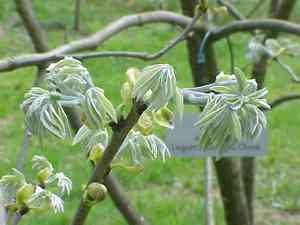
Amur maackia (Maackia amurensis)
Also known as: Amur Maackia, Manchurian Maackia
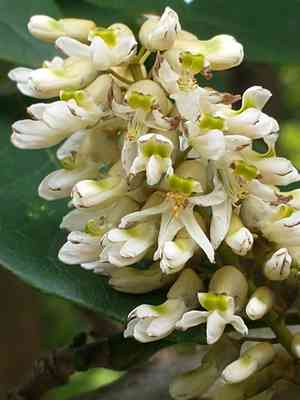
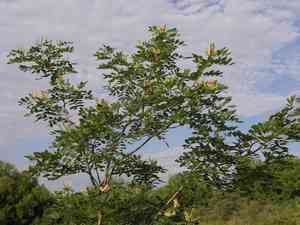
Amur maackia (Maackia amurensis) stands out in cultivation due to its unique peeling bark, which offers visual interest throughout the year. This medium-sized tree features fragrant white flowers that bloom in late summer, enhancing its ornamental value. Its popularity is also attributed to its resilience; it thrives in various conditions, including drought, heavy soils, and cold climates, making it a low-maintenance and versatile choice for gardeners.
In This Article
Attributes of Amur maackia
Lifespan
Perennial
Plant Type
Tree, Shrub
Plant Height
6 m to 9 m
Spread
4.5 m to 8 m
Leaf Color
Green Blue Gray Silver
Flower Size
2.5 cm
Flower Color
White
Images of Amur maackia
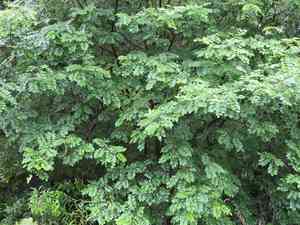
Quickly Identify Amur maackia
1
Peeling amber-brown bark for unique texture and visual appeal.
2
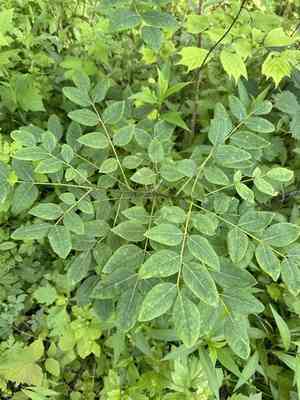
Compound leaves with 5-7 ovate leaflets, dark green upper side, prominent veins.
Scientific Classification of Amur maackia
Phylum
Vascular plants
Class
Dicotyledons
Order
Fabales
Family
Legume
Genus
Maackia
Species
Amur maackia
Planting and Growing of Amur maackia
Care Difficulty
Easy
Watering Schedule
Every 3 days
Sunlight Requirements
Full sun
Sunshine Duration
4-8 hours
Ideal Temperature
50-77℉
Soil Type
Potting Mix, Peat Mix
Soil pH
5.5-7.5
Fertilizer Type
Balanced
Pruning Season
Spring, Summer
Pruning Area
Branches, Leaves
Pruning Frequency
2 times a year
Repotting Season
Spring
Pot Type
Terracotta, Plastic
 How to Water Amur maackia?
For Maackia amurensis, ensure you water deeply enough to reach the root zone. Use approximately 200 milliliters of water each session, ensuring the soil is consistently moist but not waterlogged. The soil should dry slightly between waterings, maintaining a level that allows for healthy growth without risking dehydration or root rot.
What are the symptoms of an underwatered Amur maackia?
›
What should I do if my Amur maackia is not getting enough water?
›
What are the symptoms of an overwatered Amur maackia?
›
How to save an overwatered Amur maackia?
›
 What Are the Sunlight Requirements for Amur maackia?
Ideally basking in full to partial sun environments, Maackia amurensis benefits from prolonged exposure to light by optimizing photosynthesis and encouraging healthy, robust growth.
More About Sunlight Requirements Techniques→
Where should Maackia amurensis receive its sunlight?
›
How do you ensure Maackia amurensis achieves its ideal light conditions?
›
What benefits does Maackia amurensis gain under ideal sunlight conditions?
›
 What Is the Ideal Temperature Range for Amur maackia?
The ideal temperature range for Maackia amurensis is between 50°F and 77°F. This range allows the plant to photosynthesize efficiently and grow steadily. Such conditions mimic its native environment, ensuring optimal health and development.
 What Soil is Best for Amur maackia?
Maackia amurensis thrives in well-drained soil, preventing root rot and ensuring nutrient-rich access. This moisture balance supports healthy growth and robust foliage. This plant benefits from soil rich in organic matter, providing necessary nutrients for hearty development. A nutritious substrate supports flowering and overall vitality. While Maackia amurensis tolerates some dryness, moderately moist soil maintains a stable environment ideal for its growth cycle. Consistent moisture supports biological processes.
 How to Fertilize Amur maackia?
Maackia amurensis benefits from a balanced fertilization strategy. For liquid fertilizers, apply 200 ml per plant base. In contrast, when using slow-release granules, apply around 50 grams evenly around the base. It’s essential to not over-apply as the plant thrives on minimal yet consistent feeding.
 How to Prune Amur maackia?
Begin by inspecting the tree for any dead, damaged, or diseased branches, and remove these first to prevent potential infections. Use clean, sharp pruning shears for precise cuts. Focus on shaping the canopy to improve airflow and light penetration, which supports healthy growth. Trim back any overly vigorous shoots that may disrupt the tree's natural shape. When performing thinning cuts, aim to remove branches that are crossing or rubbing against each other, as this will prevent wounds and potential entry points for disease. Selective thinning helps reduce crowding within the canopy, allowing the tree's structure to strengthen and sustainably support itself.
More About Pruning Techniques→
 How to Propagate Amur maackia plant?
1
Soak seeds in water for 24 hours to soften the seed coat and enhance germination rates. This step is crucial for achieving successful germination.
2
Place the soaked seeds in a prepared seed tray filled with nutrient-rich soil. Cover them lightly with soil, keeping in mind to maintain consistent moisture until germination.
3
Select healthy branches from the parent plant, preferably with multiple leaves and no visible signs of disease. Cut about four to six inches below the node to encourage new root development.
 How to Repot Amur maackia plant?
1
Repotting Maackia amurensis is necessary when you notice roots protruding from the drainage holes, or the soil dries out quicker than usual, indicating root overcrowding. Spring is the best season, as the plant emerges from dormancy with robust growth potential.
2
Select a pot that's an inch or two larger in diameter than the current one. The pot should have drainage holes to prevent waterlogging, which could lead to root rot. A clay pot is ideal as it facilitates better air circulation to the roots.
3
Opt for well-draining loam soil as it provides balanced moisture retention and drainage. This soil type supplies nutrients efficiently, supporting the plant's growth while preventing waterlogged conditions that could harm the roots.



