How to Transplant Three-bract loosestrife?
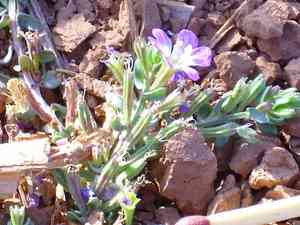
The ideal period for transplanting three-bract loosestrife occurs as spring transitions into the initial warmth of summer, offering peak development circumstances. Choose a location that receives full sun to partial shade and possesses damp earth to guarantee three-bract loosestrife flourishes after being moved. Handle the procedure with care to protect the root system's soundness.
What Preparations are Needed Before Transplanting Three-bract Loosestrife?
What is the Ideal Time for Transplanting Three-bract Loosestrife?
The optimal period for relocating three-bract loosestrife spans from early spring's warmth to the onset of summer. This timing leverages moderate temperatures, ensuring three-bract loosestrife roots establish effectively without the strain of intense summer heat or winter cold. Mild weather during these months offers ideal growth conditions for three-bract loosestrife, providing natural moisture and reducing transplant shock. Moving three-bract loosestrife within this favorable window will promote robust development, leading to a vibrant garden display.
How Much Space Should You Leave Between Three-bract Loosestrife Plants?
Allow ample room for three-bract loosestrife to thrive! Aim for a comfortable spacing of 18-24 inches (45-60 cm) between each plant. This will provide your three-bract loosestrife with the necessary space to grow strong and healthy without becoming overcrowded.
What is the Best Soil Mix for Three-bract Loosestrife Transplanting?
Before planting your three-bract loosestrife, prepare a suitable environment with well-draining soil. Incorporating organic compost as a foundational fertilizer is an excellent start. It will nourish your three-bract loosestrife and encourage rapid establishment.
Where Should You Relocate Your Three-bract Loosestrife?
Select a sunny location for your three-bract loosestrife where they can receive full sunlight for most of the day. They thrive on abundant light, which promotes vigorous and full growth. Partial shade can also work, but monitor their health closely!
What Equipments Should You Prepare Before Transplantation Three-bract Loosestrife?
Gardening Gloves
To safeguard your hands while handling soil and plants.
Shovel or Garden Spade
For excavating around and beneath the plant to extract it from its original spot.
Garden Fork
To loosen the soil and assist in lifting the root ball with minimal damage.
Watering Can or Hose
To hydrate the soil before and after the plant's relocation.
Wheelbarrow or Garden Cart
To move the three-bract loosestrife from its initial position to the new planting site.
Pruning Shears
To trim any dead or damaged roots or stems prior to transplanting.
Garden Trowel
To refine the planting hole and adjust soil levels as needed during the transplant process.
How Do You Remove Three-bract Loosestrife from the Soil?
How Do You Remove Three-bract Loosestrife from the Soil?
From Ground: First, irrigate the three-bract loosestrife plant to moisten the soil. Next, excavate a wide trench around the plant using a shovel or spade, ensuring the plant's root ball remains intact. Carefully work the spade beneath the root ball to lift the plant from its original location.From Pot: Begin by watering the three-bract loosestrife plant in the container to make the root ball more pliable. Tilt the pot sideways and gently tap it to dislodge the three-bract loosestrife. Grasp the base of the plant and carefully extract it, striving to keep the root ball whole.From Seedling Tray: Water the tray to keep the roots of three-bract loosestrife hydrated. Use a garden trowel or your fingers to gently lift each individual plant from its cell, taking care to support the root ball as you remove it.
Step-by-Step Guide for Transplanting Three-bract Loosestrife
Preparation
Before transplanting, ensure the new site's soil is adequately prepared and moist. Thoroughly water the three-bract loosestrife before commencing the removal process.
Digging the Hole
At the new location, dig a hole that is twice the width of the root ball and of comparable depth. This provides ample space for the roots to expand.
Plant Removal
Follow the appropriate removal method based on whether three-bract loosestrife is coming from the ground, a pot, or a seedling tray, being gentle to preserve the root structure.
Transplanting
Position three-bract loosestrife in the center of the new hole. The top of the root ball should be level with the surrounding soil surface. Backfill the hole with soil, gently firming it around the roots to eliminate air pockets.
Watering
Water the three-bract loosestrife generously after transplanting to settle the soil and help mitigate transplant shock. Maintain a regular watering schedule to keep the soil moist.
Mulching
Apply a layer of mulch around the three-bract loosestrife to help retain soil moisture and regulate temperature. Keep the mulch a few inches away from the stem to prevent rot.
How Do You Care For Three-bract Loosestrife After Transplanting?
Monitoring
Inspect the three-bract loosestrife daily, looking for signs of transplant stress such as wilting or discolored leaves. Some initial shock is normal, but the plant should recover with proper care.
Watering
Keep the soil around the three-bract loosestrife consistently moist, especially during the initial weeks post-transplant. This aids root establishment in its new location.
Staking
If the three-bract loosestrife is tall or in a windy area, it may require support. Use a stake and soft ties to secure the plant without harming the stem.
Pruning
Trim any damaged or dead parts of the three-bract loosestrife to direct the plant's energy towards developing new roots and promoting healthy growth.
Protecting
Depending on your climate, it might be necessary to shield the three-bract loosestrife from extreme temperatures or pests. Utilize row covers or plant collars as needed.
Troubleshooting Common Issues with Three-bract Loosestrife Transplantation.
When is the best time to transplant three-bract loosestrife?
The ideal transplanting period is when spring transitions to summer, typically from late spring through early summer.
How far apart should I space three-bract loosestrife plants?
Aim for ample spacing, positioning three-bract loosestrife plants 18-24 inches (45-60 cm) apart to ensure their flourishing growth.
What soil conditions suit three-bract loosestrife best for transplanting?
Plant three-bract loosestrife in well-drained, loamy soil that remains consistently moist for optimal root health.
How much sunlight does three-bract loosestrife need after transplanting?
Provide three-bract loosestrife with a sunny to partly shaded spot, adjusting for intense midday sun to prevent scorching.
What's the ideal depth for transplanting three-bract loosestrife?
Dig a fitting hole, just deep enough so the top of the root ball is level with the soil surface.
Why are my transplanted three-bract loosestrife plants wilting?
Wilting may indicate stress. Ensure they receive sufficient water and provide temporary shade for a few days after relocation.
How often should I water three-bract loosestrife after transplanting?
Water generously immediately after transplanting, then maintain moist soil, particularly during the first few weeks.
Can three-bract loosestrife be transplanted during flowering?
It carries some risk, but is feasible. It's best to transplant just before blooming or after flowers fade to minimize shock.
Is it necessary to fertilize three-bract loosestrife after transplanting?
Wait 4-6 weeks post-transplant before a light feeding to allow three-bract loosestrife to acclimate to its new environment.
Should I prune three-bract loosestrife when transplanting?
Only a little. Trim dead or damaged parts to direct three-bract loosestrife's energy towards root establishment, not recovery.



