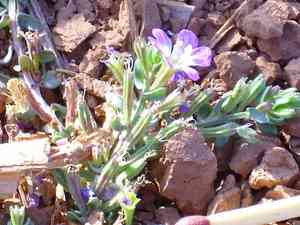
Three-bract loosestrife (Lythrum tribracteatum)
Also known as: Three-bracted Loosestrife
The three-bract loosestrife thrives in moist environments like marshes and stream banks, making it an attractive choice for gardens with water features or damp areas. With its eye-catching yellow flowers, this plant not only enhances garden aesthetics but also attracts pollinators such as bees and butterflies, thereby supporting local wildlife.
In This Article
Attributes of Three-bract loosestrife
Lifespan
Perennial
Plant Type
Herb
Plant Height
5 cm to 30 cm
Spread
Variable, not typically measured for this species
Leaf Color
Green
Flower Size
3 mm to 5 mm
Flower Color
Purple Pink
Images of Three-bract loosestrife
Quickly Identify Three-bract loosestrife
1
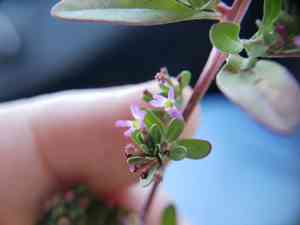
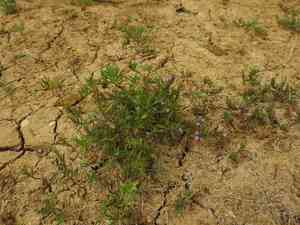
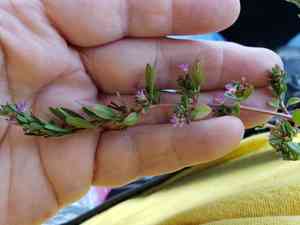
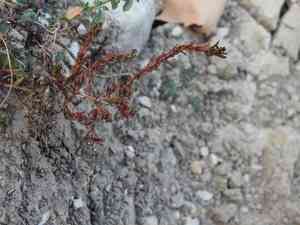
Lythrum tribracteatum can be identified by its small, purple flowers with three bracts (leaf-like structures) at the base of each flower cluster, narrow leaves, and erect herbaceous stems.
Scientific Classification of Three-bract loosestrife
Phylum
Vascular plants
Class
Dicotyledons
Order
Myrtales
Family
Loosestrife
Genus
Loosestrifes
Species
Three-bract loosestrife
Planting and Growing of Three-bract loosestrife
Care Difficulty
Moderate
Watering Schedule
Every 3 days
Sunlight Requirements
Full sun
Sunshine Duration
4-6 hours
Ideal Temperature
60-75℉
Soil Type
Potting Mix, Peat Mix
Soil pH
6.5-7.5
Fertilizer Type
Balanced
Pruning Season
Spring, Summer
Pruning Area
Branches, Leaves
Pruning Frequency
Once a year
Repotting Season
Spring
Pot Type
Plastic, Ceramic
 How to Water Three-bract loosestrife?
The Lythrum tribracteatum requires a careful approach to watering. It's essential to water until the soil is evenly moist but not soaked. Ensure that the water penetrates at least 5-10 cm into the soil to fulfil the root zone's moisture needs, simulating a rare but deep rain shower. This approach helps to maintain ideal moisture levels without promoting root rot.
What are the symptoms of an underwatered Three-bract loosestrife?
›
What should I do if my Three-bract loosestrife is not getting enough water?
›
What are the symptoms of an overwatered Three-bract loosestrife?
›
How to save an overwatered Three-bract loosestrife?
›
 What Are the Sunlight Requirements for Three-bract loosestrife?
Full sun exposure allows Lythrum tribracteatum to thrive with vibrant growth and abundant flowering. Ideal light ensures metabolic efficiency and maximizes the plant's natural beauty.
Optimal Location
›
Sunlight Timing
›
Supplementary Lighting
›
 What Is the Ideal Temperature Range for Three-bract loosestrife?
For optimal growth of Lythrum tribracteatum, maintain temperatures within the 60 to 75 degrees Fahrenheit range. This range supports healthy development and encourages blooming. It aligns with the plant's natural habitat conditions and ensures the right balance of heat and humidity.
 What Soil is Best for Three-bract loosestrife?
Lythrum tribracteatum thrives best in nutrient-rich soil, which aids in vigorous growth and vibrant flowering. Ensuring the soil is enriched with organic matter can significantly benefit the plant's health and resilience. This plant requires well-draining soil to prevent waterlogging, which can lead to root rot. Proper drainage ensures that the roots receive adequate aeration while maintaining necessary moisture levels. The soil should retain enough moisture to keep the plant hydrated between waterings, but not so much that it encourages fungal growth. Achieving this balance helps maintain plant health and prevents stress from drought conditions.
 How to Fertilize Three-bract loosestrife?
For Lythrum tribracteatum, the right amount of fertilizer ensures vibrant growth and blooming. Use a balanced 10-10-10 liquid fertilizer at half strength, approximately 1 tablespoon per gallon of water. This prevents over-fertilizing while providing necessary nutrients.
 How to Prune Three-bract loosestrife?
Start by sterilizing your pruning shears to prevent disease transmission. Remove any foliage that appears wilted or infected. Cut just above the node to promote branching. Be careful not to remove more than one-third of the plant at any time to avoid stress. Regularly check for crossed branches and thin them out to maintain air circulation. After pruning, mulching around the base of the Lythrum tribracteatum is essential to retain soil moisture and suppress weeds. Ensure the plant receives adequate water, especially during dry spells, as it recovers and strengthens following pruning.
More About Pruning Techniques→
 How to Propagate Three-bract loosestrife plant?
1
Fill seed starting trays with a well-draining potting mix. Thoroughly moisten the soil before sowing the seeds to provide an optimal environment for germination.
2
Select healthy, young stems from the plant. Cut them at a 45-degree angle below a node, making sure each cutting is at least 10 centimeters long with several leaves.
3
For division, carefully dig up a mature Lythrum tribracteatum plant. Use a sharp knife to divide the root ball into sections, ensuring each section has enough roots and shoots for new growth.
 How to Repot Three-bract loosestrife plant?
1
Look for signs such as roots coming out of the drainage holes or the plant becoming pot-bound, indicating it's time to repot Lythrum tribracteatum. The best seasons for repotting are spring and early summer when the plant is in its active growth phase, allowing for better adaptation.
2
Select a pot that is one to two inches larger in diameter than the current pot. This size allows enough space for root growth without overwhelming the plant, leading to better aeration and nutrient absorption, thus fostering healthier growth.
3
Opt for well-draining loamy soil, which provides the perfect balance of moisture retention and drainage. This kind of soil prevents waterlogging and root rot, while simultaneously supplying the necessary nutrients for vigorous growth and flowering.
Learn More About Three-bract loosestrife Diseases
Anthracnose
Bacterial Leaf Spot
Bacterial Wilt
Crown Gall
Damping-off
Downy Mildew
Drought Stress
Fusarium Wilt
Gray Mold
Leaf Spot
Mosaic
Nutrient Deficiency
Nutrient Toxicity
Powdery Mildew
Root Rot
Root-knot Nematode
Rusts
Sooty Mold
Spider Mites
Temperature Stress
Thrips Damage
White Mold
Chemical Injury



