The Three-bract loosestrife Plant Advantage: Maximizing Home and Office Appeal and Wellness
1
Three-bract loosestrife aids in preventing soil loss and boosting moisture retention.
2
This flora draws in helpful insects, enriching garden ecological variety.
3
Three-bract loosestrife is recognized for its attractive blooms, contributing visual appeal to landscapes.
What are the Soil Benefits of Three-bract loosestrife?
Controlling Soil Erosion
A key advantage of Three-bract loosestrife is its capacity to prevent soil erosion. The plant's dense root network helps bind the soil, stopping it from being washed away by rain or wind. This trait makes Three-bract loosestrife a valuable addition to gardens on inclines or areas prone to soil loss.
Improving Soil Water Retention
Beyond erosion control, Three-bract loosestrife excels at enhancing soil's ability to hold water. Its roots create pathways in the soil, boosting water absorption and retention. This process not only helps maintain soil moisture during dry spells but also ensures nutrients are more accessible to nearby plants. By improving soil structure, Three-bract loosestrife fosters a healthier, more sustainable gardening environment.
How Does Three-bract loosestrife Enhance Garden Biodiversity?
Attracting Beneficial Insects
One of the less recognized benefits of Three-bract loosestrife is its ability to draw in helpful insects. The plant's bright blooms attract pollinators like bees and butterflies, vital for pollinating other garden plants. Additionally, it draws in predatory insects that aid in pest control, naturally reducing the need for chemical pesticides.
Providing Habitats for Wildlife
Beyond insects, Three-bract loosestrife also offers habitats for various wildlife. Birds and small mammals often find refuge within its dense foliage, adding another layer of life to your garden. This boost in biodiversity not only creates a more resilient ecosystem but also transforms your garden into a lively and dynamic space.
What Aesthetic Benefits Does Three-bract loosestrife Offer?
Adding Visual Appeal
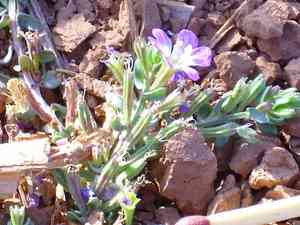
Three-bract loosestrife is widely valued for its stunning flowers, which bring a burst of color to any garden. The plant's striking look can serve as a focal point or complement existing garden designs. Its unique foliage provides contrast and texture, contributing to an appealing landscape.
Creating Seasonal Interest
Another aesthetic advantage of Three-bract loosestrife is its capacity to provide seasonal interest. The plant flowers at various times throughout the year, ensuring your garden remains colorful and vibrant as seasons change. This characteristic makes Three-bract loosestrife an excellent choice for gardens designed for year-round enjoyment.
How Can Three-bract loosestrife Be Used in Garden Design?
Functional Uses in Landscaping
Three-bract loosestrife is a versatile plant that can fulfill multiple roles in garden design. Its robust root system makes it ideal for stabilizing slopes and banks, preventing soil erosion. The plant's ability to thrive in diverse soil types and conditions means it can be used in various garden settings, from wet areas to dry ones.
Complementing Other Plants
Three-bract loosestrife pairs well with other plants, making it an excellent option for mixed borders and naturalistic plantings. Its foliage and flowers can complement taller plants by offering a mid-ground presence, or it can be used as ground cover to protect the soil and suppress weeds. By incorporating Three-bract loosestrife into your garden, you can create a balanced and diverse planting scheme.
What Are the Care and Maintenance Tips for Three-bract loosestrife?
Light and Water Requirements
Caring for Three-bract loosestrife is quite simple. The plant thrives in full sun to partial shade and prefers moist but well-drained soil. Regular watering is crucial during its establishment phase, but once mature, Three-bract loosestrife can endure short dry spells. However, it's vital to avoid waterlogging, as this can harm the plant.
Pruning and Fertilization
Pruning Three-bract loosestrife helps maintain its form and encourages new growth. The optimal time to prune is in late winter or early spring before new growth begins. Moderate fertilization with a balanced, slow-release fertilizer can boost the plant's growth and flowering. Though not overly demanding, following these care tips will ensure your Three-bract loosestrife stays healthy and vibrant.



