How to Transplant Florida loosestrife?
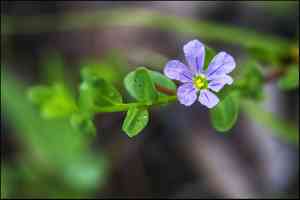
Florida loosestrife flourishes when relocated from early spring until late spring, benefiting from ideal growing circumstances. Select a site offering full sun to partial shade and damp earth. Bear in mind that careful handling prevents harm to the roots, promoting successful establishment.
What Preparations are Needed Before Transplanting Florida Loosestrife?
What is the Ideal Time for Transplanting Florida Loosestrife?
The best period for relocating florida loosestrife spans from the beginning of early spring to the conclusion of the same season. Moving it during this timeframe enables the perennial to develop strong root systems prior to the demands of summer. This timing promotes superior growth, enhanced resilience, and continuous flowering cycles for florida loosestrife.
How Much Space Should You Leave Between Florida Loosestrife Plants?
Prior to transplanting florida loosestrife, ensure a spacing of 18-24 inches (45-60 cm) between each plant. This provides sufficient room for them to grow and flourish without becoming overcrowded.
What is the Best Soil Mix for Florida Loosestrife Transplanting?
Prepare a soil mixture that drains well for florida loosestrife, combining sandy and loamy garden soil. Add a slow-release base fertilizer to enrich the soil with vital nutrients.
Where Should You Relocate Your Florida Loosestrife?
Select a spot that gets full sun to partial shade for transplanting florida loosestrife. A location receiving 6-8 hours of sunlight daily will ensure robust growth.
What Equipments Should You Prepare Before Transplantation Florida Loosestrife?
Gardening Gloves
To safeguard your hands while handling soil and plants.
Shovel or Spade
For excavating the plant and creating a new hole for relocation.
Watering Can or Hose
To supply water before and after the transplanting procedure.
Trowel
Useful for smaller, more precise digging tasks.
Wheelbarrow
To move the plant to its new spot if necessary.
Garden Fork
To gently loosen and aerate the soil surrounding the plant's roots.
How Do You Remove Florida Loosestrife from the Soil?
How Do You Remove Florida Loosestrife from the Soil?
From Ground: First, hydrate the florida loosestrife plant to moisten the soil. Next, dig a wide trench around the plant using a shovel or spade, making sure the plant's root ball stays intact. Carefully work the spade beneath the root ball to lift the plant from its original position.From Pot: Water the florida loosestrife plant thoroughly. Gently slide the plant out of its container by tilting it sideways and tapping the base. If it resists, lightly squeeze the pot's sides or run a knife along the inner edge to loosen the soil and roots.From Seedling Tray: Water the florida loosestrife seedlings to keep the soil damp. Carefully use a trowel or small spoon to scoop under each seedling, preserving as much of the root system and surrounding soil as possible.
Step-by-Step Guide for Transplanting Florida Loosestrife
Site Preparation
Choose a location with the appropriate amount of sunlight for florida loosestrife. Ensure the soil is well-prepared, tilled, and amended if needed.
Digging Hole
Excavate a hole at the new site that is at least twice as wide and equally as deep as the root ball of the florida loosestrife plant.
Plant Positioning
Place the florida loosestrife plant in the new hole, ensuring it sits at the same depth as it was in its initial spot. Adjust the soil underneath if necessary to achieve the correct height.
Backfilling
Refill the hole around the plant with the excavated soil, gently compacting it around the roots to eliminate air pockets.
Watering
Water the florida loosestrife plant thoroughly to help settle the soil and lessen transplant shock.
Mulching
Apply a layer of mulch around the base of the florida loosestrife plant to help retain moisture and regulate soil temperature.
How Do You Care For Florida Loosestrife After Transplanting?
Watering
Keep the soil around the florida loosestrife consistently moist, but not waterlogged, for the initial weeks after transplanting to aid in establishing strong roots.
Monitoring
Regularly inspect the florida loosestrife plant for indications of stress or disease. Watch for wilting leaves or slow growth and adjust care practices accordingly.
Support
If the florida loosestrife plant is tall or prone to toppling, provide stakes or other supports to help it remain upright as it settles into its new location.
Fertilizing
After a few weeks, consider applying a balanced fertilizer to supply the nutrients the florida loosestrife plant requires to flourish.
Troubleshooting Common Issues with Florida Loosestrife Transplantation.
When is the best time to transplant florida loosestrife?
The optimal period to transplant florida loosestrife is from early spring to late spring, ensuring peak growth.
How should I space florida loosestrife when transplanting?
Florida loosestrife should be spaced 18-24 inches (45-60 cm) apart to allow ample room for development.
What type of soil does florida loosestrife prefer?
Florida loosestrife thrives in well-drained, moist soil. Ensure the transplanting site meets these conditions.
How deep should I plant florida loosestrife?
Plant florida loosestrife at the same depth it was in its original location to prevent stress.
Should I water florida loosestrife immediately after transplanting?
Yes, water florida loosestrife thoroughly after transplanting to settle the soil and reduce transplant shock.
What sunlight conditions are ideal for florida loosestrife?
Florida loosestrife prefers full to partial sunlight. Ensure the new location receives adequate light.
How do I prepare the new site for transplanting florida loosestrife?
Loosen the soil and remove weeds from the new site. Incorporate compost for added nutrients.
How can I reduce transplant shock for florida loosestrife?
Handle florida loosestrife with care, water well, and avoid transplanting during hot weather to minimize shock.
When should I fertilize florida loosestrife after transplanting?
Wait a few weeks after transplanting before fertilizing florida loosestrife to let it acclimate to its new environment.
What should I do if florida loosestrife shows signs of distress after transplanting?
Ensure it receives adequate water. Mulch around the base to retain moisture and protect roots.



