How to Propagate Florida loosestrife?
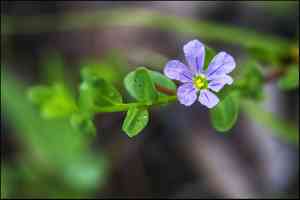
Florida loosestrife, a species within the Lythraceae family, flourishes in damp, boggy habitats. Reproducing through seed dispersal requires choosing viable seeds and embedding them in hydrated earth to guarantee successful sprouting. Steady hydration and ample illumination are vital during the initial phases of development. To achieve peak outcomes, sustain an equilibrium between dampness and air circulation to avert seedling decay.
Optimal Time for Florida Loosestrife Propagation
Propagation Method
Seeding
Propagation Period
Spring
Tools Required for Florida Loosestrife Propagation
Seed Tray
An essential item for sowing florida loosestrife seeds, a seed tray with drainage holes offers a controlled setting for indoor or greenhouse seed starting, aiding in moisture and temperature regulation.
Seed Starting Mix
A premium seed starting mix is vital for successful germination. This mix should be light and drain well to prevent waterlogging and encourage robust root growth for florida loosestrife.
Humidity Dome
A humidity dome assists in maintaining consistent moisture levels and provides a warm atmosphere, both critical for the effective germination of florida loosestrife seeds.
Labels
Labels are crucial for tracking sowing dates and the specific plant varieties being propagated. This helps in monitoring development and ensures correct identification of florida loosestrife during its initial stages.
Watering Can with Fine Rose
Employing a watering can equipped with a fine rose ensures a gentle shower of water over the seeds, minimizing the risk of dislodging seeds or harming young florida loosestrife seedlings.
Heating Mat
A heating mat supplies warmth from below, which can significantly boost germination rates and speed for florida loosestrife by sustaining a steady, warm soil temperature.
Soft Tweezers
Delicate florida loosestrife seeds and young seedlings can be handled with soft tweezers, ensuring minimal damage during the sowing and transplanting processes.
Transplanting Tool
A small transplanting tool or dibber is useful for carefully separating and moving florida loosestrife seedlings from the seed tray to individual pots, ensuring minimal root disturbance.
Grow Light
Sufficient light is essential for healthy seedling development. A grow light provides steady illumination, especially when natural light is inadequate for florida loosestrife.
How to Propagate Florida Loosestrife?
Propagation Difficulty
Simple
Post-Propagation Care for Florida Loosestrife
Post-Propagation Care for Florida Loosestrife
Following florida loosestrife propagation, keep the soil consistently moist but avoid over-saturation. Provide full sun to partial shade and ensure proper drainage. Regularly check for pests and diseases, and fertilize sparingly with a balanced feed during the growing season. Applying mulch around the plant's base can help retain moisture and control weeds.
Common Errors to Avoid When Propagating Florida Loosestrife
Overwatering
Excessive moisture can lead to root rot and fungal infections, negatively impacting the health and viability of florida loosestrife.
Using Inferior Soil
Poor quality or poorly draining soil can suffocate roots, resulting in stunted growth and eventual plant demise.
Incorrect Cutting Techniques
Taking cuttings that are too large or small, or damaging them, can impede successful root development.
Neglecting Humidity
Arid environments can cause cuttings to dehydrate, reducing the likelihood of successful rooting.
Advice for Propagating Florida Loosestrife
Moderate Watering
Keep the soil slightly damp but not waterlogged to prevent root diseases.
Quality Soil
Utilize a well-draining soil mix to provide essential nutrients and adequate aeration.
Proper Cuttings
Take cuttings of appropriate length (around 4-6 inches) from healthy stems and ensure clean, angled cuts.
Humidity Maintenance
Employ a humidity dome or cover cuttings with a plastic bag to maintain moisture levels until roots emerge.



