How to Transplant Old world climbing fern?
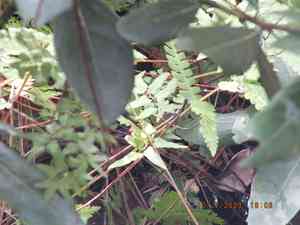
The interval spanning from the early spring thaw to the threshold of summer's heat is ideal for relocating old world climbing fern. Choose a site offering substantial shade and soil that drains effectively. Be diligent in verifying that the new environment replicates the protected, moist conditions of its native habitat.
Essential Preparations Before Relocating Old World Climbing Fern
Optimal Timing for Transplanting Old World Climbing Fern
The best period for moving old world climbing fern spans from early to late spring. During this time, moderate temperatures and ample moisture encourage strong root development, crucial for old world climbing fern's successful establishment in a new spot. Transplanting old world climbing fern now boosts survival rates, as the plant can adapt without the strain of extreme heat or cold. This precise timing guarantees a flourishing future for old world climbing fern, transforming your garden into a lush sanctuary.
Recommended Spacing Between Old World Climbing Fern Plants
Greetings, gardening enthusiast! Before settling your old world climbing fern into its new home, ensure it has ample room. Position your plants approximately 2-3 feet (60-90 cm) apart. This provides sufficient space for them to climb and thrive without becoming overcrowded.
Ideal Soil Mixture for Old World Climbing Fern Transplantation
For old world climbing fern, aim for rich and well-draining soil! A blend of loamy soil, abundant in organic matter, will greatly benefit your old world climbing fern. Prior to planting, incorporate a slow-release, balanced fertilizer to give your old world climbing fern an excellent start. Remember, thorough preparation yields significant rewards!
Selecting the Right Location for Your Old World Climbing Fern
Sunlight is vital for your old world climbing fern, but not in excess! Choose a location where your plant will receive partial shade. This prevents old world climbing fern from getting scorched while still providing enough light to develop into a beautiful green screen. A spot with morning sun and afternoon shade is absolutely perfect!
Tools Required Before Transplanting Old World Climbing Fern
Gardening Gloves
To safeguard your hands while handling soil and plants.
Spade or Shovel
For excavating the plant and preparing a new planting site.
Pruning Shears
To trim any dead or excessively grown parts of the plant.
Wheelbarrow or Garden Cart
For moving the plant and soil efficiently.
Watering Can or Hose
To hydrate the plant before and after its relocation.
Trowel
For precise handling of the plant's root ball.
Stake and Garden Twine
To provide support to the plant if needed after transplanting.
Method for Removing Old World Climbing Fern from Soil
How to Extract Old World Climbing Fern from the Soil
From Ground: First, moisten the old world climbing fern plant to soften the soil. Then, dig a wide trench around the plant using a shovel or spade, ensuring the plant's root ball remains intact. Carefully work the spade beneath the root ball to lift the plant from its original spot.From Pot: Begin by thoroughly watering the old world climbing fern to facilitate easier removal. Tilt the pot sideways and gently tap the bottom and sides to loosen the soil. Carefully extract the plant from the pot, supporting its base and roots as you do so.From Seedling Tray: Dampen the soil in the tray. Use a trowel or your fingers to gently lift the old world climbing fern seedling, being cautious with its delicate roots. Hold it by the root ball rather than the stems or leaves.
Detailed Steps for Transplanting Old World Climbing Fern
Preparation
Before removing the old world climbing fern from its current spot, ensure the new planting area is prepared. Clear away any weeds or debris and loosen the soil.
Root Ball Care
When extracting the old world climbing fern, preserve as much of the root ball as possible. This minimizes damage and stress to the plant's roots.
Transplant Hole
Dig a hole in the new location that is twice the width of the root ball and of equal depth, allowing roots to spread easily.
Placement
Position the old world climbing fern in the center of the hole at the same depth it was previously growing. The root ball should be level with the surrounding soil.
Filling the Hole
Backfill the hole around the old world climbing fern with soil, gently firming it to eliminate air pockets. Do not bury the plant deeper than its original planting depth.
Watering
Thoroughly water the transplanted plant after planting to settle the soil around the roots and aid in recovery.
Post-Transplant Care for Old World Climbing Fern
Monitoring
Regularly inspect the old world climbing fern for signs of stress, such as wilting or discolored leaves, and address any issues promptly. Support the plant with stakes and garden twine if it appears to be leaning or unstable. Watering
Avoiding Stress
Minimize transplant shock by transplanting on a cool, overcast day or in the late afternoon to reduce exposure to direct sunlight.
Addressing Common Issues During Old World Climbing Fern Transplantation
What is the optimal time to transplant old world climbing fern for best growth?
Transplant old world climbing fern as spring transitions into summer, ideally from early to late spring.
How can I determine if old world climbing fern is ready for transplant?
Look for new growth or a root-bound container; these indicate old world climbing fern is prepared for a new location.
Why is my old world climbing fern wilting after transplant?
Wilting often signifies shock. Provide old world climbing fern with consistent moisture and shade for a week to help it adapt well.
What is the recommended spacing for old world climbing fern plants?
Space old world climbing fern approximately 2-3 feet (60-90 cm) apart to allow ample room for their fronds to spread without crowding.
Which soil conditions are most favorable for old world climbing fern after transplanting?
Rich, well-drained soil is essential for old world climbing fern to flourish. Think woodland-like, humus-rich, and consistently moist.
How deep should I plant old world climbing fern during transplanting?
Keep it shallow; the top of the root ball should be level with the surrounding soil to prevent suffocation.
Should I fertilize old world climbing fern after transplanting, and how frequently?
Fertilize old world climbing fern one month after settling in with a balanced, slow-release fertilizer to encourage growth.
How much and how often should I water old world climbing fern post-transplant?
Water deeply immediately after transplanting, then switch to regular watering until old world climbing fern is established.
Is it advisable to transplant old world climbing fern during summer or fall?
It's generally not recommended. Early to mid-spring offers the best conditions for old world climbing fern, allowing ample time for rooting without stress.
My old world climbing fern appears unhealthy; how can I aid its recovery?
Check for insufficient watering, excessive sun exposure, or poor drainage. Adjust care as needed, and remember that patience is crucial!



