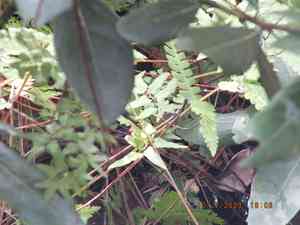
Old world climbing fern (Lygodium microphyllum)
Also known as: Small-leaf climbing fern, Small leaf climbing fern, Small-leaved climbing fern
This fern features a creeping stem from which its notably long leaves emerge, with some extending over 30 meters. The leaves possess a rachis, resembling vines, and have the ability to climb other plants. What seem like individual leaves along the rachis are actually leaflets, which are smaller parts of the main leaf.
In This Article
Attributes of Old world climbing fern
Lifespan
Perennial
Plant Type
Herb, Vine
Plant Height
5 m to 7 m
Spread
1 m
Leaf Color
Green
Flower Size
N/A (ferns do not produce flowers)
Flower Color
N/A (ferns do not produce flowers)
Images of Old world climbing fern
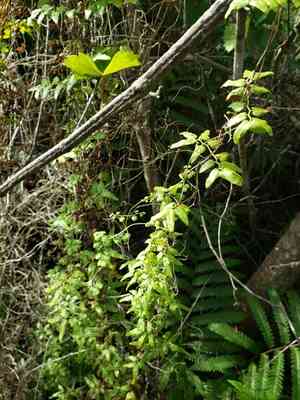
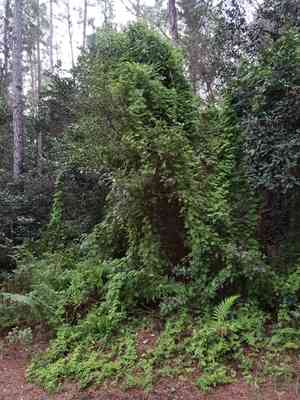
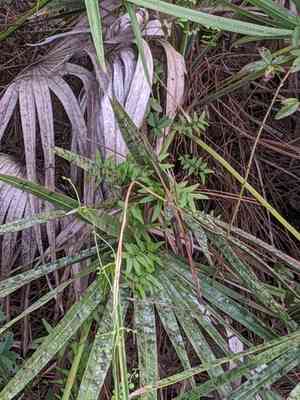
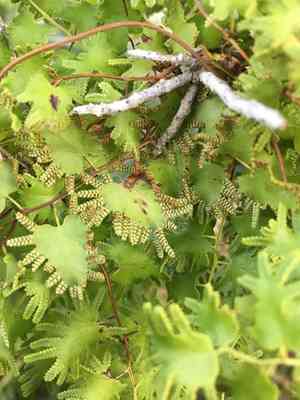
Quickly Identify Old world climbing fern
1
Climbs with delicate, vine-like fronds up to 90 feet (27 meters) long.
2
Fronds are dissected into tiny leaflets, creating a fine, graceful texture.
3
Sporangia clusters in sori, yellow-brown, essential for reproduction.
4
Thin, wiry stems with zig-zag growth patterns, reaching over 30 feet (9 meters).
5
Grows in both sunlit and shaded areas, forming dense mats in moist habitats.
Scientific Classification of Old world climbing fern
Phylum
Vascular plants
Class
Ferns
Order
Schizaeales
Family
Climbing fern
Genus
Climbing ferns
Species
Old world climbing fern
Planting and Growing of Old world climbing fern
Care Difficulty
Hard
Watering Schedule
Every 2 days
Sunlight Requirements
Partial sun
Sunshine Duration
6-10 hours
Ideal Temperature
68-86℉
Soil Type
Potting Mix, Peat Mix
Soil pH
6.5-7.5
Fertilizer Type
Balanced
Pruning Season
Spring, Summer
Pruning Area
Branches, Leaves
Pruning Frequency
2 times a year
Repotting Season
Spring
Pot Type
Plastic, Ceramic
 How to Water Old world climbing fern?
For Lygodium microphyllum, the amount of water should maintain the soil consistently moist without waterlogging. Aim to provide about 250 milliliters per watering session. The right amount ensures the roots are sufficiently hydrated without drowning.
What are the symptoms of an underwatered Old world climbing fern?
›
What should I do if my Old world climbing fern is not getting enough water?
›
What are the symptoms of an overwatered Old world climbing fern?
›
How to save an overwatered Old world climbing fern?
›
 What Are the Sunlight Requirements for Old world climbing fern?
Partial sun conditions, where the plant receives filtered sunlight, are ideal for Lygodium microphyllum. Such lighting promotes healthy foliage growth, maintaining its lush green appearance and facilitating robust development of its unique sporadic fronds.
More About Sunlight Requirements Techniques→
Optimal Placement
›
Seasonal Adjustments
›
Light Measurement
›
 What Is the Ideal Temperature Range for Old world climbing fern?
Lygodium microphyllum thrives best within an ideal temperature range of 68-86°F. These temperatures mimic the plant's natural subtropical environment, providing optimal conditions for growth and propagation. To achieve the best results, maintaining a stable temperature within this range is crucial, as it helps facilitate photosynthesis and encourages healthy development.
 What Soil is Best for Old world climbing fern?
Lygodium microphyllum requires well-draining soil to prevent waterlogging, which can cause root rot. Ensuring proper drainage promotes healthy root development and a robust plant. This plant thrives in a nutrient-rich substrate, which supports its rapid growth rate and lush foliage. Incorporating organic matter can enhance soil fertility, directly benefiting the plant. Although it needs good drainage, the soil should remain consistently moist. Adequate moisture levels ensure the plant's metabolic processes function optimally, contributing to vigorous growth.
 How to Fertilize Old world climbing fern?
For Lygodium microphyllum, the recommended amount of liquid fertilizer is approximately 150-200 ppm of nitrogen per application. For solid, slow-release fertilizers, use around 150 grams spread evenly over the soil surface once applied.
 How to Prune Old world climbing fern?
Start by identifying overgrown or old fronds that need to be trimmed. Focus on those that are entangled with other plants or structures. Trimming should also target damaged or discolored fronds to promote healthy regrowth. Carefully cut the selected fronds as close to the base as possible without damaging the healthy stems. Be diligent in removing all cut fronds from the vicinity to prevent unwanted regrowth or spreading. After pruning, gather all debris and dispose of it responsibly. Consider bagging the pruned material and ensuring it's transported to a landfill or burnt to prevent it from spreading in the garden or compost.
More About Pruning Techniques→
 How to Propagate Old world climbing fern plant?
1
Begin by collecting mature spores from existing plants. Clean and dry them thoroughly to remove any debris. It's essential to store them in a cool, dry place until you're ready to plant to ensure maximum viability when sowed.
2
Fill seed starting trays with a well-draining mix, such as a blend of peat moss and vermiculite. Evenly spread the spores across the surface without covering them. They require light to germinate, so be sure they remain on the surface where light can reach.
3
Select healthy, young vines and use pruning shears to take cuttings. Each cutting should be about 4-6 inches long with several leaves. Allow the cut ends to dry slightly before planting in a sterile potting mix to prevent rot.
 How to Repot Old world climbing fern plant?
1
Lygodium microphyllum should be repotted when you notice roots emerging from the drainage holes or when the plant becomes pot-bound. These signs indicate that the plant is struggling for space and requires more room to grow, thus necessitating a timely transfer to a larger pot.
2
Selecting the appropriate pot for Lygodium microphyllum is crucial. Opt for a container that is one size larger than the current pot. Ensure it has adequate drainage holes to prevent water logging, which can lead to root rot. A well-chosen pot supports plant health by allowing proper root expansion.
3
The ideal soil for repotting Lygodium microphyllum is a well-draining loamy mix. This type of soil allows excess moisture to escape, balancing water retention and aeration. Its texture is perfect for providing both support and a nutrient-rich environment for healthy fern growth.



