How Much Sunlight Do Old world climbing fern Need?
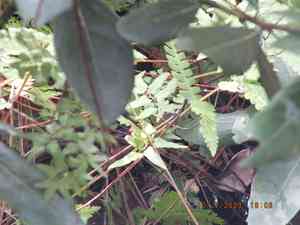
1
Lygodium microphyllum flourishes in direct sunlight yet can endure some shade.
2
Provide a minimum of six hours of sun each day for best development.
3
Supplemental artificial light can be beneficial on overcast days or in dimly lit residences.
Optimal Illumination Conditions for Old world climbing fern
Ideal Light Exposure
Old world climbing fern naturally flourishes in full sun, meaning it can endure 6 or more hours of direct sunlight daily. Positioning it where it receives ample light will foster robust growth and vivid foliage. However, despite its sun preference, this fern is quite adaptable. If full sun isn't feasible, it will tolerate partial sun, though its vigor might be diminished.
Effects of Excessive Sunlight
While this fern enjoys sunny conditions, an overabundance of intense sunlight can cause problems. Signs of sun damage include browning or yellowing leaves, wilting, and crisp edges. To prevent scorching, especially in very hot summer regions, consider using a light shade cloth during peak afternoon hours, or simply relocate the plant to a slightly more shaded spot.
Effects of Insufficient Sunlight
Inadequate sunlight can lead to various issues for Old world climbing fern. Insufficient light results in stunted development, dull or pale leaves, and an overall unhealthy appearance. The plant may become leggy as it stretches towards the light, which can compromise its structural integrity and aesthetic appeal. To avoid this, ensure the plant gets a minimum of 6 hours of sunlight daily, supplementing with artificial light if needed.
Native Environment and Sunlight
Sunlight in Native Regions
Old world climbing fern originates from areas with abundant sunlight, commonly found in open woodlands and brightly lit spaces. Its natural habitat offers a mix of full and partial sun, depending on the season and tree canopy. This adaptability to varying light conditions has enabled its widespread presence in diverse environments.
Replicating Natural Light Conditions
To successfully cultivate Old world climbing fern at home, it's important to emulate its natural light conditions as closely as possible. Choose a planting location that provides plenty of sun, such as south or west-facing windows. If growing outdoors, a spot that receives morning sun and some afternoon shade can be ideal. This balance will help your fern thrive in a manner reminiscent of its native habitat.
Tips for Ensuring Proper Sunlight
Placement in Your Home or Garden
Indoor gardeners should position their Old world climbing fern near windows that receive ample sunlight, preferably those facing south or west. If you're growing it outdoors, select a location with plenty of morning sun and some afternoon shade to shield it from the day's most intense rays. Consistent placement is crucial to avoiding sudden light shifts that could stress the plant.
Using Artificial Lighting
If natural light is scarce, artificial lighting can be an excellent alternative. Use grow lights to provide the necessary light spectrum for your fern. LED grow lights are efficient and can be set on timers to ensure the plant receives consistent illumination. Position the grow light about 6-12 inches (15-30 cm) above the plant, and provide 12-16 hours of light daily to mimic natural sunlight exposure.
Adjusting for Seasonal Changes
As seasons change, so do sunlight patterns. In winter, when daylight hours are shorter, you might need to move your fern closer to windows or increase the duration of artificial lighting. During summer, monitor the plant for signs of too much sun and adjust accordingly. Flexibility and attention to your plant’s needs across seasons will promote year-round health and growth.
Common Sunlight Issues and Solutions
Signs of Sunburn
Sunburn can be identified by scorched leaf edges, brown patches, or overall wilting. These symptoms clearly indicate that your Old world climbing fern is receiving too much direct sunlight. To remedy this, move the plant to a shadier location and trim the damaged leaves to encourage new growth.
Identifying Sun Deficiency
A plant suffering from sun deficiency will exhibit signs such as pale or yellowing leaves, slow growth, and leaning towards light sources. If your fern shows these symptoms, increase its light exposure by moving it to a brighter spot or using supplemental lighting.
Balancing Light Exposure
Balancing light exposure is vital for the well-being of your Old world climbing fern. Regularly monitor your plant for signs of too much or too little light. Adjust its placement or the intensity and duration of artificial light to ensure it receives the optimal amount of sunlight. Balancing light exposure will help maintain the plant's vibrant foliage and overall health.



