How to Transplant Fremont's desert-thorn?
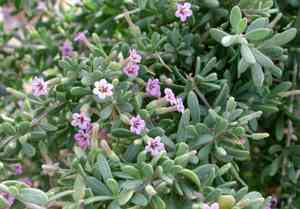
Fremont's desert-thorn flourishes when relocated in the mild temperatures of early spring. Select a bright, adequately draining site to provide an ideal beginning. Confirm the new setting replicates its natural arid habitat for optimal outcomes.
What Preparations are Needed Before Transplanting Fremont's Desert-thorn?
What is the Ideal Time for Transplanting Fremont's Desert-thorn?
The optimal period to relocate fremont's desert-thorn is at the start of the growing season, as the soil begins to warm. Moving it at this time allows fremont's desert-thorn sufficient opportunity to develop robust roots prior to the arrival of intense summer heat, which can stress newly moved perennials. This timing promotes superior growth and plant resilience.
How Much Space Should You Leave Between Fremont's Desert-thorn Plants?
When relocating fremont's desert-thorn, a separation of 4-6 feet (1.2-1.8 meters) between each specimen is perfect to ensure they have adequate room to expand and flourish. This spacing helps prevent congestion and encourages good air circulation.
What is the Best Soil Mix for Fremont's Desert-thorn Transplanting?
Prepare soil that drains well, incorporating some organic compost to boost its fertility. Fremont's desert-thorn thrives in sandy or loamy soil. Adding a balanced foundational fertilizer with a 10-10-10 NPK ratio, approximately 1-2 pounds per 100 square feet (0.5-1 kg per 10 square meters), will give your plants an excellent start.
Where Should You Relocate Your Fremont's Desert-thorn?
Select a sunny spot for moving fremont's desert-thorn, as it prefers full sun exposure (6-8 hours of direct sunlight daily). This ensures the plant will receive enough light for healthy development and vibrant blooms.
What Equipments Should You Prepare Before Transplantation Fremont's Desert-thorn?
Gardening Gloves
To safeguard your hands while handling soil and the plant.
Shovel or Spade
For excavating a hole in the new site and a trench around the plant for extraction.
Hand Trowel
To assist with more precise digging around the root system.
Watering Can or Hose
For hydrating the plant before and after its relocation.
Wheelbarrow or Plant Container
For moving the plant to its new spot, if required.
Pruning Shears
To trim any damaged roots or branches during the relocation process.
Mulch
To aid in retaining soil moisture following transplantation.
How Do You Remove Fremont's Desert-thorn from the Soil?
How Do You Remove Fremont's Desert-thorn from the Soil?
From Ground: First, irrigate the fremont's desert-thorn plant to moisten the earth. Next, excavate a wide trench around the plant using a shovel or spade, ensuring the plant's root ball remains intact. Carefully work the spade beneath the root ball to lift the plant from its original position.From Pot: Water the fremont's desert-thorn plant to soften the potting mix. Gently invert the pot while supporting the plant with your other hand. Tap the base of the pot to dislodge the plant and slide it out, taking care not to harm the roots. If the plant resists, gently loosen the soil around the edges with a hand trowel.From Seedling Tray: Water the seedlings to facilitate easier removal. Carefully scoop out each fremont's desert-thorn seedling using a hand trowel, ensuring you collect as much of the root system and surrounding soil as possible. Handle the seedlings by their leaves, not stems, to prevent damage.
Step-by-Step Guide for Transplanting Fremont's Desert-thorn
Site Preparation
Locate an appropriate spot for your fremont's desert-thorn plant, considering the correct spacing and sunlight needs. Prepare the new planting hole by digging it twice as wide and equally deep as the plant's root ball.
Plant Removal
Follow the instructions detailed in the 'removal process' section to carefully extract the plant from its initial location.
Transplanting the Plant
Position the fremont's desert-thorn plant into its new hole, ensuring the top of the root ball is level with the surrounding soil. Backfill around the root ball with soil, gently compacting it to eliminate air pockets.
Watering
Immediately water the newly relocated fremont's desert-thorn plant thoroughly to help settle the soil and lessen transplant shock. Ensure the water penetrates deep into the root zone.
Mulching
Apply a layer of mulch around the plant's base to help maintain soil moisture and regulate temperature.
How Do You Care For Fremont's Desert-thorn After Transplanting?
Watering
Keep the soil around the fremont's desert-thorn consistently damp, but not waterlogged, for the initial weeks post-transplant to aid in establishing strong roots.
Pruning
Trim any damaged or dead foliage to encourage healthy new growth. Avoid significant pruning until the plant is well-established.
Monitoring
Regularly inspect the plant for any indications of stress, such as wilting or yellowing leaves. Address any issues promptly to promote successful establishment.
Support
If the fremont's desert-thorn plant is tall or top-heavy, consider staking it to offer additional support until the roots are firmly anchored in their new location.
Troubleshooting Common Issues with Fremont's Desert-thorn Transplantation.
When is the best time to transplant fremont's desert-thorn?
The optimal time to relocate fremont's desert-thorn is in early spring when the plant is still dormant.
How much space do fremont's desert-thorn plants need?
Provide fremont's desert-thorn plants with a 4-6 feet (1.2-1.8 meters) separation to ensure robust growth.
Should I water fremont's desert-thorn before transplanting?
Yes, thoroughly water fremont's desert-thorn a day prior to transplanting to prepare its roots.
How deep should I dig the transplant hole?
The hole should be twice as wide and the same depth as the root ball of fremont's desert-thorn.
What type of soil is best for fremont's desert-thorn?
Utilize well-draining soil mixed with organic compost to supply nutrients for fremont's desert-thorn.
How should I handle the roots of fremont's desert-thorn during transplanting?
Handle the roots gently and avoid breaking them to prevent transplant shock in fremont's desert-thorn.
How much should I water fremont's desert-thorn after transplanting?
Water fremont's desert-thorn immediately after transplanting, and keep the soil moist but not saturated thereafter.
Do I need to prune fremont's desert-thorn after transplanting?
Lightly trim any damaged branches after relocating fremont's desert-thorn to encourage new growth.
How can I protect fremont's desert-thorn from transplant shock?
Offer shade and ample water to help fremont's desert-thorn adapt to its new spot and minimize shock.
When should I fertilize fremont's desert-thorn after transplanting?
Wait approximately one month after relocating fremont's desert-thorn before applying a balanced fertilizer.



