How to Prune Fremont's desert-thorn?
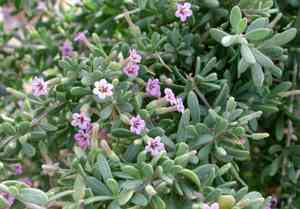
Fremont's desert-thorn is a robust, arid-adapted shrub characterized by thorny stems and ephemeral blossoms. Trim fremont's desert-thorn in the early part of spring prior to the emergence of new foliage. Eliminate any deceased, injured, or intersecting branches to enhance air circulation and light exposure. Reducing the density of internal branches can additionally foster more vigorous development and increased bloom production. Consistent trimming aids in preserving its form and averting excessive thickness. Always employ sanitized, keen implements to preclude disease or harm to the specimen.
What Are the Benefits of Pruning Fremont's Desert-thorn?
What Are the Benefits of Pruning Fremont's Desert-thorn?
Fremont's desert-thorn thrives with trimming, promoting robust development and shape retention. Pruning stimulates vigorous new growth, boosts blooming, and manages plant dimensions. It also enhances overall look and lessens pest and disease risks.
What Is the Best Time for Pruning Fremont's Desert-thorn?
What Is the Best Time for Pruning Fremont's Desert-thorn?
Trimming in early spring is optimal for fremont's desert-thorn as it aligns with the plant's growth cycle, enabling strong new growth immediately after dormancy. Early spring pruning aids in removing winter damage and fosters healthier development. Furthermore, this timing ensures that pruning does not interfere with the flowering and fruiting periods, allowing fremont's desert-thorn to produce blooms and fruits without obstruction. This season is widely recommended by plant experts for maintaining plant vitality and encouraging sturdy progress.
What Tools Do I Need to Prune Fremont's Desert-thorn?
Bypass Pruners
These are perfect for precise cuts on live stems up to 1/2 to 3/4 inch thick, preserving the plant's health.
Long-handled Loppers
Useful for severing thicker branches, up to 2 inches in diameter, which are out of reach for hand pruners.
Pruning Saw
Crucial for tackling large, woody stems and branches exceeding 2 inches, ensuring clean cuts without harming the plant.
Gloves
Essential for safeguarding hands from the thorns present on fremont's desert-thorn.
Pruning Shears
Helpful for detailed tasks and trimming smaller stems and branches to shape fremont's desert-thorn.
How to Prune Fremont's Desert-thorn
Identify areas
Thoroughly examine fremont's desert-thorn to pinpoint any diseased leaves, withered leaves, dead branches, and diseased branches requiring removal.
Diseased leaves
Using clean, sharp pruning shears, carefully snip away any leaves exhibiting signs of illness. Make cuts just beneath the infected area to ensure all diseased tissue is eliminated.
Withered leaves
Remove all dried-up leaves by cutting them back to the base or to the nearest healthy node, encouraging new growth and preventing potential disease spread.
Dead branches
Cut dead branches back to a point where healthy, living wood is present. If any large branches need removal, use a saw for ease and precision, ensuring clean cuts.
Diseased branches
Similar to diseased leaves, trim diseased branches back to healthy wood. Sanitize pruning tools between cuts to avoid spreading disease to healthy parts of fremont's desert-thorn.
Common Pruning Mistakes with Fremont's Desert-thorn
Over-pruning
Removing too many branches or too much foliage at once can stress fremont's desert-thorn, making it vulnerable to diseases and reducing its ability to photosynthesize effectively.
Improper Cutting Technique
Using dull or unsuitable tools can cause jagged cuts that do not heal properly, leaving the plant susceptible to infection.
Ignoring Deadwood
Failing to remove dead or diseased branches not only hinders the aesthetic appeal but also leads to potential spread of disease to healthy parts of fremont's desert-thorn.
Pruning at the Wrong Node
Cutting too close to the main stem or too far from a node can result in stubs that promote disease or unsightly growth.
Common Pruning Tips for Fremont's Desert-thorn
Use Sharp, Clean Tools
Always use sharp, clean pruning shears or saws to ensure clean cuts. Sterilize tools before use to prevent the spread of disease.
Focus on Dead or Diseased Wood
Start by removing any dead, diseased, or damaged branches. This helps prevent the spread of disease and opens up the plant for better air circulation.
Thin Out Crowded Areas
Selectively prune branches that are crossing or overcrowded to maintain an open structure, which improves sunlight penetration and air movement within fremont's desert-thorn.
Prune Just Above a Node
Make cuts just above a healthy node or bud to encourage proper healing and new growth in the desired direction.
Avoid Heavy Pruning
Limit your pruning to no more than one-third of the plant's total foliage at any one time to prevent undue stress and encourage steady, healthy growth.



