How to Propagate Fremont's desert-thorn?
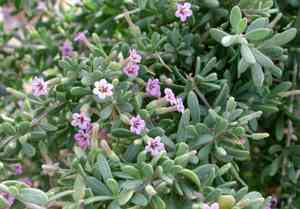
To multiply fremont's desert-thorn, primarily utilize stem sections. Choose semi-woody cuttings at the beginning of the growth period, cutting directly beneath a joint and confirming each possesses a minimum of two leaves. Submerge in rooting stimulant and embed in porous soil. Position in an area receiving filtered sunlight and frequently spray to preserve moisture levels. Relocate rooted sections to a more spacious pot or directly into the ground once the root system is developed.
What Is the Best Time To Propagate Fremont's Desert-thorn?
Propagation Type
Cutting
Propagation Season
Spring,Summer
What Tools Are Used in Fremont's Desert-thorn Propagation?
Pruning Shears
Utilized to obtain healthy cuttings from fremont's desert-thorn. Select a pair with sharp, sanitized blades to ensure clean cuts and minimize plant tissue damage, thereby reducing disease risk.
Rooting Hormone
Applied to the severed ends of fremont's desert-thorn cuttings to encourage root formation. This is crucial for quicker and more effective rooting, especially in species where natural rooting might be slower.
Propagation Tray
Offers a controlled setting for fremont's desert-thorn cuttings to develop roots. Employing a tray with multiple compartments can aid in organizing and managing numerous cuttings efficiently.
Sterile Medium
A lightweight blend such as perlite or vermiculite creates ideal conditions for root development. It guarantees good drainage and aeration, decreasing the occurrence of rot in fremont's desert-thorn cuttings.
Humidity Dome
Maintains elevated humidity levels around fremont's desert-thorn cuttings, which is vital for reducing water stress and preventing the cuttings from drying out before roots emerge.
Heating Mat
Positioned beneath the propagation tray to provide consistent warmth from below. This stimulates root development by maintaining an optimal temperature for rooting.
Spray Bottle
Used to regularly mist fremont's desert-thorn cuttings to maintain the necessary humidity levels. Ensure the mist is fine to prevent over-wetting and potential fungal issues.
Label Markers
Essential for identifying and tracking various fremont's desert-thorn cuttings. Ensures proper record-keeping and assists in monitoring the progress of each cutting effectively.
How to Propagate Fremont's Desert-thorn?
Propagation Type
Moderately Difficult
How to Care for Your Newly Propagated Fremont's Desert-thorn?
How to Care for Your Newly Propagated Fremont's Desert-thorn?
Once the fremont's desert-thorn cuttings have rooted and exhibit new growth, gradually introduce them to outdoor conditions by lowering humidity and increasing light exposure. Transplant them into larger containers or directly into the ground in their preferred spot, ensuring they receive full sun to partial shade. Water the young plants sparingly, allowing the soil to dry between waterings, and shield them from extreme temperatures until they are well-established. Regularly check for pests and diseases and apply a balanced fertilizer to support healthy growth.
Common Mistakes to Avoid When Propagating Fremont's Desert-thorn
Overwatering
This plant is adapted to arid environments, and excessive moisture can lead to root rot and impede propagation.
Using Heavy Soil
Dense, clay-based soils can retain too much moisture and restrict root aeration, negatively impacting root development.
Inadequate Light
Insufficient light can hinder photosynthesis, resulting in weak and leggy growth, thus obstructing successful propagation.
Ignoring Pests
Failure to routinely inspect for pests like aphids or spider mites can lead to infestation, which can harm young plants and reduce propagation success.
Incorrect Cutting Technique
Making improper cuts or damaging the plant during the cutting process can diminish the viability of the propagation material.
Tips For Propagating Fremont's Desert-thorn
Use Well-Draining Soil
Opt for a sandy or cactus mix to ensure proper drainage and prevent root rot.
Water Sparingly
Water the cuttings just enough to keep the soil lightly moist, avoiding excessive watering.
Provide Adequate Light
Ensure that cuttings receive plenty of indirect sunlight to promote healthy growth without causing leaf burn.
Regular Pest Inspection
Frequently check for pests and take prompt action using organic or chemical treatments to maintain plant health.
Sharp, Sterile Tools
Use clean, sharp tools to take cuttings, ensuring they are free from pathogens to increase the success rate.



