How to Transplant Piper's woodrush?
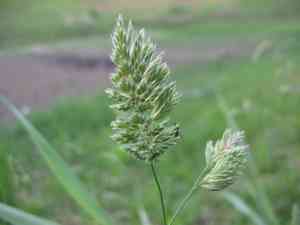
Piper's woodrush flourishes when relocated from the start of summer's heat until its conclusion. Opt for luminous, filtered light and soil that drains effectively. Guarantee negligible root disruption by preserving the initial soil around the roots; this facilitates seamless integration.
What Preparations are Needed Before Transplanting Piper's Woodrush?
What is the Ideal Time for Transplanting Piper's Woodrush?
The best time to move piper's woodrush, a perennial, is from early to late summer. Transplanting then ensures piper's woodrush gets enough warmth and sun to develop strong roots before colder weather. This encourages robust growth and helps the plant thrive in its new spot.
How Much Space Should You Leave Between Piper's Woodrush Plants?
When relocating piper's woodrush, ensure plants are spaced 18-24 inches (45-60 cm) apart. This provides ample room for growth and prevents overcrowding, promoting healthy development.
What is the Best Soil Mix for Piper's Woodrush Transplanting?
For piper's woodrush, prepare a soil blend that drains well. Ideally, use loamy or sandy soil enriched with a foundational fertilizer high in organic matter. Compost or a balanced slow-release fertilizer works well to keep the soil rich and supportive.
Where Should You Relocate Your Piper's Woodrush?
Position piper's woodrush where it will receive partial to full shade. These plants thrive best when shielded from direct, intense sunlight. Morning sun with afternoon shade can also be a good choice.
What Equipments Should You Prepare Before Transplantation Piper's Woodrush?
Gardening Gloves
To shield your hands while handling soil and the plant.
Trowel
To dig small holes and loosen soil around the plant.
Shovel or Spade
For excavating larger holes in the garden bed and around the plant.
Watering Can or Hose
To hydrate the plant before and after its relocation.
Hand Pruners
For trimming any damaged roots or foliage.
Mulch
To help retain soil moisture post-transplanting.
Plant Labels
To mark the new position of the transplanted piper's woodrush plant.
How Do You Remove Piper's Woodrush from the Soil?
How Do You Remove Piper's Woodrush from the Soil?
From Ground: First, water the piper's woodrush plant to moisten the soil. Then, dig a wide trench around the plant using a shovel or spade, keeping the plant's root ball intact. Carefully work the spade beneath the root ball to lift the plant from its original spot.From Pot: Water the piper's woodrush plant thoroughly an hour before moving it. Gently tilt the pot on its side and tap the bottom to loosen the plant. Carefully slide the piper's woodrush plant out, supporting the root ball with your hand.From Seedling Tray: Lightly water the seedlings before transplanting. Use a trowel or your fingers to gently lift each piper's woodrush seedling from the tray, ensuring you support the roots and surrounding soil.
Step-by-Step Guide for Transplanting Piper's Woodrush
Prepare the New Site
Dig a hole in the new spot that is twice as wide and the same depth as the piper's woodrush plant's root ball. Ensure the hole is spacious enough for the roots to spread out comfortably.
Remove the Plant
Carefully extract the piper's woodrush plant from its original location using the appropriate removal method described above.
Inspect the Roots
Examine the roots for any damage and trim off any that appear excessively long, decayed, or broken using hand pruners.
Transplant the Plant
Place the piper's woodrush plant in the center of the hole at the same depth it was initially planted. Backfill the hole with soil, gently pressing down to eliminate any air pockets.
Water the Plant
Thoroughly water the piper's woodrush plant immediately after transplanting, ensuring the soil is uniformly moist.
Apply Mulch
Spread a layer of mulch around the base of the piper's woodrush plant to help retain moisture and regulate soil temperature.
How Do You Care For Piper's Woodrush After Transplanting?
Watering
Keep the soil around the piper's woodrush consistently moist, but not waterlogged, for the initial weeks post-transplant to aid in root establishment.
Monitoring
Regularly check the plant for any signs of transplant shock, such as wilting or yellowing leaves, and address issues promptly.
Mulching
Replenish the mulch layer as needed to ensure it continues to provide moisture retention and suppress weeds.
Pruning
Remove any dead or damaged foliage to encourage healthy new growth and maintain the plant's form.
Troubleshooting Common Issues with Piper's Woodrush Transplantation.
When is the best time to transplant piper's woodrush?
Early summer to late summer is the optimal period for relocating piper's woodrush.
How much space should I leave between plants?
For ideal growth, space piper's woodrush 18-24 inches (45-60 cm) apart.
What type of soil is ideal for piper's woodrush?
Piper's woodrush thrives in well-drained, loamy soil rich in organic matter.
How do I prepare the soil for transplanting piper's woodrush?
Loosen the soil to a depth of 12 inches (30 cm) and incorporate compost.
How should I water piper's woodrush after transplanting?
Water thoroughly after transplanting, ensuring the soil remains moist but not saturated.
What temperature is suitable for transplanting piper's woodrush?
Piper's woodrush prefers transplanting in temperatures between 60-75°F (15-24°C).
How much sunlight does piper's woodrush need?
Piper's woodrush flourishes in partial to full shade conditions.
What should I do if piper's woodrush looks wilted after transplanting?
Provide additional water and avoid direct sunlight to help piper's woodrush recover from transplant shock.
How can I minimize transplant shock for piper's woodrush?
Transplant piper's woodrush in the early morning or late afternoon to reduce stress and water immediately.
Should I prune piper's woodrush after transplanting?
Lightly prune any damaged or dead leaves to encourage new growth and lessen stress on piper's woodrush.



