How to Propagate Piper's woodrush?
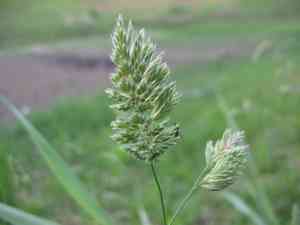
Piper's woodrush is a resilient perennial thriving in damp, low-light settings. To achieve effective propagation, choose the division method. Gently excavate and divide the clusters, making sure every segment retains its root system. Promptly replant into thoroughly prepared earth offering good drainage and rich in organic material. Maintain consistent soil moisture until fresh shoots emerge. Vigilant observation for infestations and ailments guarantees robust development.
When Is the Optimal Time to Propagate Piper's Woodrush?
Propagation Method
Division
Propagation Period
Spring,Autumn
What Implements Are Utilized in Piper's Woodrush Propagation?
Gardening Fork
Employed to carefully extract and separate piper's woodrush from the ground. Its prongs aid in loosening the soil around the root system without causing significant harm.
Sharp Knife or Garden Shears
Crucial for cleanly severing the rhizomes or root masses of piper's woodrush during division. Ensures a precise cut, minimizing disease risk and promoting faster recovery.
Rooting Hormone
Applied to the severed surfaces of divided roots to stimulate new root development and enhance the likelihood of successful establishment.
Watering Can with Fine Rose Head
Delivers gentle irrigation to newly divided plants, ensuring they remain moist without becoming waterlogged.
Plastic Pots or Trays
Used to cultivate the divided sections of piper's woodrush in a controlled setting before relocating them to their permanent spot. This assists the plants in recovering and establishing roots more effectively.
Compost or Potting Mix
Supplies essential nutrients and a suitable growing medium for piper's woodrush post-division. A well-draining mixture is vital to prevent root decay.
Labels
Helpful for tracking various sections of piper's woodrush during propagation, ensuring accurate identification and monitoring of plant development.
Shade Cloth
Offers necessary protection to freshly divided piper's woodrush from direct sunlight, reducing stress and moisture loss.
How to Propagate Piper's Woodrush?
Propagation Type
Easy
How to Nurture Your Newly Propagated Piper's Woodrush?
How to Nurture Your Newly Propagated Piper's Woodrush?
Following propagation, piper's woodrush requires consistent watering to develop robust roots, particularly in the initial weeks. Apply mulch around the base to retain moisture and suppress weeds. Position in an area with partial to full shade and ensure well-drained soil. Monitor for indications of stress or pest issues and address promptly.
Common Errors to Avoid When Propagating Piper's Woodrush
Over-watering
Excessive water can lead to root rot and fungal infections, hindering growth or killing piper's woodrush.
Poor Soil Drainage
Utilizing soil with inadequate drainage can cause water to accumulate around the roots, leading to similar problems as over-watering.
Incorrect Soil pH
Failing to ensure appropriate soil pH can impede nutrient absorption, impacting growth and vitality.
Overcrowding
Planting too many young plants in close proximity can result in competition for resources, leading to weaker specimens.
Improper Cutting Techniques
Using dull or unclean tools can damage plant tissue and introduce pathogens, negatively affecting the plant.
Advice For Propagating Piper's Woodrush
Utilize Well-Draining Soil
Ensure the soil possesses good drainage characteristics to prevent waterlogging and root decay.
Monitor Watering
Maintain a balanced watering schedule, allowing the upper layer of soil to dry out slightly between irrigations.
Check Soil pH
Confirm the soil pH is slightly acidic to neutral, approximately 6.0 to 7.0, to facilitate proper nutrient uptake.
Space Plants Appropriately
Plant young plants with ample room to prevent overcrowding, allowing for sufficient air circulation and resource distribution.
Use Clean, Sharp Tools
Ensure tools are sterilized and sharp to make precise cuts, reducing the risk of introducing diseases.



