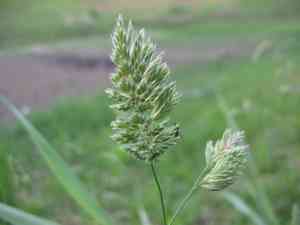
Piper's woodrush (Luzula piperi)
Also known as: Piper's woodrush
Luzula piperi, also known as Piper's woodrush, is a perennial plant in the genus Luzula, part of the rush family Juncaceae. It is indigenous to northwestern North America and regions of eastern Asia.
In This Article
Attributes of Piper's woodrush
Lifespan
Perennial
Plant Type
Grass
Plant Height
15-50 cm
Spread
Not applicable
Leaf Color
Green
Flower Size
1-2 mm
Flower Color
Brownish
Images of Piper's woodrush
Quickly Identify Piper's woodrush
1
Luzula piperi is characterized by its slender, grass-like leaves that are hairy along the margins. The flowers are small, brownish, and arranged in loose clusters. The plant forms dense clumps and can be identified by its tufts of hairy leaves.
Scientific Classification of Piper's woodrush
Phylum
Vascular plants
Class
Monocotyledons
Order
Poales
Family
Rush
Genus
Wood-rush
Species
Piper's woodrush
Planting and Growing of Piper's woodrush
Care Difficulty
Moderate
Watering Schedule
Every 2 days
Sunlight Requirements
Partial sun
Sunshine Duration
6-10 hours
Ideal Temperature
60-75℉
Soil Type
Potting Mix, Peat Mix
Soil pH
6.5-7.5
Fertilizer Type
Balanced
Pruning Season
Spring, Summer
Pruning Area
Branches, Leaves
Pruning Frequency
2 times a year
Repotting Season
Spring
Pot Type
Plastic, Terracotta
 How to Water Piper's woodrush?
Luzula piperi thrives when its soil is consistently moist but never soggy. It's crucial to provide about 150 ml of water each session. The key principle is to ensure the soil feels damp to the touch at about 1 inch below the surface, which helps maintain the plant's hydration needs without over-saturation.
What are the symptoms of an underwatered Piper's woodrush?
›
What should I do if my Piper's woodrush is not getting enough water?
›
What are the symptoms of an overwatered Piper's woodrush?
›
How to save an overwatered Piper's woodrush?
›
 What Are the Sunlight Requirements for Piper's woodrush?
Luzula piperi thrives best in partial sun to full shade. Ensuring this balance of light enhances its growth and maintains healthy, vibrant foliage.
Optimal sun exposure
›
Solution for maintaining ideal light
›
Benefits of ideal lighting
›
 What Is the Ideal Temperature Range for Piper's woodrush?
Luzula piperi thrives best in temperatures ranging from 60°F to 75°F. This range allows the plant to maintain optimal physiological processes, such as photosynthesis and respiration. At these temperatures, the biochemical reactions in the plant are efficient, ensuring healthy growth and development.
 What Soil is Best for Piper's woodrush?
Luzula piperi thrives in well-drained soils that prevent waterlogging. This ensures that the roots receive adequate oxygen, promoting healthy root growth and preventing root rot. Although well-drained, the soil should retain some moisture to support the plant's innate liking for moderate hydration without becoming soggy, crucial for its growth and resilience. The plant benefits from soil that is rich in organic matter, which provides necessary nutrients for robust growth and enhances soil structure and fertility.
 How to Fertilize Piper's woodrush?
Luzula piperi, also known as Piper's woodrush, thrives with moderate fertilization. It's best to use a balanced, all-purpose fertilizer, ensuring the solution is diluted to half the recommended strength to prevent root burn. Typically, a quarter cup of liquid fertilizer per application should suffice.
 How to Prune Piper's woodrush?
To prune Luzula piperi, start by sterilizing your tools to prevent disease. Identify any dead or damaged leaves and remove them carefully with sharp scissors. Focus on thinning out crowded areas to allow sunlight and air circulation, enhancing plant health. Aim to remove about one-third of the old growth to stimulate new growth. Use a sharp pair of scissors or shears to clip off the tips of the leaves. This helps reduce the straggly appearance and encourages denser foliage. Be sure to cut just above a leaf node to avoid unsightly dead ends. Consistent tip cutting will maintain the plant's natural shape.
 How to Propagate Piper's woodrush plant?
1
Collect seeds from mature plants and clean them by removing any attached plant materials. Dry them thoroughly to prevent mold growth during storage and sowing.
2
Sow the seeds evenly on the surface of a moist seed medium in a prepared seed tray. Cover lightly with sieved compost, ensuring that they are not buried too deep to allow light penetration.
3
For division propagation, use a garden fork to carefully lift the plant. Divide the clump into smaller sections ensuring each has roots and shoots, then replant immediately in prepared soil.
 How to Repot Piper's woodrush plant?
1
To determine if Luzula piperi needs repotting, look for roots emerging at the pot’s drainage holes or if the plant appears stunted. These signs indicate that the plant has outgrown its current pot and needs more space to thrive.
2
Select a pot that is 1-2 inches larger in diameter than the current one. This allows ample room for root expansion without excesive space, which can lead to overwatering issues. Ensure the pot has adequate drainage holes to prevent root rot.
3
Opt for well-draining loamy soil to ensure proper aeration and moisture retention. This type of soil reduces waterlogging risks and supports the plant's nutrient uptake, promoting healthier growth for Luzula piperi.
Learn More About Piper's woodrush Diseases
Anthracnose
Bacterial Leaf Spot
Bacterial Soft Rot
Bacterial Wilt
Black Spot
Chemical Injury
Damping-off
Downy Mildew
Drought Stress
Fusarium Wilt
Gray Mold
Leaf Spot
Mosaic
Nutrient Deficiency
Nutrient Toxicity
Powdery Mildew
Root Rot
Root-knot Nematode
Rusts
Sooty Mold
Spider Mites
Temperature Stress
Thrips Damage
White Mold



