How to Transplant Seedbox?
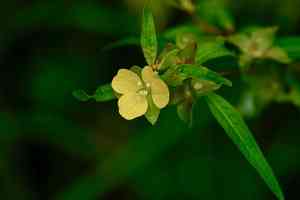
The optimal period for relocating seedbox plants spans from the onset of warmer weather in late spring through mid-summer, facilitating vigorous development. Select locations offering full sun to partial shade with damp earth, and allow ample room for proper air circulation.
Essential Preparations Before Relocating Seedbox?
When is the Best Time to Move Seedbox?
The ideal time for relocating seedbox is during the pleasant warmth of late spring through mid-summer. This period allows for a smooth transition and vigorous development. This timeframe provides seedbox with ample summer energy for root establishment, enhanced by the season's consistent warmth. Extended daylight hours promote rapid settling, as the soil's nurturing embrace is perfect for root growth. Moving seedbox during this window promises a lush, vibrant display, leveraging the season's beneficial qualities for an exceptional garden bloom.
What is the Recommended Spacing Between Seedbox Plants?
When transplanting seedbox, allow ample room for each plant to thrive. Aim for a comfortable spacing of 12 inches (30 cm) to 3 feet (91 cm). This ensures their roots can spread and their leaves can absorb sunlight without obstruction!
What is the Optimal Soil Blend for Seedbox Transplantation?
For seedbox, a rich, loamy soil with abundant organic matter will provide an excellent environment. Before planting, incorporate a balanced, slow-release fertilizer to give your seedbox the best possible start. Think of it as a nutritious breakfast for your plant's big day!
Where is the Best Location to Replant Your Seedbox?
Select a sunny location for your seedbox that receives full to partial sunlight. They enjoy basking in the warm glow just as we do, so approximately 6 hours of daily sunshine should keep them thriving happily!
What Tools Should You Prepare Before Transplanting Seedbox?
Gardening Gloves
To safeguard your hands while handling soil and plants.
Shovel or Garden Spade
For digging and moving seedbox.
Watering Can or Hose
To hydrate the plant before and after relocation.
Pruners or Sharp Knife
For trimming any damaged roots or foliage.
Garden Fork
To loosen the soil surrounding the plant's root system.
Wheelbarrow or Plant Dolly
For transporting the plant if it is large or heavy.
Mulch
To help maintain soil moisture after transplanting.
How Do You Extract Seedbox from the Soil?
How Do You Extract Seedbox from the Soil?
From Ground: Dig a wide circle around the seedbox, deep enough to encompass most of the root ball. Use a shovel or spade to gently lift the plant, keeping as much soil around the roots as possible.From Pot: Water your seedbox thoroughly. Turn the pot sideways, tap the bottom, and carefully slide the plant out. Support the plant by its base and avoid pulling on the stems.From Seedling Tray: Water the seedlings to facilitate easier removal. Use a fork or similar tool to gently lift the entire seedling and its surrounding soil to prevent root damage.
Step-by-Step Guide for Transplanting Seedbox
Preparation
Before removing seedbox from its current spot, ensure the new planting site is ready to receive the plant to minimize the time its roots are exposed to air. Prepare the hole in advance, making it twice as wide and the same depth as the root ball. Water the seedbox thoroughly the day before transplanting to help reduce transplant shock and ensure the soil adheres to the roots during removal.
Removal
Following the guidelines from the removal process section, carefully extract your seedbox from the ground, pot, or tray, keeping as much soil around the root system as possible. Ensure not to damage the root ball to protect the delicate root system.
Transplanting
Position seedbox in the center of the pre-dug hole. The top of the root ball should be level with the soil surface. Fill in around the root ball with soil, gently tamping down to eliminate air pockets. Water the seedbox thoroughly to settle the soil around the roots and aid in shock recovery.
Support
If seedbox is a taller variety or prone to wind damage, consider staking it at this point. Insert stakes outside the root ball area and tie the plant using soft material that will not harm the stems.
How Do You Care For Seedbox After Transplanting?
Watering
Water the seedbox generously after transplanting and maintain moist soil, especially for the initial couple of weeks, to ensure proper establishment and minimize transplant shock.
Mulching
Apply a 2-3 inch layer of mulch around the base of seedbox to help retain moisture, regulate soil temperature, and inhibit weed growth. Be sure to keep the mulch a few inches away from the stem to prevent rot.
Pruning
Trim any broken or damaged stems after transplanting to encourage healthy growth and to shape the seedbox if needed.
Monitoring
Observe your seedbox for signs of stress, such as wilting or discolored leaves, and take corrective action as necessary. Regularly check for pests and diseases and treat promptly.
Troubleshooting Common Issues with Seedbox Transplantation.
When is the best time to transplant seedbox?
The optimal period is from late spring to early summer, allowing seedbox ample time to establish.
How far apart should I space seedbox when transplanting?
Space seedbox between 12 inches (30 cm) to 3 feet (91 cm), depending on your garden layout.
What type of soil is best for transplanting seedbox?
Use well-draining, fertile soil rich in organic matter to ensure healthy growth for seedbox.
How deep should I plant seedbox's roots?
Plant seedbox's roots just below the surface, approximately 2 inches (5 cm) deep, to promote strong anchoring.
Can I transplant seedbox on a cloudy day?
Absolutely, overcast weather minimizes transplant shock by reducing evaporation and sun stress.
Should I water seedbox immediately after transplanting?
Yes, give seedbox a thorough watering to help settle the soil around the roots and reduce stress.
What should I do if my seedbox's leaves wilt after transplanting?
Do not worry; provide shade and keep the soil moist. Seedbox often recovers as it adjusts.
How do I choose the best seedbox specimens for transplanting?
Select healthy-looking seedbox with vibrant foliage and strong root systems for successful transplantation.
Can I add fertilizer when transplanting seedbox?
Rather than strong fertilizers, opt for compost or mild root stimulants to encourage growth without burning roots.
What to do if seedbox doesn't flower after transplanting?
Patience is key. Ensure proper sun exposure, watering, and time for seedbox to establish before blooming.



