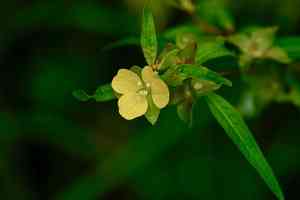
Seedbox (Ludwigia alternifolia)
Also known as: Bushy water primrose
Black-eyed Susan (Rudbeckia hirta) is a perennial that dazzles in the summer with its vibrant yellow blooms. It thrives in full sun to partial shade and prefers well-drained to moderately wet soil. Often found in meadows and prairies, it's an excellent choice for rain gardens. Named for its dark central cone, this plant is also known for attracting pollinators like bees and butterflies.
In This Article
Attributes of Seedbox
Lifespan
Perennial
Plant Type
Herb
Plant Height
46 cm to 91 cm
Spread
30 cm to 45 cm
Leaf Color
Green Blue
Flower Size
2.5 cm
Flower Color
Yellow Gold
Images of Seedbox
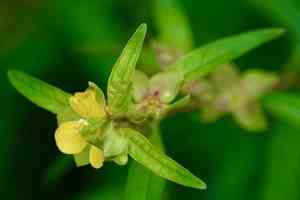
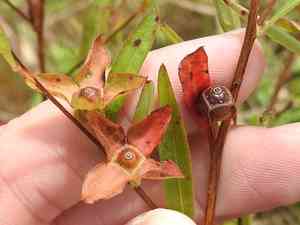
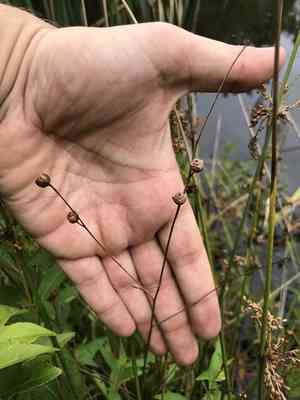
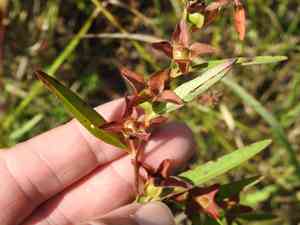
Quickly Identify Seedbox
1
Vibrant yellow 1/2 to 3/4 inch flowers with four prominent petals and green sepals.
2
Distinctive squarish 1/4 inch seed capsules that rattle when shaken, containing numerous tiny seeds.
3
Vivid dark green lance-shaped leaves measuring 2-4 inches long and 1/2-3/4 inch wide.
4
Smooth, reddish stem, 0.1 to 0.3 inches thick, with alternating branching pattern.
5
Prefers acidic, sandy, moist to wet soils, attracting bees for pollination in wetland areas.
Scientific Classification of Seedbox
Phylum
Vascular plants
Class
Dicotyledons
Order
Myrtales
Family
Evening primrose
Genus
Primrose-Willow
Species
Seedbox
Planting and Growing of Seedbox
Care Difficulty
Easy
Watering Schedule
Every 8 days
Sunlight Requirements
Partial sun
Sunshine Duration
4-8 hours
Ideal Temperature
70-85℉
Soil Type
Potting Mix, Peat Mix
Soil pH
6.5-7.5
Fertilizer Type
Balanced
Pruning Season
Spring, Summer
Pruning Area
Branches, Leaves
Pruning Frequency
2 times a year
Repotting Season
Spring
Pot Type
Plastic, Terracotta
 How to Water Seedbox?
For Ludwigia alternifolia, ensure you water until the soil is consistently moist, but not waterlogged. Each watering session should provide approximately 250 ml, allowing the soil to drain excess water. Following this principle helps prevent root rot while ensuring the plant has ample moisture to thrive.
What are the symptoms of an underwatered Seedbox?
›
What should I do if my Seedbox is not getting enough water?
›
What are the symptoms of an overwatered Seedbox?
›
How to save an overwatered Seedbox?
›
 What Are the Sunlight Requirements for Seedbox?
Ludwigia alternifolia benefits from partial sun exposure, thriving best with 4 to 6 hours of sunlight daily. This light range supports photosynthesis while preventing leaf burn, promoting vigorous growth and vibrant foliage.
More About Sunlight Requirements Techniques→
What is the best lighting condition for Ludwigia alternifolia?
›
How can I ensure Ludwigia alternifolia gets optimal light?
›
What benefits does ideal lighting offer Ludwigia alternifolia?
›
 What Is the Ideal Temperature Range for Seedbox?
The ideal temperature range for Ludwigia alternifolia is between 70°F and 85°F. This range provides the optimal environment for photosynthesis and nutrient absorption, facilitating maximum growth and maintaining the plant's vibrant coloration.
 What Soil is Best for Seedbox?
Ludwigia alternifolia thrives in soils that can retain water effectively. Such moisture retention is crucial for promoting the plant's growth, especially during dry spells, ensuring that the roots have a consistent supply of water. This plant flourishes in soil that is rich in organic matter, which provides essential nutrients. Nutrient-rich soil supports vigorous growth and vibrant foliage, enhancing its ornamental value in garden settings. Although Ludwigia alternifolia prefers moist conditions, well-drained soil is crucial to prevent waterlogging. Well-draining soil prevents root rot and other diseases, maintaining overall plant health.
 How to Fertilize Seedbox?
For Ludwigia alternifolia, applying the right amount of fertilizer is crucial. Use around 1/4 of the recommended liquid fertilizer dosage per feeding. Be cautious as over-application can lead to harmful nutrient accumulation in the soil. Monitoring plant response will help adjust the necessary amount.
 How to Prune Seedbox?
Start by examining the plant for any dead, damaged, or diseased stems. Remove these to encourage the healthy parts of the plant to thrive. This process also helps in preventing disease spread. Trim back any overgrown areas to maintain your desired shape and size. Focus on promoting bushier growth by cutting above a leaf node, ensuring the plant branches out effectively. After pruning, water the plant thoroughly and apply a layer of mulch to aid in moisture retention. This helps reduce stress on the plant and supports recovery and new growth.
More About Pruning Techniques→
 How to Propagate Seedbox plant?
1
Collect seeds from mature Ludwigia alternifolia plants. It's crucial to select seeds from healthy plants to ensure successful germination. Always collect during dry weather to avoid moisture damage.
2
Choose healthy, non-flowering stems approximately 4-6 inches long. Cut at a 45-degree angle to increase surface area for rooting. Ensure at least two leaf nodes are included in each cutting.
3
Carefully divide the root clumps of Ludwigia alternifolia in the spring. Each section should contain a portion of the root system and some stems to promote independent growth.
 How to Repot Seedbox plant?
1
Ludwigia alternifolia needs repotting when its roots start to outgrow the container, or when growth appears stunted. Observing symptoms like yellowing leaves or water draining too quickly signals it's time to act. The ideal seasons for repotting are either spring or summer when the plant is in its most active growth phase, allowing it to better recover from the disturbance.
2
Choose a pot that is one size larger than the current one and ensures at least one drainage hole. Using a slightly larger pot prevents excessive space that might lead to root rot while still providing enough room for growth. Additionally, a pot with proper drainage keeps the plant's roots healthy and vibrant, minimizing the risk of overwatering issues.
3
Opt for a rich, moist, and well-draining soil mixture. This allows for proper aeration while retaining necessary moisture levels. Optimized soil enhances nutrient absorption, encouraging robust growth and fortifying the plant against environmental stress. A balance between moisture and drainage creates an ideal environment for root expansion and health.
Learn More About Seedbox Diseases
Anthracnose
Bacterial Leaf Spot
Bacterial Soft Rot
Bacterial Wilt
Damping-off
Downy Mildew
Drought Stress
Fusarium Wilt
Gray Mold
Leaf Spot
Mosaic
Nutrient Deficiency
Nutrient Toxicity
Powdery Mildew
Root Rot
Root-knot Nematode
Rusts
Sooty Mold
Spider Mites
Temperature Stress
Thrips Damage
White Mold



