How to Prune Seedbox?
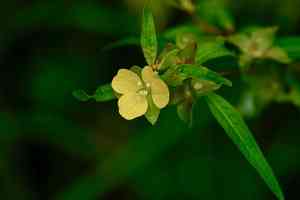
Seedbox, a perennial herb characterized by its cube-shaped seed capsules, flourishes with consistent trimming to encourage development and avert sparse growth. Remove faded blossoms and seed pods to foster denser foliage. The most effective time for pruning is from spring through autumn, coinciding with periods of vigorous growth. Refrain from making substantial cuts in late autumn to protect against harm during winter. Trimming improves the plant's well-being by boosting air movement and lowering the likelihood of illness.
What Are the Benefits of Pruning Seedbox?
What Are the Benefits of Pruning Seedbox?
Trimming seedbox can promote abundant flowering, revitalize overall development, and maintain a desired shape, ensuring both vigor and an attractive structure.
What Is the Best Time for Pruning Seedbox?
What Is the Best Time for Pruning Seedbox?
Trimming seedbox from late winter to early spring, prior to new growth emerging, is advantageous for eliminating any dead or compromised branches and for shaping the plant. This timing allows seedbox to recover swiftly and direct its energy into generating new growth once the growing season commences. Pruning in late summer is also beneficial as it coincides with the conclusion of the flowering cycle. This aids the plant in reallocating its resources to root and shoot development, rather than seed production, and ensures the plant remains robust and well-structured. It is crucial to avoid pruning seedbox in fall because any new growth stimulated by the pruning process might not harden off before the frosts, potentially harming the plant.
What Tools Do I Need to Prune Seedbox?
Hand Pruners
Perfect for making precise cuts on seedbox, enabling gardeners to shape the plant and remove dead or unwanted growth without causing excessive stem damage.
Pruning Shears
Useful for trimming softer stems and foliage of seedbox, providing a clean cut that encourages healthy regrowth.
Gloves
Essential for safeguarding the gardener's hands from thorns and sharp edges while pruning seedbox, ensuring safety during the task.
How to Prune Seedbox
Disinfect Tools
Before you start pruning seedbox, sanitize your pruning shears or scissors to prevent disease transmission. You can use a solution of 1 part bleach to 9 parts water or rubbing alcohol to disinfect the blades.
Remove Diseased Leaves
Carefully inspect seedbox for any indications of disease, such as discoloration or spots on the leaves. Use your sterilized pruning shears to cut away any diseased leaves. Make your cut where the leaf stem meets the branch, taking care not to harm the healthy tissue.
Trim Withered Leaves
Locate any withered or dead leaves on seedbox. Gently remove these leaves by either snipping them off at the base of the leaf stem or by carefully pulling them away if they detach easily. This helps to improve air circulation and focus the plant's energy on healthy growth.
Deadhead Flowers
After seedbox's flowering period, you will notice spent flowers. Deadheading, or removing these faded blooms, encourages new flowers and prevents the plant from expending energy on seed production. Snip the stem of the withered flower just above the first set of healthy leaves.
Cleanup
After pruning, clear away the fallen debris around seedbox. This not only keeps the area tidy but also prevents the spread of any diseases or pests that might be present on the removed plant material.
Common Pruning Mistakes with Seedbox
Overpruning
Removing too much growth during a single pruning session can stress seedbox, potentially leading to reduced vigor and fewer blooms.
Improper Cut Locations
Making cuts too far from a bud or node can result in dead stubs, while cutting too close can damage the bud. Both mistakes can lead to disease and poor growth.
Using Dull Tools
Pruning seedbox with dull tools can cause uneven or jagged cuts that make it difficult for the plant to heal properly, increasing susceptibility to disease.
Neglecting Disinfection
Failing to disinfect pruning tools between cuts can spread disease from one part of seedbox to another, or even between different plants.
Pruning Healthy Growth
Removing healthy, green stems indiscriminately can limit seedbox's potential for flowering and can reduce the overall health of the plant.
Ignoring Plant Structure
Pruning without considering the natural form and growth pattern of seedbox can lead to a less aesthetically pleasing shape and reduced plant health.
Common Pruning Tips for Seedbox
Selective Pruning
Focus on removing only the damaged, diseased, or dead stems to maintain the health and shape of seedbox while encouraging new growth and flower production.
Proper Cut Angle
Make cuts at a 45-degree angle just above a leaf node or bud to promote healing and direct new growth outward, improving air circulation and shape.
Clean Tools
Ensure pruning tools are clean and sharp before starting to help make precise cuts that seedbox can heal from quickly, preventing disease.
Tool Disinfection
Disinfect tools with a solution of bleach or alcohol before and after pruning seedbox to minimize the risk of spreading pathogens.
Consider Plant Form
Prune with an understanding of seedbox's natural growth habit for a result that is both aesthetically pleasing and conducive to healthy growth patterns.
Judicious Pruning
Prune sparingly, focusing on strategic cuts that stimulate flowering and growth without removing more than a third of the plant's overall volume in one pruning session.



