How to Transplant Black-berried honeysuckle?
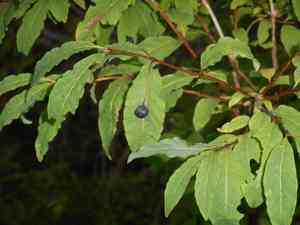
Black-berried honeysuckle flourishes optimally when relocated in the mild temperatures of late spring to early summer, or during the cool period of mid to late fall. Selecting locations that offer partial shade and adequately draining soil guarantees the successful establishment of black-berried honeysuckle. A gentle caution – handle the root system with care to foster vigorous development.
What Preparations are Needed Before Transplanting Black-berried Honeysuckle?
What is the Ideal Time for Transplanting Black-berried Honeysuckle?
The best time to move black-berried honeysuckle is during the mild conditions of late spring to early summer, or from mid-fall to late fall. These periods offer moderate temperatures and suitable soil, allowing new roots to establish with minimal stress. These prime windows provide cooler, yet stable weather, easing heat, which promotes healthy root development without the harsh extremes of summer heat or winter cold. Choosing this timing not only supports root growth but also gives your black-berried honeysuckle the strength to flourish in future seasons, making your gardening efforts both rewarding and enjoyable.
How Much Space Should You Leave Between Black-berried Honeysuckle Plants?
Greetings! Before placing your black-berried honeysuckle in its new spot, let's ensure they have ample room to grow. Aim for a comfortable distance of about 5-6 feet (1.5-1.8 meters) between each plant. This provides them with sufficient space to spread and thrive!
What is the Best Soil Mix for Black-berried Honeysuckle Transplanting?
For your black-berried honeysuckle, they will prefer well-draining soil enriched with organic material. A small amount of balanced, slow-release fertilizer will give them an excellent start. Consider it a welcoming treat for them!
Where Should You Relocate Your Black-berried Honeysuckle?
Your black-berried honeysuckle will appreciate a location where sunlight gently touches its leaves. A spot with partial shade or filtered sunlight would be perfect. It's like selecting the ideal sunny nook for a relaxing read!
What Equipments Should You Prepare Before Transplantation Black-berried Honeysuckle?
Gardening Gloves
To safeguard your hands while handling soil and plants.
Shovel or Spade
For excavating the plant and preparing its new site.
Gardening Fork
To loosen the earth around the root system.
Watering Can or Hose
To hydrate the plant before and after its relocation.
Pruning Shears
To trim any damaged roots or branches.
Wheelbarrow or Garden Cart
To move the plant to its new position.
Mulch
To maintain soil moisture and inhibit weed growth around the plant post-transplant.
Rooting Hormone (Optional)
To stimulate root development in the new location.
How Do You Remove Black-berried Honeysuckle from the Soil?
How Do You Remove Black-berried Honeysuckle from the Soil?
From Ground: First, hydrate the black-berried honeysuckle plant to moisten the soil. Dig a wide trench around the plant using a shovel or spade, ensuring a substantial portion of the root ball remains intact. Work the spade beneath the root ball to carefully lift the black-berried honeysuckle from its original spot.From Pot: Start by watering the black-berried honeysuckle thoroughly to facilitate easier removal of the root ball. Tilt the pot sideways and gently tap it to loosen the soil and roots. Carefully ease the root ball out of the pot, taking care to support the plant's base.From Seedling Tray: Water the seedlings well before moving them. Use a gardening fork or small tool to lift out individual black-berried honeysuckle seedlings, ensuring as much of the root system and surrounding soil remains intact as possible.
Step-by-Step Guide for Transplanting Black-berried Honeysuckle
Preparing the New Hole
Excavate a hole that is twice as wide and the same depth as the black-berried honeysuckle's root ball. Break apart any large soil clumps around the hole.
Placing the Plant
Position the black-berried honeysuckle in the center of the hole, gently spreading its roots. The plant should be at the same soil level as it was originally.
Filling the Hole
Carefully backfill the hole with soil around the root ball. Press lightly to remove any air pockets but avoid compacting the soil too much.
Stabilizing the Plant
Ensure that black-berried honeysuckle is secure in its new spot by gently patting the soil and adding supports if needed.
Initial Watering
Water the black-berried honeysuckle deeply to settle the soil and provide moisture for the roots. If you've used a rooting hormone, follow the product's watering instructions.
Applying Mulch
Spread a 2 to 3-inch layer of mulch around the base of black-berried honeysuckle, keeping it a couple of inches away from the stem to prevent rot.
How Do You Care For Black-berried Honeysuckle After Transplanting?
Watering
Water the black-berried honeysuckle consistently to keep the soil moist, especially during dry periods.
Support
Inspect any stakes or supports added during transplanting and adjust them as the black-berried honeysuckle grows.
Pruning
Remove any dead or damaged branches to encourage healthy growth of black-berried honeysuckle.
Monitoring
Watch for signs of stress, such as wilting or discolored leaves, and address them promptly.
Troubleshooting Common Issues with Black-berried Honeysuckle Transplantation.
When's the best time to transplant black-berried honeysuckle for optimal growth?
Move black-berried honeysuckle during the milder temperatures of late spring or the cooler days of mid-fall.
How much space does black-berried honeysuckle require when transplanting?
Aim for a generous space of 5-6 feet (1.5-1.8 meters) between plants to ensure proper development.
Why is my black-berried honeysuckle wilting after transplanting?
Wilting may be due to transplant shock. Ensure sufficient water and avoid direct sun for a few days.
How deep should the hole be for transplanting black-berried honeysuckle?
Dig a hole as deep as the root ball and twice as wide to allow roots to spread.
Can I transplant black-berried honeysuckle during summer or winter?
It's best to avoid extreme weather. Late spring, early summer, and mid to late fall are ideal periods.
How should I water black-berried honeysuckle after transplanting?
Water thoroughly after planting, then maintain moist soil without overwatering for the initial weeks.
What soil conditions favor black-berried honeysuckle after transplanting?
Well-draining soil rich in organic matter will help black-berried honeysuckle thrive after moving to its new location.
How do I handle root-bound black-berried honeysuckle during transplanting?
Carefully separate the roots or make vertical cuts if densely root-bound before planting.
Should I fertilize black-berried honeysuckle right after transplanting?
Refrain from fertilizing until new growth appears, indicating the plant is established.
My black-berried honeysuckle looks stressed post-transplant, what could be wrong?
Stress is common; ensure proper lighting, watering, and avoid disturbing the roots to help it settle.



